




Muong Ang district in Vietnam’s northwestern Dien Bien province is working to develop a more sustainable coffee industry by improving production and attracting investment in processing. The area has more than 2,100 hectares of coffee plantations, making it the province’s largest concentrated coffee-growing region. Local authorities want to increase the value of the crop by helping farmers and businesses build stronger links throughout the production and supply chain.
Coffee has become an important agricultural product for the district, providing income for farming households and supporting local economic activity. However, increasing the amount of coffee grown is not the only goal. Local officials are also seeking ways to improve quality, develop processing capacity and ensure that farmers receive greater value from their harvests. These changes could help the district compete more effectively in wider markets.
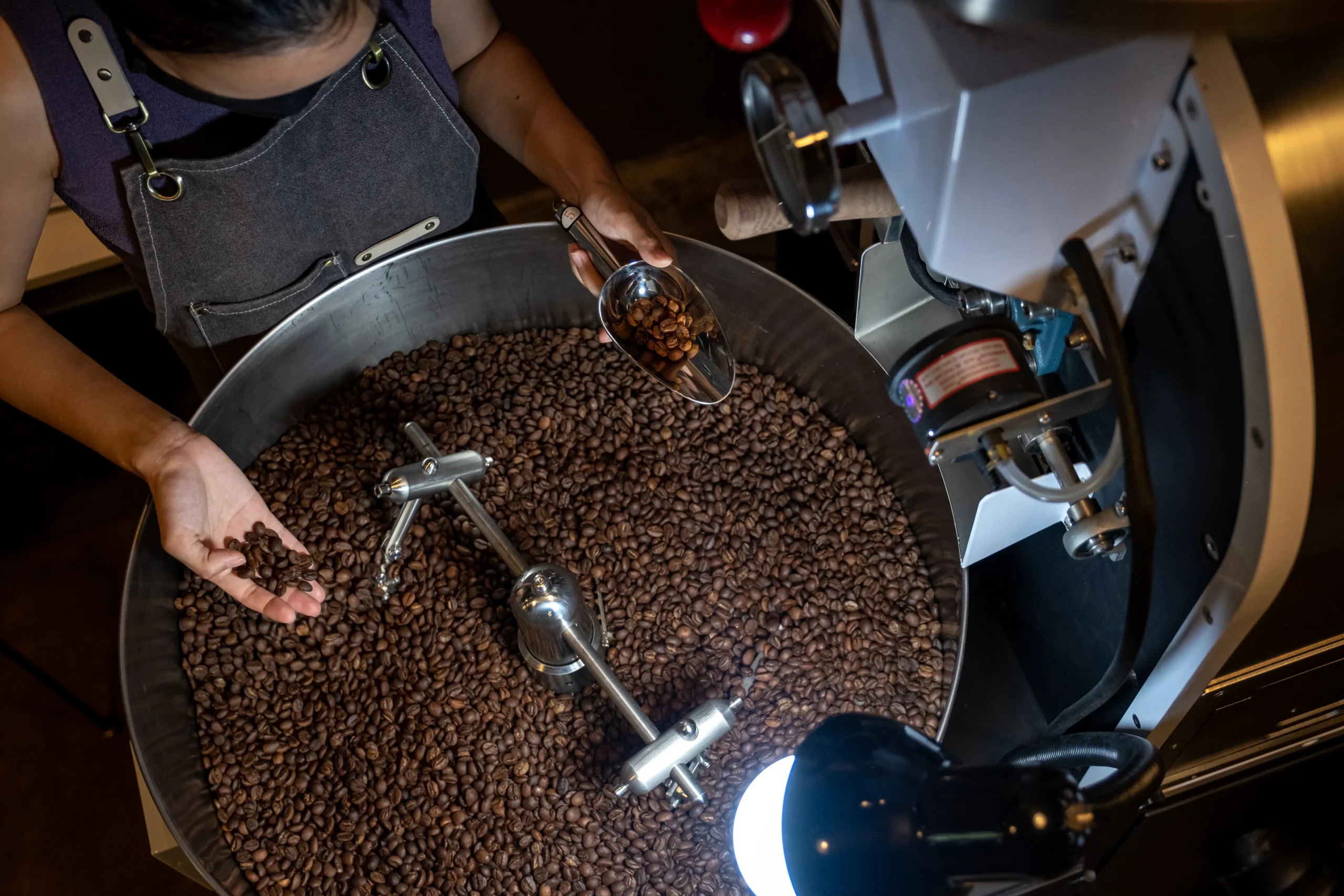
One of the main priorities is attracting investment in deeper processing. Instead of selling mainly unprocessed agricultural products, local producers can potentially earn more by developing products that have undergone additional processing. This approach can also create employment opportunities and encourage businesses to invest in equipment, storage and production facilities. A stronger processing sector could make the local coffee industry less dependent on selling raw beans.
Authorities are also promoting closer cooperation between coffee growers and businesses. Stronger links can help farmers gain access to technical support, better production methods and more reliable buyers. Businesses, in turn, can work more closely with growers to improve product quality and maintain a stable supply. Building these relationships is important for creating a production system that can meet market requirements over the long term.
Muong Ang’s development strategy reflects a wider effort in Vietnam to increase the value of agricultural products through quality improvements and better market connections. The district’s large coffee-growing area provides a strong foundation, but sustainable growth will depend on investment, farming practices and cooperation across the supply chain. If the plans succeed, coffee could become an even more important source of income and economic development for the locality.
