




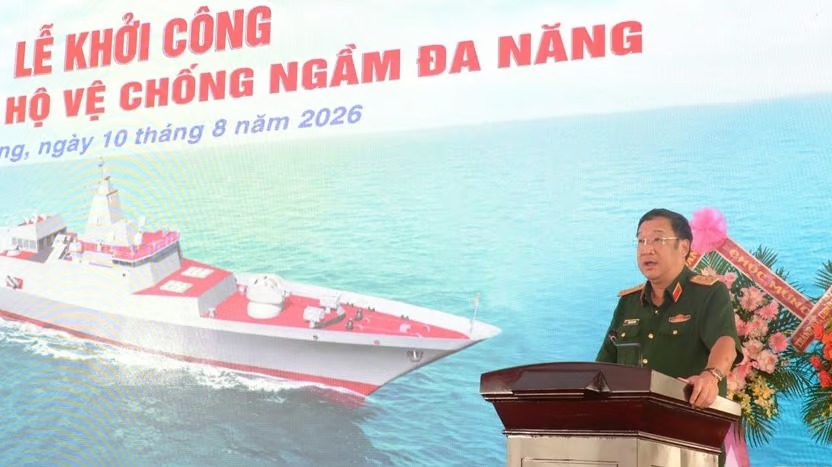
Vietnam has started work on its biggest warship to date. State officials gathered in Da Nang on August 10 to celebrate the steel-cutting event. The new multipurpose vessel marks a huge leap forward for local military shipyards.
Engineers from the country designed the full warship plan. Local units will also build or assemble most weapons systems and electronics on site. Technology groups like Viettel will work closely with naval teams on essential sensor tools.
This step shifts the country away from buying main arms from old foreign partners. For decades, state defense teams bought key platforms from foreign suppliers. About fifteen years ago, the navy added Russian Gepard 3.9 class frigates. Those ships measure 102 meters long and weigh around 2,000 tons. The military also bought Kilo-class submarines to guard its sea zones.
Earlier local warship efforts centered on smaller patrol craft and quick missile boats. The new project gives local yards a chance to construct much larger hulls. Shipbuilders aim to finish the first warship in 36 months.
Defense analysts estimate the new vessel will weigh between 2,000 and 3,000 tons. The design will likely feature modern active electronic radar systems. It will also carry strong air defense gear and anti-ship missile launchers. The warship will handle general sea tasks and track submarines.
Song Thu Corporation is in charge of building the ship. The firm is a top military shipbuilder with decades of practical work. Military leaders trust the yard to deliver high quality results on schedule.
Senior Lieutenant General Pham Hoai Nam gave a speech at the event. He said the project helps build a defense sector that relies on itself. He urged all build teams to stick to strict quality rules. He also stressed the need for good teamwork between naval forces and technology shops.
The nation already has strong commercial yards that build cargo and trading ships. Defense planners want to use those industrial skills for military builds. Joining civilian and military ship skills creates a strong dual-use base.
The naval push comes as regional sea disputes continue to grow. Neighboring states face tense situations in nearby waters. China continues to expand its reach and presence in the area. Modernizing the fleet helps Vietnam protect its coastal interests and keep regional peace.
Building complex warships requires advanced engineering skills. Modern ships need quiet engines to track targets without giving away their position. Teams must link sonar tools, air sensors, and combat computers into one solid network.
Successful production will prove that local shipyards can complete high-level defense tasks. The country hopes to make more of its own defense hardware over time. That shift reduces overall costs and cuts dependence on foreign supply chains.
This project sets a new milestone for the domestic naval sector. Local workers will gain valuable skills throughout the three-year construction cycle. Strong progress will boost national defense confidence across the entire region.
The state plans to keep modernizing its armed forces in the coming years. Reliable local production forms the main pillar of that long-term security plan.
