




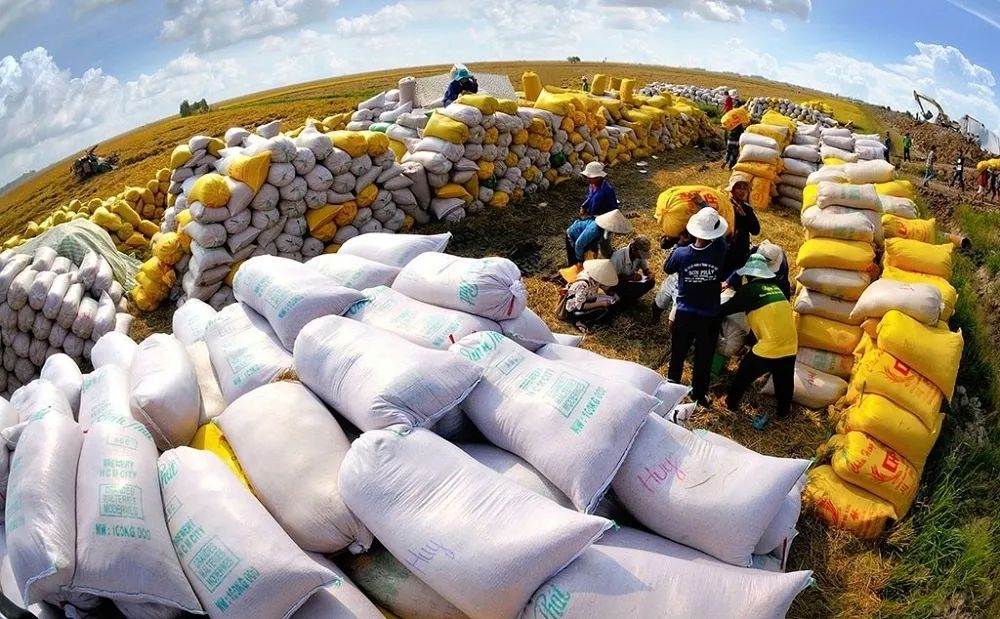
Vietnam exported an estimated six point zero three million tonnes of rice worth nearly two point nine one billion dollars during the first eight months of this year, marking a decline of five percent in volume and ten point seven percent in value compared with the same period last year. The figures, released by the Ministry of Agriculture and Environment, highlight ongoing pressure on one of the country’s most important agricultural export sectors even as some encouraging signs have begun to emerge in recent months.
The drop in export value has been driven primarily by weaker average prices throughout much of the year rather than a collapse in shipped volume. For the first eight months combined, the average export price stood at four hundred eighty one dollars and fifty cents per tonne, down five point nine percent from the same period last year. Lower prices reflect broader pressure across global rice markets, where increased supply from major producing nations has weighed on prices throughout much of the year.
Despite the overall decline, rice export prices have shown clear signs of recovery since July, offering a more encouraging trend heading into the final months of the year. The average export price in July climbed to five hundred eleven dollars per tonne, up five point eight percent compared with the same month last year, marking the first year over year price increase recorded at any point during 2026. Officials say if this recovery holds through the remainder of the year, it could help meaningfully improve overall export turnover during the traditionally strong final quarter.
Based on current trends, the Ministry of Agriculture and Environment has forecast full year rice export value to reach approximately three point nine four billion dollars, representing a decline of about four percent compared with 2025. While the forecast still points to a down year overall, the pace of decline has narrowed considerably from where earlier year figures suggested, thanks largely to the pricing recovery observed since midsummer.
Rice remains one of Vietnam’s most significant agricultural exports, with production concentrated heavily in the Mekong Delta region, which continues to serve as the country’s primary rice growing area. The sector plays an outsized role in rural livelihoods across southern Vietnam, where millions of farming households depend directly or indirectly on rice cultivation and the broader export supply chain that moves grain from paddy fields to international markets.
Industry analysts point to several factors behind the improving price trend, including stronger demand signals from several key importing markets alongside tighter global supply conditions compared to earlier in the year. The Philippines has continued to serve as Vietnam’s largest rice export market, accounting for a substantial share of total export value, followed by other major markets including China and various African nations that rely heavily on imported rice to meet domestic food needs.
Beyond rice, Vietnamese agricultural officials also reported positive expectations for coffee exports through the remainder of the year, citing improved supply conditions alongside steady global demand as supportive factors. The broader agricultural export sector continues to play a central role in Vietnam’s overall trade performance, even as individual commodities like rice navigate their own specific market pressures and pricing cycles throughout the year.
As the final months of 2026 approach, attention within Vietnam’s agricultural sector will focus closely on whether the pricing recovery seen since July can sustain itself through the critical year end shipping period, potentially helping close some of the gap left by weaker performance during the earlier months of the year.
