




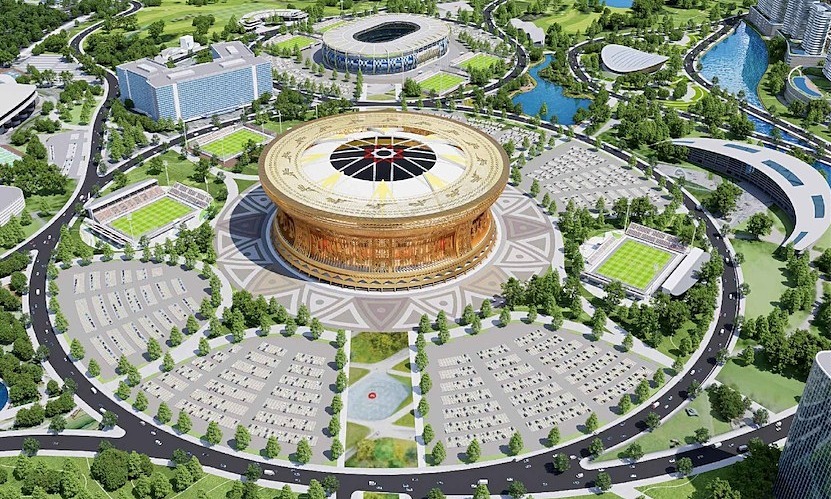
The Hanoi sports city plan has cleared a major approval stage, marking one of the most ambitious urban development projects in Vietnam’s history. City authorities have given the green light for a vast Olympic-scale sports and urban complex, stretching across more than nine thousand hectares in the southern part of the capital. The project carries a price tag of around thirty-eight billion dollars, making it one of the largest developments planned in Southeast Asia in recent years.
Officials say the complex will include modern stadiums, training facilities, and residential areas designed to support both athletes and everyday residents. The plan reflects Hanoi’s growing ambition to become a stronger hub for major sporting events, while also addressing the city’s rising need for housing and infrastructure as its population continues to expand rapidly. City planners hope the project will attract both domestic investment and international interest over the coming years.
The scale of the project has drawn comparisons to major sporting developments seen in other fast-growing Asian cities. Analysts say Vietnam’s economy has grown steadily in recent years, giving the government more confidence to invest in large infrastructure projects that can boost long-term growth. A project of this size is expected to create thousands of jobs during construction, along with additional opportunities once the complex becomes fully operational.
Alongside the sports city announcement, Hanoi has also been active in other major infrastructure efforts this week. City leaders inspected progress on new urban railway and school construction projects, part of a broader push to modernize transport and education facilities ahead of the new academic year. Officials have urged contractors to stay on schedule, stressing the importance of timely delivery for projects that directly affect daily life for residents.
The southern airport hub in Dong Nai Province has also seen fresh progress, with authorities aiming to complete its passenger terminal by next year. This project is seen as another key piece of Vietnam’s wider infrastructure strategy, designed to support growing air travel demand as the country attracts more visitors and international business each year. Officials say faster, more efficient transport links will help support long-term economic goals.
Economic experts note that large-scale projects like the new sports city carry both opportunity and risk. While such developments can boost growth and international visibility, they also require careful financial planning to avoid unnecessary strain on public budgets. Vietnamese officials have said they are working closely with private partners to help fund the project, aiming to reduce the direct burden on state finances while still delivering a world-class facility.
As construction plans move forward, Hanoi’s leaders remain confident that the sports city will become a symbol of the capital’s modern ambitions. Local officials have expressed hope that the project will not only support sports and recreation but also drive wider economic activity in the surrounding area. With work expected to continue over the coming years, the development is likely to remain one of the most closely watched infrastructure stories in Vietnam through the rest of this decade.
