




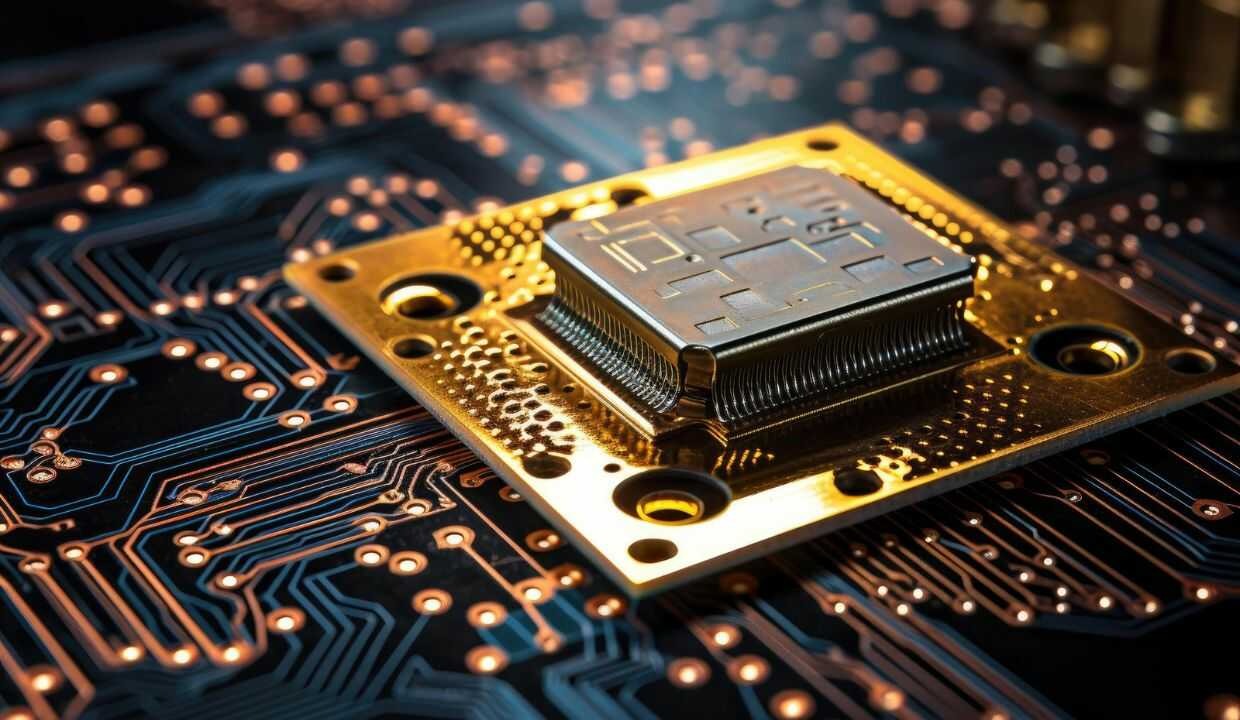
Vietnam is paying increasing attention to the rapid growth of the global artificial intelligence chip market as demand for advanced processors continues to rise. A September 27 report highlighted estimates that the global AI chip market could reach about $860 billion by 2030. The growth is being driven by generative AI, new AI services and rising demand for specialised semiconductor components. AI chips are specialised processors designed to handle the large amounts of computing required by modern artificial intelligence systems. They are used in data centres, cloud services, computers and other devices that run AI applications.
The growth of generative AI has increased demand for these processors. AI systems that create text, images, video and other content require significant computing power, particularly during training and large-scale use. The market is therefore expanding as technology companies build larger AI systems, while more powerful processors are needed to handle the growing amount of data used by these systems.
Vietnam has a growing interest in semiconductor development as the country works to increase its role in the global technology supply chain and develop more specialised technical skills. For Hanoi, semiconductor technology is particularly relevant because the capital is home to universities, research institutions and technology companies. These organisations can contribute to education, research and workforce development while helping create a stronger base for advanced technology industries.
The AI chip market also creates opportunities for Vietnamese engineers and researchers. Semiconductor development requires specialists in electronics, computer science, materials, manufacturing and software, making training in these areas an important part of developing a domestic technology sector. Vietnam has been expanding education and cooperation programmes related to semiconductors and advanced technology, which could help build the skills needed for future growth.
The global market estimate also shows how closely AI development is linked with hardware. Artificial intelligence is often discussed mainly as software, but large AI systems cannot operate without powerful processors and supporting infrastructure. Data centres require chips, memory, electricity and cooling systems, and as AI services expand, demand for all of these areas is expected to increase. This connection between software and hardware is making semiconductor technology increasingly important to the wider digital economy.
The rapid growth of the market also creates challenges for countries seeking to develop their semiconductor industries. Semiconductor manufacturing is expensive and technically difficult, and companies need large investments, advanced equipment and highly trained workers. Vietnam may therefore focus on areas where it can develop specialised strengths rather than attempting to build every part of the semiconductor supply chain at once. Research and development can help the country build knowledge in areas such as chip design, testing and specialised applications, while partnerships with international technology companies and research institutions can support skills development.
AI chips are important not only for large technology companies but also for industries that use artificial intelligence in daily operations. Manufacturing, finance, healthcare, transport and telecommunications can all require AI computing power. Vietnam’s expanding digital economy could therefore create domestic demand for advanced computing technology, while businesses that adopt AI may need access to efficient and affordable hardware.
The market’s projected growth to hundreds of billions of dollars also shows why governments are paying close attention to semiconductor policy. Countries around the world are competing to attract investment, develop technical skills and secure technology supply chains. For Vietnam, the opportunity is connected to its wider ambition to move toward higher-value technology industries. Semiconductor and AI development can support that transition if the country can build the required workforce and infrastructure.
The September 27 report does not mean that Vietnam will capture a specific share of the global AI chip market. Instead, it highlights the scale of the opportunity created by rapid global demand. Hanoi’s universities and technology institutions can play a role by developing engineers and researchers who understand both AI and semiconductor systems. The coming years are likely to see continued investment in AI computing as businesses and governments use artificial intelligence across more sectors.
Vietnam’s interest in the field therefore comes at a time when the global technology industry is changing quickly. The projected expansion of the AI chip market shows that hardware will remain a central part of the AI economy. For Hanoi and Vietnam, the challenge will be turning that global growth into practical opportunities through education, research, investment and technology cooperation.
