




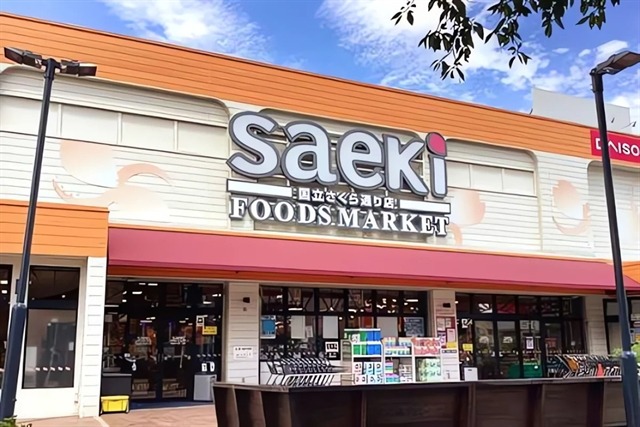
Japanese retailer Saeki is preparing to enter Vietnam with plans to open as many as 100 small-format supermarkets, creating a new development in the country’s rapidly changing retail market. The company plans to target middle-class consumers with smaller stores designed for convenient shopping. The expansion is expected to focus on urban areas where demand for modern retail services is increasing.
Vietnam has experienced major changes in its consumer market as incomes rise and more people move into cities. Traditional markets remain important, but supermarkets and convenience stores have expanded rapidly, and international retailers have taken notice of that change. Japanese companies have been active in Vietnam for many years, particularly in manufacturing, finance and retail. Saeki’s planned expansion adds another example of Japanese business interest in the Vietnamese consumer economy.
The company plans to develop small-format stores rather than relying only on large supermarkets. Smaller shops can be placed closer to residential areas and can focus on daily products. This model has become common in many Asian markets because customers often prefer quick shopping trips near their homes or workplaces. Vietnam’s urban population provides a large potential market for such stores, particularly in Hanoi, Ho Chi Minh City and other major urban centers that have experienced rapid development over the past decade.
Middle-class consumers are also increasingly interested in packaged food, household products and imported goods. Japanese retailers have a reputation for emphasizing product quality and customer service, and Saeki’s expansion will add another competitor to Vietnam’s growing modern retail sector. Local companies already operate large supermarket and convenience-store networks, while other international businesses have also entered the market.
Competition can encourage retailers to improve prices, product selection and customer service. For consumers, the arrival of another international retailer could increase shopping choices, while suppliers may gain opportunities to sell products through a new distribution network. Vietnamese agricultural producers could also benefit if the company sources food products locally. Modern retailers often require suppliers to meet specific standards for packaging, safety and quality, which can encourage improvements in local supply chains.
The expansion could therefore affect more than retail stores. It may also influence logistics, food processing and agricultural production. Vietnam has been working to strengthen its domestic supply chains as part of its wider economic development strategy, while foreign retailers can contribute through investment, technology and management experience. The planned 100-store network would represent a significant commitment, but building such a network will require careful planning.
The company will need suitable locations, reliable suppliers and an efficient distribution system. Competition in Vietnam’s retail sector is already strong, particularly in major cities, where consumers have many options, including traditional markets, convenience stores, supermarkets and online shopping platforms. Saeki will therefore need to establish a clear position in the market and respond to changing consumer habits.
Online shopping is another challenge. Vietnam has experienced rapid growth in e-commerce, with consumers increasingly ordering food and household products online. Physical stores can respond by offering convenient locations and combining in-store services with digital ordering. Saeki’s focus on small-format stores may help it compete in that environment by placing stores closer to consumers and making everyday shopping more convenient.
The expansion also reflects broader confidence in Vietnam’s consumer economy. Foreign companies are attracted not only by manufacturing opportunities but also by the country’s growing domestic market. Vietnam has a population of more than 100 million people, giving retailers a large potential customer base. Economic growth and rising incomes can increase spending on consumer goods, while the government has also promoted private investment and modern retail infrastructure.
For Japan, Vietnam remains an important economic partner in Southeast Asia. Japanese businesses have invested heavily in Vietnamese manufacturing and infrastructure, and retail expansion adds another layer to that relationship. Saeki’s plan to open 100 stores will now be watched as the company develops its market entry strategy. The first stores will provide an early test of consumer demand and the company’s business model, while successful expansion could lead to further investment.
For Vietnam, the arrival of another Japanese retailer brings potential investment, jobs and stronger competition in the consumer market. The September 23 report therefore highlights the continued growth of Vietnam’s retail sector and the increasing interest of Japanese companies in the country’s domestic consumers.
