




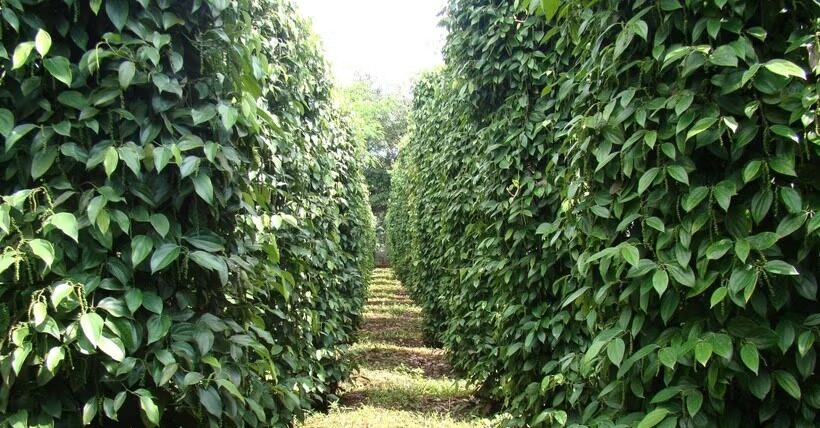
Vietnam’s pepper exports reached 1.32 billion US dollars by September 15, showing continued growth for one of the country’s important agricultural export industries. Vietnam exported 202,414 tonnes of pepper during the period, representing increases of 15.2 percent in volume and 10.3 percent in value compared with the same period last year. The figures were reported by VietnamPlus in an article published at 00:40 on Friday, October 2.
The United States remained Vietnam’s largest pepper export market during the period. American buyers purchased 47,254 tonnes, equal to 23.5 percent of Vietnam’s total exports. China followed with 22,620 tonnes, while the United Arab Emirates purchased 13,486 tonnes. The figures show that Vietnam’s pepper industry continues to depend on a mix of major international markets.
Exports were also strong during the first half of September. Vietnam shipped 10,915 tonnes of pepper worth about 70 million dollars during that period alone. At the same time, the country imported 959 tonnes worth 5.3 million dollars. Total imports reached 47,961 tonnes by September 15, up about 35 percent from a year earlier.
The growth in exports has come while domestic production faces challenges. Vietnam is one of the world’s major pepper-producing countries, but production has been affected by weather and lower yields. Other producing countries, including Indonesia and India, have also faced production pressures. Global supplies are therefore tighter than earlier expectations.
Despite strong export demand, domestic pepper prices have not recovered as much as producers might have expected. Vietnam’s pepper prices in major growing areas stood between 136,000 and 140,000 Vietnamese dong per kilogram on September 29. That represented an increase from the end of August but remained below prices recorded a year earlier.
Market uncertainty is one reason for the difference between strong exports and domestic price conditions. Imports have added to supply, while international trade conditions have become more difficult because of changing tariff policies and geopolitical tensions. Businesses must therefore manage both strong foreign demand and unpredictable market conditions.
Quality requirements are also becoming more important. International markets are increasing controls on food products, including spices. European regulators are moving toward more detailed assessment of the combined risks of multiple pesticide substances. Vietnamese exporters therefore need stronger systems for checking products and tracing where raw materials come from.
Traceability is becoming a major issue for agricultural exporters. Buyers want to know where products were grown, how they were produced and whether they meet safety standards. Businesses that can provide clear records may have an advantage in international markets. The pepper industry is therefore being encouraged to improve growing-area standards and create more transparent supply chains.
The Vietnam Pepper and Spice Association expects the global pepper market to remain relatively tight. Carry-over stocks from 2025 into 2026 are estimated at about 170,000 tonnes globally, including nearly 60,000 tonnes in Vietnam. Lower supply combined with recovering demand from the United States and China is helping keep international prices relatively firm.
However, exporters continue to face costs linked to logistics, tariffs and technical requirements. Businesses need to improve productivity and product quality if they want to maintain growth. Standardising growing areas and creating reliable databases can also help the industry respond more quickly to changes in international markets.
The strong export figures provide a positive sign for Vietnam’s agricultural trade. The sector has already exceeded one billion dollars in export value and is continuing to grow in volume. But the figures also show that growth alone does not remove the industry’s challenges.
For Vietnam’s pepper producers and exporters, the final months of 2026 will be important. Maintaining quality, improving traceability and responding to changing international demand will determine whether the sector can build on its strong export performance. The October 2 figures show that Vietnam remains a major force in the global pepper market while facing increasing pressure to become more efficient and transparent.
