




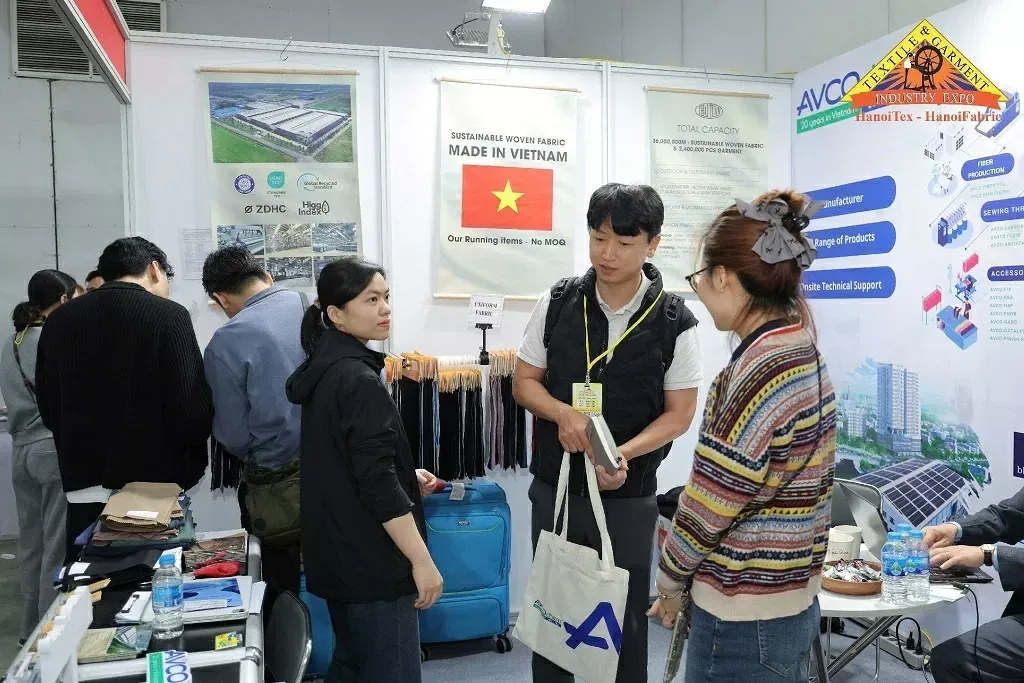
Hanoi is preparing to host HanoiTex and HanoiFabric 2026, a major textile and garment exhibition that will bring domestic and international companies together to present new production technologies. The event is scheduled for October, with the latest September 28 report highlighting its focus on automation, digital transformation and greener manufacturing. The exhibition is expected to provide a meeting point for companies looking for new equipment and production solutions.
Vietnam has a large textile and garment industry that plays an important role in exports and employment. The sector has traditionally depended heavily on manufacturing for international brands, but companies are increasingly looking at technology to improve productivity and meet changing market requirements.
Automation is one of the main themes of the upcoming exhibition. Modern textile factories can use automated machines for cutting, sewing, material handling and other production stages. Automation can help factories improve consistency and reduce some repetitive manual work.
Digital transformation is another important area. Textile companies can use digital systems to monitor production, manage orders and track materials. Better data can help manufacturers identify delays and reduce waste.
Green production is also becoming more important. International buyers are increasingly paying attention to environmental standards and supply chains. Vietnamese manufacturers therefore need to consider energy use, water consumption, waste and emissions.
The exhibition will allow companies to display technologies designed to address these issues. Equipment suppliers can demonstrate new machines, while manufacturers can compare different production systems.
For Hanoi, the event also provides an opportunity to strengthen the city’s role as a business and technology centre. International visitors attending the exhibition can meet Vietnamese companies and explore possible partnerships.
The textile industry is changing because consumer expectations are changing. Buyers increasingly want faster delivery, more flexible production and greater information about how products are made.
Technology can help companies respond to those demands. Digital production systems can provide more detailed information about orders, while automated machines can help factories handle different products more efficiently.
Artificial intelligence is also becoming relevant to manufacturing. AI systems can analyse production data, identify possible equipment problems and support planning.
However, adopting new technology requires investment. Smaller companies may face challenges when purchasing expensive equipment or training workers to use new systems.
Training is therefore another important part of industrial transformation. Workers need new skills as factories introduce digital systems and automated machinery.
Vietnam’s textile sector has a large workforce, so changes in technology need to be managed carefully. Automation may reduce demand for some repetitive tasks while increasing demand for technicians, engineers and digital specialists.
The upcoming exhibition can help companies understand these changes. Manufacturers can compare equipment and learn about new production methods before making investment decisions.
Sustainability will also remain important because global clothing supply chains are under pressure to reduce environmental impact. Vietnam’s exporters need to meet international requirements if they want to remain competitive.
The September 28 report therefore provides an early look at an event that will take place in October. It is not the opening day of the exhibition itself. The current report is about preparations and the technologies expected to be presented.
That distinction matters because the exhibition is still ahead. Companies and visitors are preparing for the October event, while the September 28 announcement provides details about its focus.
For Hanoi, the exhibition will bring together business, technology and manufacturing. It will also show how the textile industry is moving beyond traditional production toward automation, digital tools and greener methods.
Vietnam’s textile industry remains an important part of the country’s export economy. Improving technology and production standards could help manufacturers compete in markets where buyers increasingly care about speed, quality and sustainability.
HanoiTex and HanoiFabric 2026 will therefore provide a useful platform for companies to examine the next generation of textile manufacturing. The event’s focus on automation, digital transformation and green production reflects the wider changes taking place across Vietnam’s industrial sector.
