




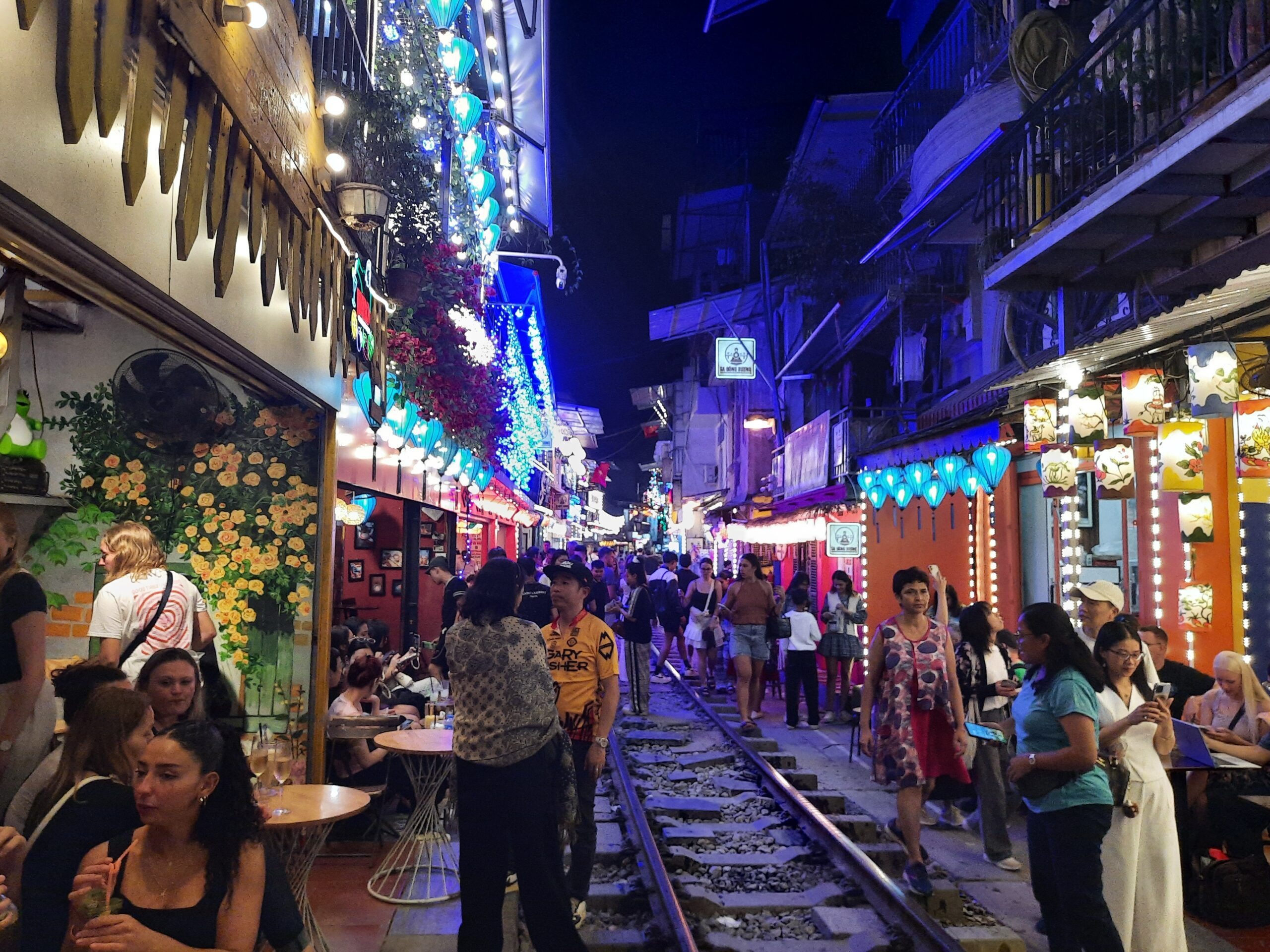
Hanoi has launched a new effort to promote polite conduct and a more civil way of life across the Vietnamese capital. The campaign introduces 10 models designed to bring rules of public behaviour into daily life at home, in schools, at work, and in community spaces. Officials say the goal is to turn cultural values into habits that people can practise rather than leave them as words on paper.
The initiative was launched on October 21 by the city’s Department of Culture, Sports and Tourism. The programme aims to encourage residents to show respect, act with care, and help keep public spaces pleasant for everyone. It also seeks to protect Hanoi’s cultural identity as the city grows and changes. The capital draws visitors from across Vietnam and abroad, making public behaviour part of the experience people have of the city.
Good public conduct can take many forms. It may mean speaking politely, keeping streets clean, respecting older people, waiting one’s turn, or helping someone who needs support. In schools, it can involve treating classmates fairly and caring for shared spaces. In workplaces, it may mean being honest, arriving on time, and showing respect to colleagues. Such actions can make daily life easier for people who share the same space.
The city plans to use practical settings to help people learn and follow these standards. The models are intended to bring the rules into places where residents live, study, work, and take part in community activities. This approach may help people see how good conduct applies to real situations. It can also give schools, local groups, and public bodies a clear way to discuss shared duties.
Hanoi has a long cultural history, and its identity is shaped by both its heritage and the lives of its residents today. The city has grown into a busy centre for education, business, tourism, and public services. As more people move through its streets, shared rules can help reduce conflict and improve the use of public spaces. The challenge is to make those rules useful to people of different ages and backgrounds.
Public campaigns work best when residents understand the reason behind them. Telling people to behave well may have little effect if they do not see how their actions affect others. Keeping a pavement clear, for example, can help older people and people with disabilities move safely. Putting rubbish in the right place makes streets cleaner for everyone. Respectful speech can also prevent small disagreements from becoming larger disputes.
Families, teachers, community leaders, and local officials may all have a role in supporting the campaign. Children often learn habits by watching adults. Schools can help students practise respect and shared responsibility, while community groups can encourage people to take part in local events. Public agencies can support the effort by keeping spaces clean, providing clear information, and treating residents fairly.
The campaign also raises a question about how progress will be measured. Public conduct is difficult to assess through simple numbers. Officials may need to look at participation, public feedback, the condition of shared spaces, and whether the models continue after the launch. Long-term work is often more useful than a short campaign that draws attention for a few days and then fades.
The October 21 launch marks a step in Hanoi’s effort to promote a civil and cultured city. Its success will depend on whether people use the ideas in everyday life. Good manners cannot be created by rules alone. They grow when people understand their shared duties and see that respect benefits the whole community. If the campaign helps turn those values into daily habits, it may support a cleaner, kinder, and more welcoming Hanoi.
