




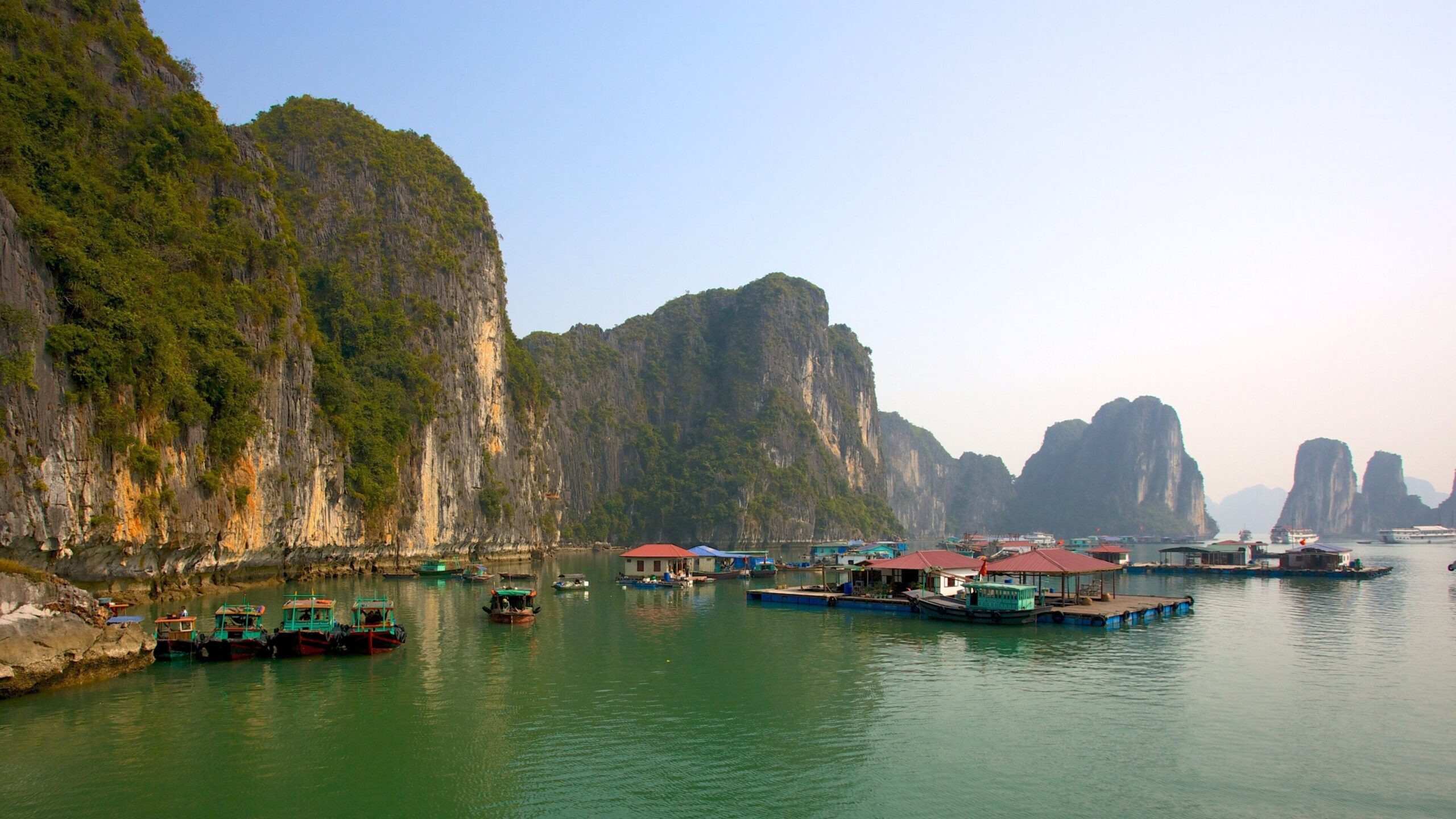
Vietnam has ranked fourth among the world’s leading autumn travel destinations for 2026, drawing fresh attention to the country’s natural beauty, historic sites, and varied landscapes. The ranking, reported on October 21, places Vietnam behind Japan, Italy, and Thailand on a list of 15 destinations highlighted by travel magazine Lonely Planet. The result adds to the country’s appeal as visitors look for places to explore during the cooler months.
Autumn is a popular time to visit parts of Vietnam because the weather can be mild and comfortable. In Hanoi, October often brings clearer skies and cooler days than the hot summer months. These conditions can make it easier for visitors to walk through the Old Quarter, explore local markets, and spend time near the city’s lakes. For many travellers, the season offers a chance to see the capital at a relaxed pace.
Vietnam’s appeal goes far beyond Hanoi. Ha Long Bay, in the north of the country, is known for its striking limestone islands and calm waters. Visitors can take boat trips, enjoy views across the bay, and explore the area by sea. The landscape offers a different experience from the busy streets of the capital, giving travellers a chance to enjoy nature as part of the same trip.
Other places also help make Vietnam a varied destination. Hoi An attracts visitors with its old streets, historic buildings, and local food. Sa Pa is known for its mountain views and terraced rice fields. During harvest season, the fields can turn golden, creating a landscape that draws photographers and people who enjoy outdoor travel. Tuyen Quang Province is another area named among the country’s destinations.
The range of places means visitors can choose a trip that matches their interests. Some may prefer city walks, museums, and food tours. Others may want mountain paths, boat trips, or time in smaller towns. Vietnam’s long shape and varied terrain allow travellers to combine several kinds of experiences, although travel times between regions can be long and should be planned carefully.
The ranking may help the tourism sector as it seeks to attract more international visitors. Travel brings income to hotels, restaurants, guides, transport firms, and local shops. It can also support jobs in smaller communities where other sources of income may be limited. However, the benefits depend on how tourism is managed and whether local people share in the gains.
More visitors can also create pressure. Popular sites may face litter, traffic, crowding, and damage to natural areas if visitor numbers grow too quickly. Local authorities and tourism firms need to protect the places that make a destination attractive. Clear visitor rules, good waste services, and support for local communities can help balance tourism with conservation.
Travellers planning an autumn visit should check local weather and transport conditions before leaving. The climate can vary across the country, and rain may affect some areas even when conditions are pleasant elsewhere. Booking rooms and transport early can also help during busy periods. Visitors should learn local customs, respect cultural sites, and follow guidance in natural areas.
The ranking offers Vietnam a chance to present its landscapes and culture to a wider audience. Yet a strong travel reputation depends on more than a place on a list. Visitors need safe transport, reliable services, and welcoming communities. If tourism growth is handled well, the country can gain from international interest while protecting its natural and cultural heritage for the future.
