




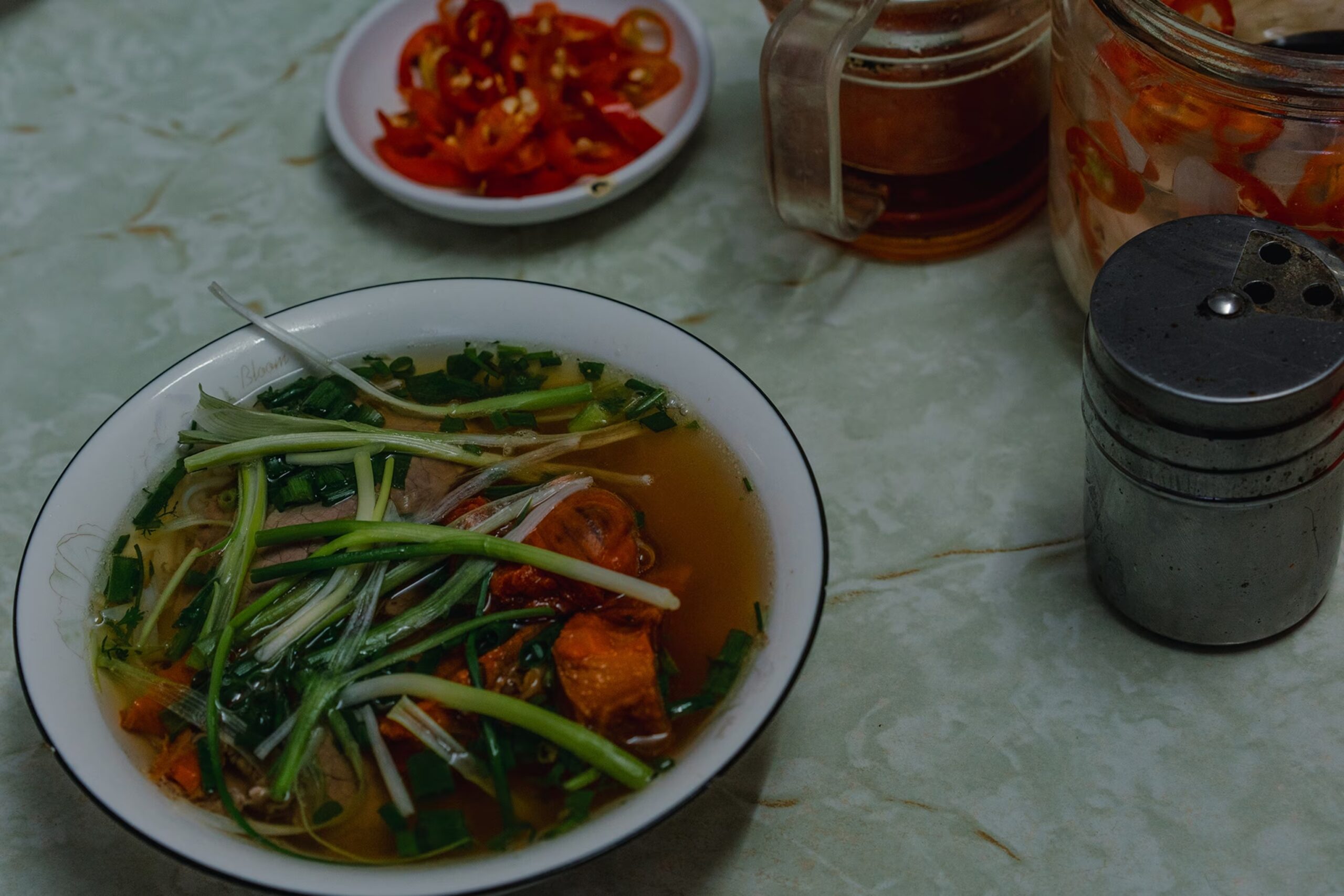
Hanoi’s food culture is attracting renewed attention for a feature highlighting the city’s early morning food tours, which begin before sunrise and follow the routines of vendors and residents who start their day in the early hours. The focus on food at dawn offers visitors a different view of the Vietnamese capital, away from the busiest tourist periods and into the daily rhythms that shape local life.
In Hanoi, breakfast is closely linked to the movement of the city. Street vendors, small restaurants and market stalls serve customers heading to work, school or other morning commitments. Many businesses prepare ingredients well before customers arrive, making the early hours an important part of the food trade. Visitors who join a morning tour can observe this preparation and see how meals are served in compact spaces along busy streets.
A food tour that starts around four in the morning offers an experience that differs from a conventional sightseeing trip. Instead of focusing mainly on landmarks, it introduces visitors to neighbourhoods through the people who cook, sell and eat there. The experience may include watching vendors arrange ingredients, preparing dishes in small kitchens and seeing how local customers choose their regular breakfast stops.
Food also provides a way to understand the city’s social life. Small eateries often serve as familiar meeting places for workers and residents, creating routines that are repeated every day. Customers may return to the same vendor because they trust the food, know the owner or enjoy the atmosphere. These ordinary interactions help sustain neighbourhood businesses and form part of the city’s character.
For visitors, early morning tours can also reveal how food traditions adapt to modern urban life. Hanoi continues to change as new businesses, transport systems and residential areas develop, yet street food remains a visible part of its identity. Traditional recipes and cooking methods operate alongside cafés, modern restaurants and new food trends. This mixture gives the city’s dining scene a range of experiences for residents and tourists.
Such tours can support local businesses by bringing visitors to small vendors who might otherwise receive less attention from international travellers. However, responsible tourism requires consideration for the people who live and work in these areas. Visitors should follow guides’ advice, respect private spaces, avoid blocking narrow walkways and ask before taking close-up photographs of vendors or customers.
Food safety and comfort are also practical considerations for travellers. Early starts can be demanding, so visitors should plan their transport, dress for the weather and choose food stops that suit their needs. Tour operators can improve the experience by explaining dishes, ingredients and local customs rather than treating the meal as a quick list of places to visit.
The growing interest in Hanoi’s early morning food culture shows how everyday routines can become meaningful travel experiences. The appeal lies not only in tasting local dishes but also in seeing how the city wakes up and how food connects vendors, workers and neighbourhoods. For visitors willing to start before dawn, the experience offers a closer look at Hanoi’s daily life through one of its most familiar traditions.
