




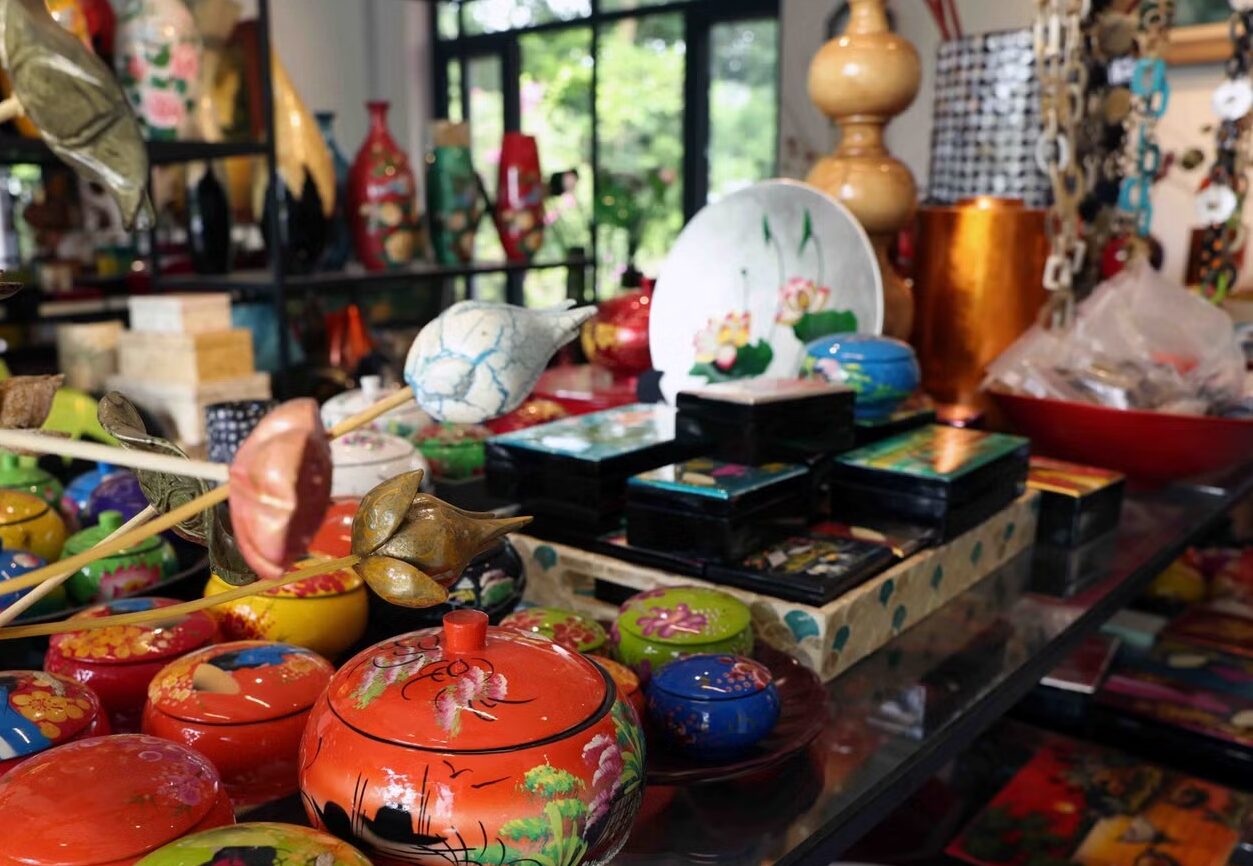
Hanoi is preparing to bring traditional crafts and cultural activities to a wider audience through a festival designed to support the preservation and development of craft villages. The event is planned to feature Vietnamese and international handicrafts, live demonstrations, new designs, food, and other cultural activities. Organisers also intend to highlight how digital tools and environmentally responsible ideas can help traditional industries adapt to changing times. The plan reflects Hanoi’s effort to protect its heritage while making it relevant to residents, younger generations, and visitors.
Craft villages have long played an important role in Vietnam’s cultural life. Skills are often passed from one generation to the next, with families and local workshops producing objects linked to daily use, decoration, festivals, and religious traditions. These crafts are more than products for sale. They can reflect local history, shared knowledge, and the identity of a community. When a craft survives over many years, it can connect younger people with the experiences and skills of their parents and grandparents.
However, traditional craft communities face pressures from modern production methods and changing consumer habits. Mass-produced goods can be cheaper and faster to make, while skilled handwork may require years of practice. Some young people may choose other careers if craft work offers uncertain income or limited opportunities. Craft villages also need to find customers beyond their immediate area, which can be difficult without marketing, transport, and access to wider markets. Festivals can help address these challenges by bringing makers into direct contact with buyers and visitors.
Live demonstrations can be especially useful because they allow people to see the time and skill behind handmade products. A visitor who watches a craft worker shape, weave, paint, or carve an object may better understand why the finished item has value. Such activities can also encourage young people to learn about traditional skills and consider whether they want to carry them forward. For artisans, demonstrations provide a chance to explain their work and connect with customers who value quality and cultural meaning.
The festival’s focus on innovation also matters. Digital tools can help craft makers present their work online, reach new buyers, and explain the history of their products. New designs may allow traditional skills to serve modern needs without losing their core identity. Environmental ideas can encourage the careful use of materials, reduced waste, and production methods that place less pressure on local resources. The challenge is to use technology in ways that support craft communities rather than replace the knowledge that makes their work distinctive.
Tourism can bring benefits to these communities, but it needs careful planning. A rise in visitors may create demand for local products, food, guides, and accommodation. It can also put pressure on roads, public spaces, and the daily routines of residents. Communities need a fair share of the income created by tourism, and craft makers should have a meaningful role in decisions about how their heritage is presented. A successful event should support local livelihoods while respecting the people whose traditions are being shared.
Hanoi’s wider heritage also offers opportunities to connect historic sites, traditional arts, food, and creative businesses. Visitors who attend a craft event may be encouraged to explore other parts of the city and learn about its history. Residents can benefit when cultural programmes make public life more active and give local artists space to work. The strongest results are likely when preservation is treated as part of the city’s future rather than simply as a way to display the past.
The festival provides a chance to build stronger links between artisans, cultural organisations, businesses, and visitors. Its long-term value will depend on whether the attention leads to lasting demand, new skills, and better opportunities for craft communities. Protecting heritage requires more than a single event; it needs continued support for the people who keep traditions alive. By combining traditional knowledge with thoughtful innovation, Hanoi can help its craft villages remain an active part of modern life.
