




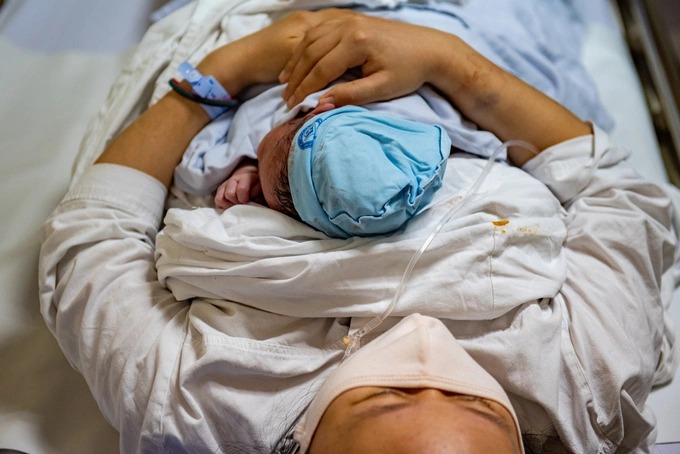
Hanoi will introduce a financial incentive for women who give birth to two children before reaching the age of 35, as the Vietnamese capital attempts to respond to a continuing decline in fertility. Under the policy approved by the city’s People’s Council, eligible women will receive a one-time payment of four million Vietnamese dong, equivalent to around 154 US dollars. The support programme is scheduled to begin in 2027.
The measure is designed to encourage families to have two children and help the city maintain a more balanced population structure. To qualify, women must have permanent or temporary residence in Hanoi for at least six months. The age requirement will be assessed at the time of childbirth.
The policy comes as Hanoi’s fertility rate remains below the replacement level. Official figures show that the total fertility rate stood at 1.88 children per woman in 2023, declined to 1.86 in 2024 and increased slightly to 1.87 in 2025. Although the latest figure represents a small improvement, it remains below the level needed to maintain the population over the long term without migration.
City officials have warned that a prolonged decline in births could affect the age structure of the population. A smaller younger generation may eventually reduce the available workforce and increase pressure on healthcare, pension systems and support services for older residents.
The cost of raising children is one of the issues affecting family decisions. Housing, education and childcare expenses can place significant pressure on household budgets, particularly for young couples living in large cities. Parents must also balance employment responsibilities with family life, making decisions about having children more complicated.
Hanoi estimates that approximately 15,000 women could qualify for the payment each year. The programme is expected to require an annual budget of around 60 billion dong. The city has also included other population-related measures, such as support for population collaborators and premarital health services.
Officials acknowledge that a one-time payment cannot cover the full cost of raising a child. The incentive is instead intended to provide additional support and form part of a wider population policy.
The effectiveness of the programme will become clearer after it begins in 2027. Authorities will need to assess whether financial assistance can influence family decisions and whether additional childcare, housing and workplace support is required to address the city’s demographic challenges.
