




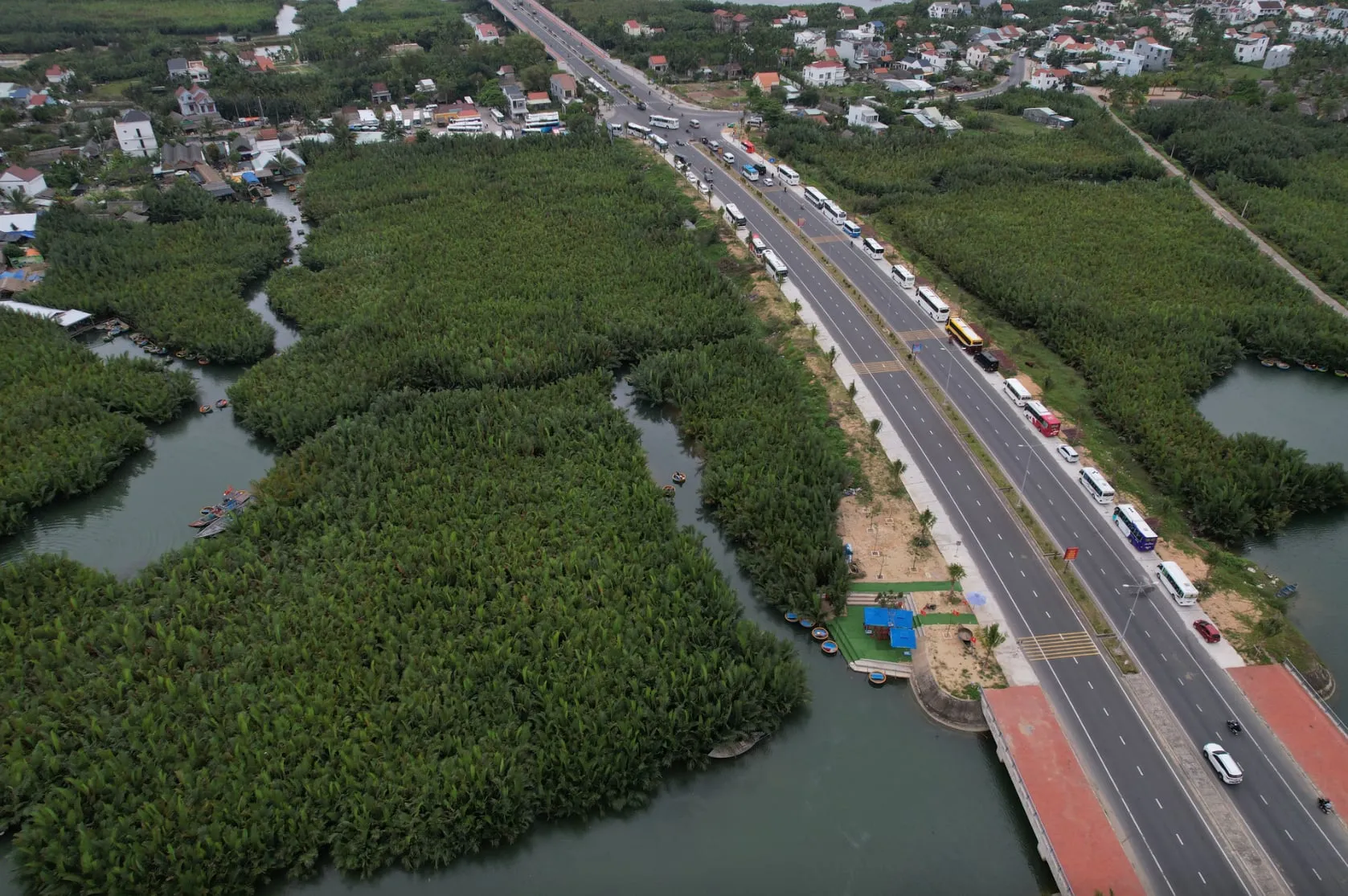
A popular nipa palm forest in central Vietnam has welcomed 1.65 million visitors during the first ten months of 2026. The attraction, located in Cam Thanh Village near Hoi An, has become an important destination for local tourism and has generated around 50 billion Vietnamese dong in revenue.
The Cam Thanh nipa palm forest is located in Hoi An Dong Ward, Da Nang City. The area is known for its green waterways, traditional river life and distinctive palm-covered landscape. Forbes previously included Cam Thanh Village among the world’s 50 most beautiful villages in 2025.
Local tourism officials said visitor numbers had already passed the full-year target of 1.33 million by the end of October. The total was around 320,000 higher than the target, showing strong demand for the destination.
Tourism revenue reached approximately 50 billion dong, equal to around 1.9 million US dollars. The forest also supports local livelihoods, with thousands of households benefiting from tourism-related activities.
One of the main attractions is the traditional round basket boat. Visitors travel through the palm-lined waterways and take part in boat rides that reflect the area’s river culture. Some boat operators also offer spinning rides, which have become popular with tourists who share videos of their experiences online.
The destination is around three kilometres southeast of Hoi An Ancient Town. Its location allows visitors to combine a trip to the forest with other cultural and historical attractions in the area.
Local officials say improvements in tourism management and promotion have helped increase visitor numbers. New experiences, better organisation and stronger marketing have made the attraction more appealing to domestic and international travellers.
South Korean visitors are among the important tourism markets for the area. The forest’s natural scenery and traditional activities have helped it attract people looking for experiences beyond large hotels and busy city centres.
The wider tourism industry in Da Nang has also recorded strong growth. Accommodation businesses served more than 17 million visitors during the first ten months of the year, with international arrivals accounting for over 8.3 million.
Revenue from accommodation, food services and travel activities reached more than 62 trillion dong. This reflects the growing importance of tourism to the city’s economy.
The success of Cam Thanh shows how natural landscapes and local traditions can support tourism development. By protecting the forest and maintaining its cultural activities, the area hopes to attract more visitors while providing lasting benefits for nearby communities.
