




Vietnam’s National Assembly has discussed proposed amendments to the country’s Law on Food Safety, with lawmakers examining measures intended to improve food quality and strengthen controls across the entire supply chain. The discussion took place on November 11 during the second session of the 16th National Assembly.
The proposed changes are designed to make food safety regulations more comprehensive and improve the way authorities monitor businesses involved in producing, processing, distributing and selling food. Lawmakers are considering new requirements for companies operating through e-commerce platforms, as online food sales continue to become a larger part of the market.
One important proposal is the creation of a national food safety information and data system. Such a system could help government agencies collect and share information about food products, businesses and potential safety risks. Better access to information may allow authorities to identify problems earlier and respond more effectively when products fail to meet legal requirements.
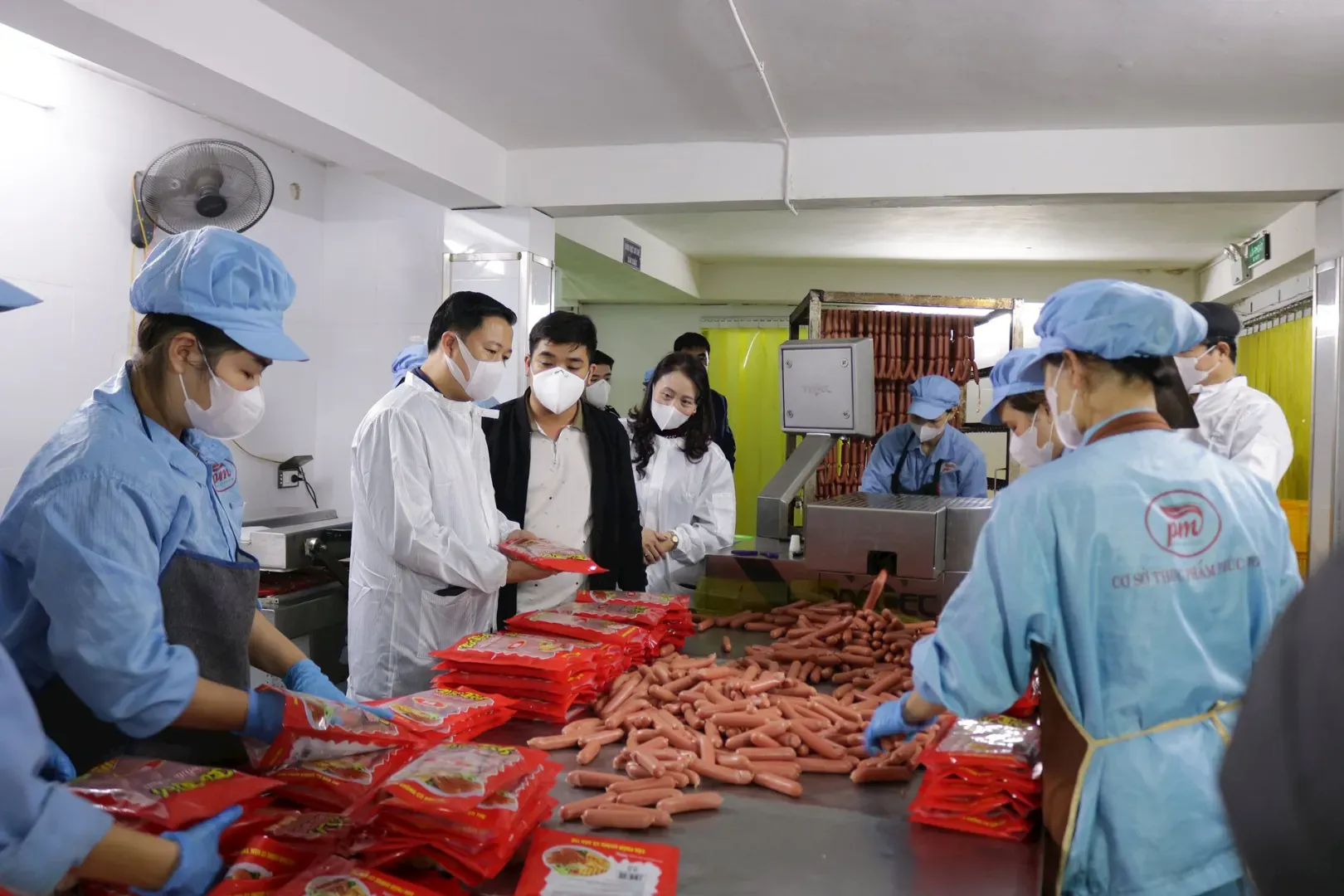
The draft law also introduces stronger requirements for food businesses to maintain good hygiene practices and apply advanced food management systems. These measures are intended to improve standards at different stages of production and distribution, rather than relying only on inspections after products reach consumers.
Another important part of the proposal concerns food contamination. Products obtained through harvesting, fishing, extraction or animal slaughter would have to meet limits for veterinary drug residues, pesticide residues and other contaminants. The rules are intended to reduce risks to consumers and improve confidence in food sold in domestic markets.
The amendments also provide for stronger post-market inspections. Authorities would be able to review products after they have been declared and take action when they discover violations. This could include revoking certificates of product declaration or removing product information from official government websites. Certificates confirming that food establishments meet safety requirements could also be withdrawn if businesses fail to comply with the law.
The draft places particular emphasis on risk-based management across the food supply chain. Instead of treating every product and business in exactly the same way, authorities would assess the risks associated with different activities and focus controls where problems are more likely to occur. The approach is based on international practices and guidance from the Codex Alimentarius Commission.
The National Assembly’s discussion forms part of a wider legislative programme during the current session. Lawmakers are also considering proposed laws covering commodity derivatives trading and amendments to the country’s maritime and inland waterway code. The assembly is reviewing reports on citizen complaints, petitions and the handling of public concerns in 2026.
In addition, lawmakers are examining a proposed adjustment to the administrative boundary between Hanoi and Phu Tho province. The issue is expected to be discussed as part of the broader debate on administrative organisation and national development.
Food safety remains an important public concern because problems can affect households, businesses and the wider economy. Stronger standards could help protect consumers, improve the reputation of Vietnamese food products and support exporters seeking access to international markets.
The proposed amendments are still part of the legislative process, and the final law will depend on the outcome of parliamentary consideration. If adopted and properly enforced, the changes could give authorities stronger tools to monitor food businesses and improve safety from production to the point of sale.
