




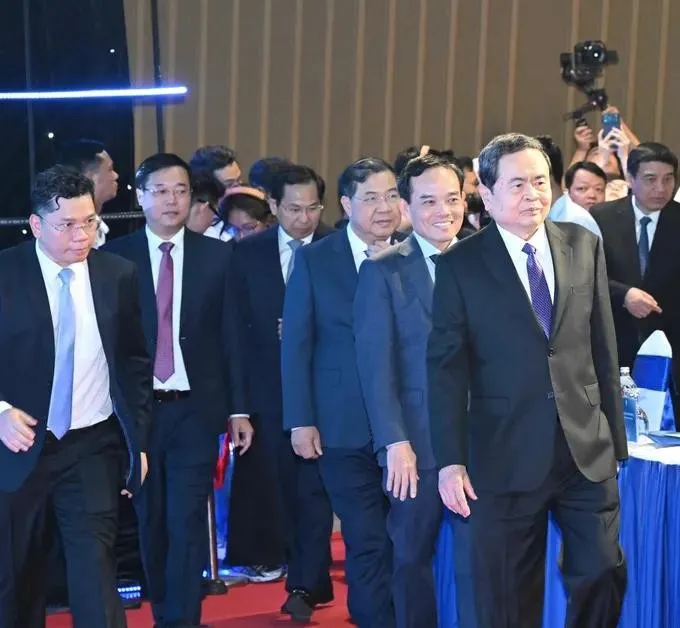
Ho Chi Minh City has unveiled a major development plan covering the period from 2025 to 2050, supported by a long-term vision extending for 100 years. The master plan was announced on November 23 at the city’s Planning Exhibition Centre, with senior national and municipal officials attending. The strategy aims to transform the southern metropolis into a modern, sustainable and internationally competitive city. It also reflects the city’s expanded development opportunities following its administrative merger with neighbouring areas.
The plan proposes a multi-centred urban structure built around five major growth hubs, five satellite centres, strategic transport connections and different development management zones. The hubs are intended to support specialised activities such as international finance, innovation, advanced manufacturing, logistics, seaport operations, education and healthcare. Officials believe that distributing development across several centres could reduce pressure on the traditional urban core and create new opportunities for surrounding communities.
The city aims to become a modern service and industrial centre by 2030, with a stronger digital economy and improved international integration. By 2045, it hopes to rank among the world’s leading cities, while its longer-term ambition is to become a smart and globally connected urban centre by 2075. The plan also seeks to promote green and circular economic development, with science, technology and innovation serving as major drivers of future growth.
The planning area covers approximately 6,772.59 square kilometres and includes 168 communes, wards and special administrative zones. The city intends to improve transport links between its different growth areas while developing stronger connections with neighbouring provinces and maritime regions. Key projects include an international financial centre, the Can Gio International Transshipment Port, high-tech industrial zones and innovation parks. Authorities also want to address major challenges involving flooding, pollution and infrastructure bottlenecks.
National Assembly Chairman Tran Thanh Man stressed that announcing the master plan is only the beginning and that effective implementation will determine its success. The city must update existing planning documents, mobilise public and private investment and ensure that development projects follow a coordinated strategy. Officials also want residents to have opportunities to review digital maps and provide feedback during a month-long exhibition. The plan represents a major long-term ambition, but achieving it will require sustained investment, strong administration and careful attention to residents’ quality of life.
