




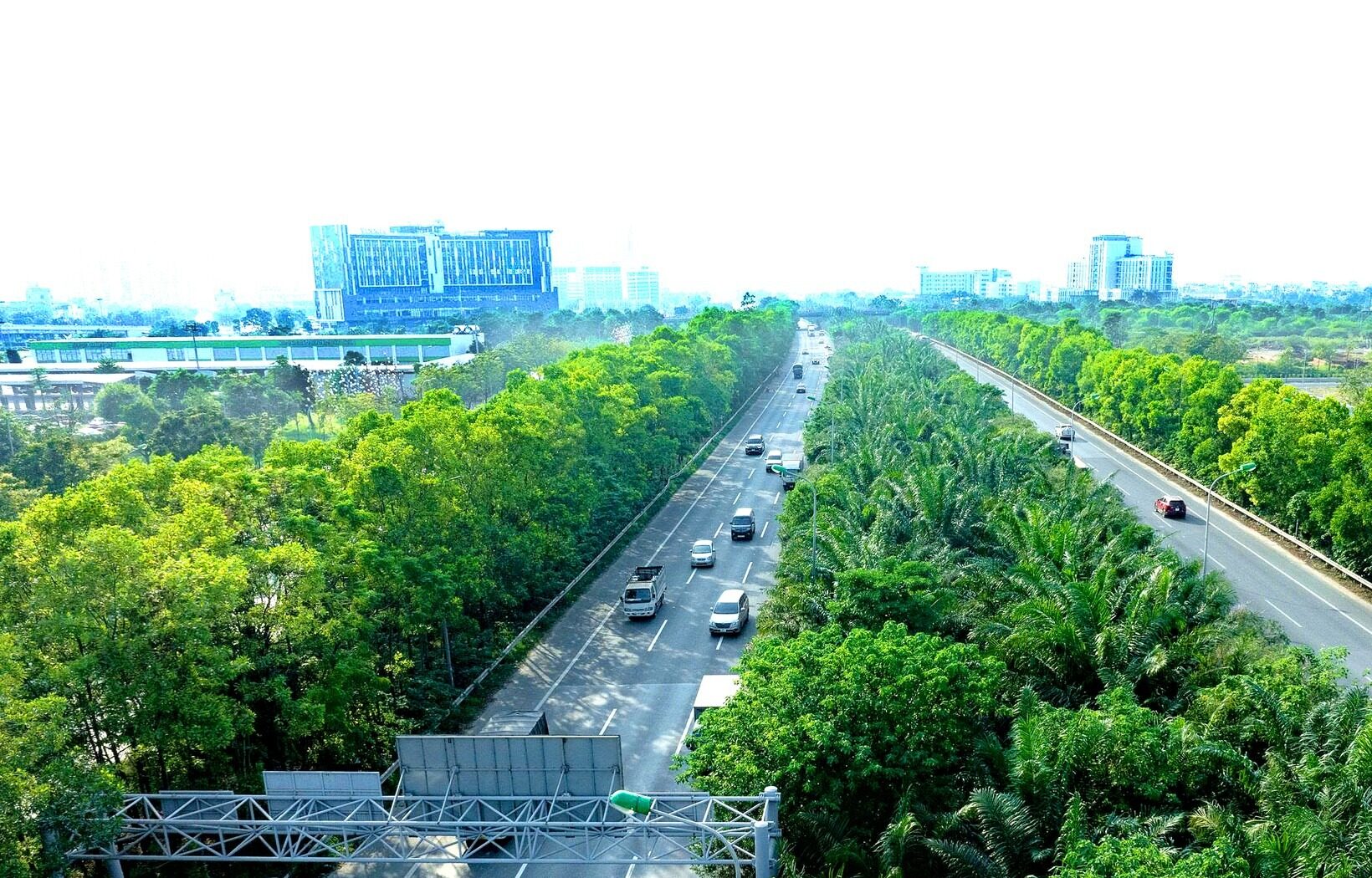
Hanoi has introduced updated rules for the management of trees and green spaces, including a list of 18 tree species that are banned from public areas. The measures cover parks, streets, and other public spaces where trees play an important role in the city’s environment. The aim is to improve safety and guide how local authorities manage urban greenery as the capital continues to grow.
Trees provide shade, help cool streets, and make neighbourhoods more pleasant. They can also improve the appearance of public spaces and support urban wildlife. In a busy city, green areas offer residents places to walk, rest, and spend time outdoors. But trees must be chosen and maintained carefully to ensure they are suitable for the places where they grow.
Some species may pose risks because of weak branches, unstable roots, or other features that make them unsuitable for crowded areas. Trees near roads and buildings need particular care because falling branches or damaged trunks can injure people and damage property. A clear list of restricted species can help public agencies and contractors make safer choices when planting or replacing trees.
The new rules also relate to the wider management of parks, water bodies, and green spaces. Hanoi faces the challenge of balancing urban development with the need to maintain a healthy environment. As roads, homes, and commercial areas expand, public authorities must protect existing trees while ensuring that new planting fits the conditions of each site.
The restrictions do not mean that trees have no place in the city. Instead, they underline the need to select species that can grow safely in an urban setting. The right tree depends on the space available, soil conditions, water supply, and the nearby buildings or roads. Planting choices should also take account of how large a tree will become and how much care it will need over time.
Maintaining trees is as important as choosing them. Regular checks can identify damaged branches, disease, or signs that a tree may become unstable. Pruning and other work need to be carried out with care, as poor maintenance can damage trees and create new hazards. Local agencies must also ensure that work does not leave streets or footpaths unsafe for residents.
Residents can help by reporting damaged trees and avoiding areas where maintenance work is under way. They can also support green spaces by keeping them clean and respecting public planting areas. However, responsibility for safety rests with the relevant authorities and service providers, who need clear standards and enough resources to carry out inspections.
The new rules may also shape future planting projects. Contractors and public agencies will need to check the approved species list before selecting trees for streets, parks, and other public spaces. Clear guidance can reduce mistakes and help ensure that public money is spent on planting that lasts.
Hanoi’s decision reflects the growing need to manage urban green spaces in a safe and planned way. The city must protect residents while keeping the shade and beauty that trees provide. The success of the rules will depend on careful enforcement, regular maintenance, and a long-term plan for greenery. A safer urban forest can improve daily life while helping Hanoi remain a more comfortable place to live.
