




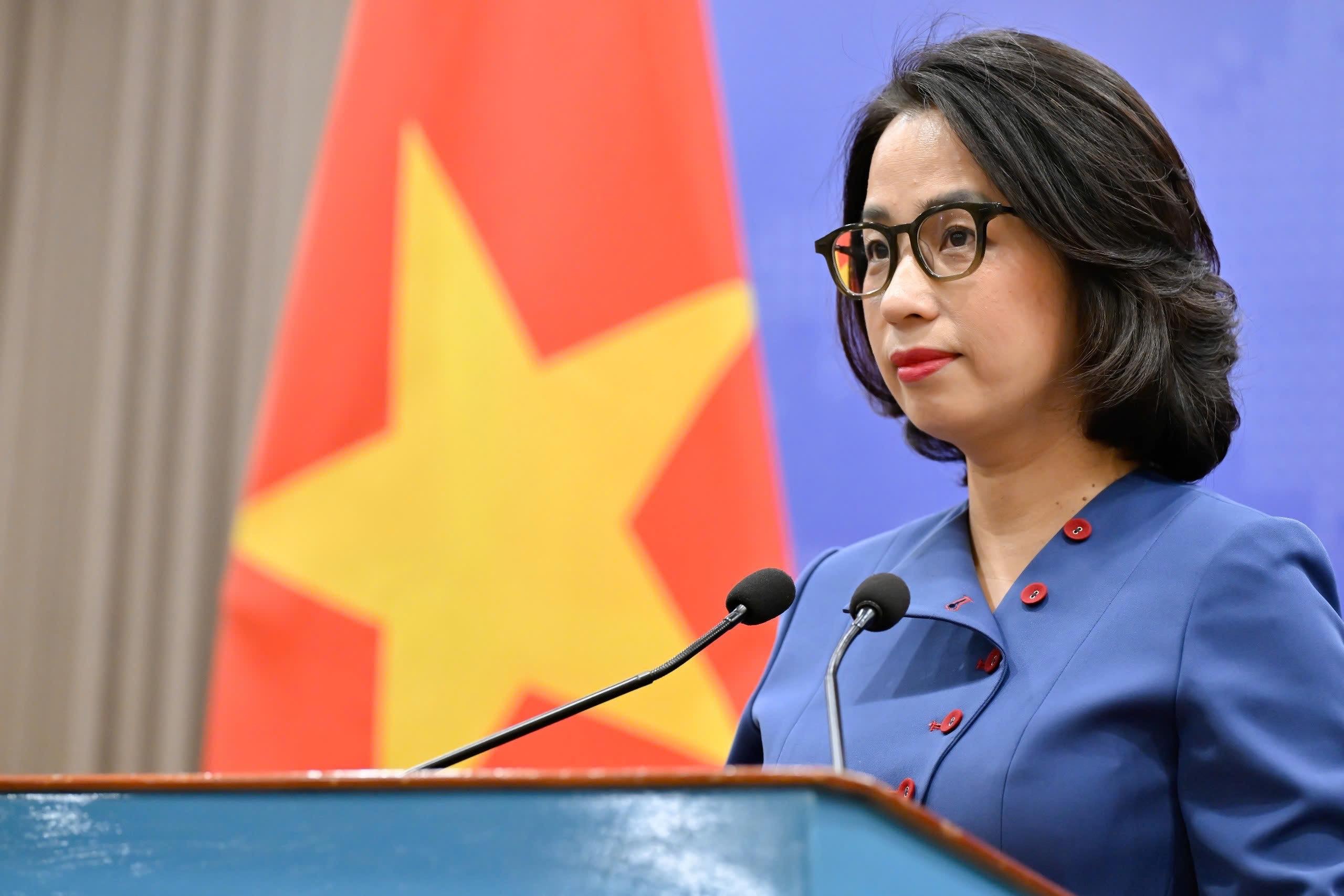
Vietnam and the European Free Trade Association have signed a free trade agreement after 14 years of negotiations. The deal was signed in Hanoi on October 18 by Vietnam’s Minister of Industry and Trade, Le Manh Hung, and representatives of EFTA member states. It is intended to create new opportunities for trade, investment and cooperation between the two sides.
EFTA consists of Switzerland, Norway, Iceland and Liechtenstein. The group is separate from the European Union, although its members maintain close economic links with many European markets. The agreement gives Vietnam another route to strengthen its commercial relations with European partners and expand access to markets with strong demand for goods and services.
For Vietnamese businesses, a trade agreement can provide a clearer framework for selling products abroad. Lower trade barriers and more predictable rules may help exporters plan production, attract buyers and build long-term business relationships. Companies may also gain new opportunities to work with foreign partners, improve production methods and take part in international supply chains.
The benefits will depend on the agreement’s terms and how businesses use them. Exporters must still meet the standards and requirements of the markets they enter. Product quality, reliable delivery, clear documentation and competitive prices remain important. Smaller firms may need support to understand the rules and take advantage of the opportunities available.
The agreement could also support investment between Vietnam and EFTA countries. Businesses may explore cooperation in technology, manufacturing, services and other sectors. Greater investment can bring capital and skills, but its effect depends on whether projects are sustainable and whether local workers and companies can benefit from them.
The signing is an important milestone after years of negotiations, but implementation will be the next major step. Governments will need to complete the required procedures and explain the agreement’s provisions to businesses. Companies will then need time to adjust their plans and explore new markets.
Vietnam has been working to widen its network of trade partnerships as it seeks continued economic growth. The agreement with EFTA adds another framework for that effort. Its long-term value will be measured by whether it leads to stronger trade, productive investment and lasting business links for both sides.
