




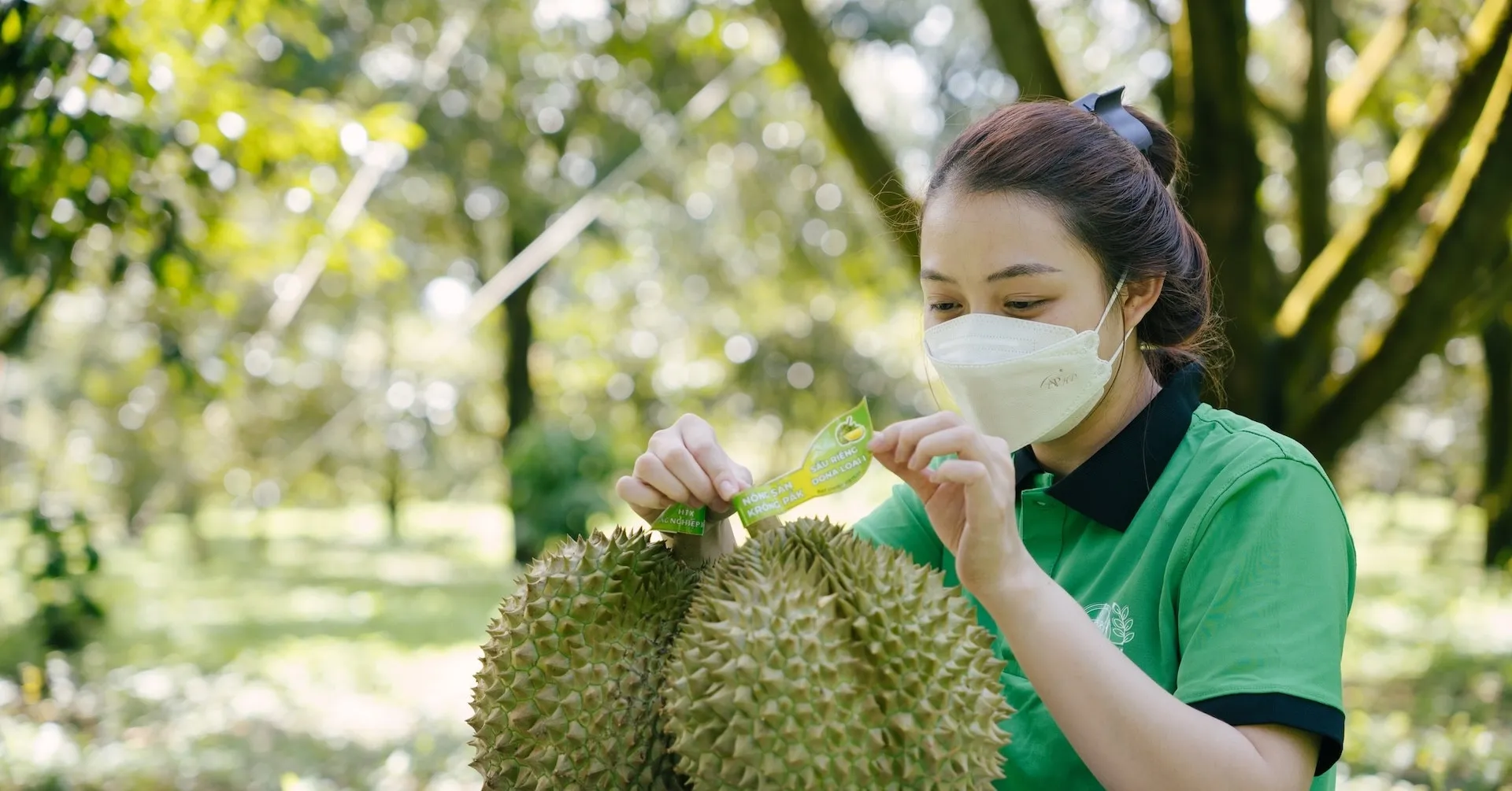
Vietnam is working to expand its fruit and vegetable exports, with the industry aiming to reach annual export revenue of 20 billion US dollars in the coming years. The sector expects exports to reach between 9.5 billion and 10 billion dollars in 2026, creating a stronger foundation for future growth. Industry representatives say the next stage will require better production organisation, improved quality and greater investment in processing technology.
Several agricultural products are showing strong potential in international markets. Passion fruit, pineapple and bananas are among the crops that could contribute to higher export earnings. Producers have been improving planting materials and farming methods to increase productivity and meet international quality requirements. Vietnam’s development of disease-free passion fruit planting materials, for example, has helped local producers reduce dependence on imported varieties and expand sales to markets including the United States and South America.
Pineapple production has also benefited from improvements in agricultural technology. The move towards higher-yielding varieties has increased the amount of fruit that can be produced from each hectare. The MD2 pineapple variety can produce significantly higher yields than older varieties, while offering opportunities for both fresh-fruit sales and industrial processing. Industry representatives estimate that revenue from one hectare of MD2 pineapple could reach between 900 million and one billion Vietnamese dong under suitable production and market conditions.
A major challenge is ensuring that farmers, cooperatives and companies work together through organised supply chains. Export businesses need reliable supplies of fruit that meet consistent quality standards, while farmers need stable buyers and access to technical support. Companies are therefore developing partnerships with local producers to establish concentrated growing areas. One business in the Mekong Delta, for example, has developed more than 300 hectares of MD2 pineapple plantations and plans to expand the area to around 1,000 hectares by 2030.
The industry also needs more investment in processing facilities, storage, packaging and irrigation. Export markets increasingly require strict food safety standards, traceability and reliable product quality. Poor storage and processing infrastructure can increase costs and cause losses after harvesting. Industry representatives have called for stronger cooperation between businesses, research institutions and government agencies. If Vietnam can improve production quality and build more efficient supply chains, the fruit and vegetable sector could become a much larger contributor to the country’s export economy.
