




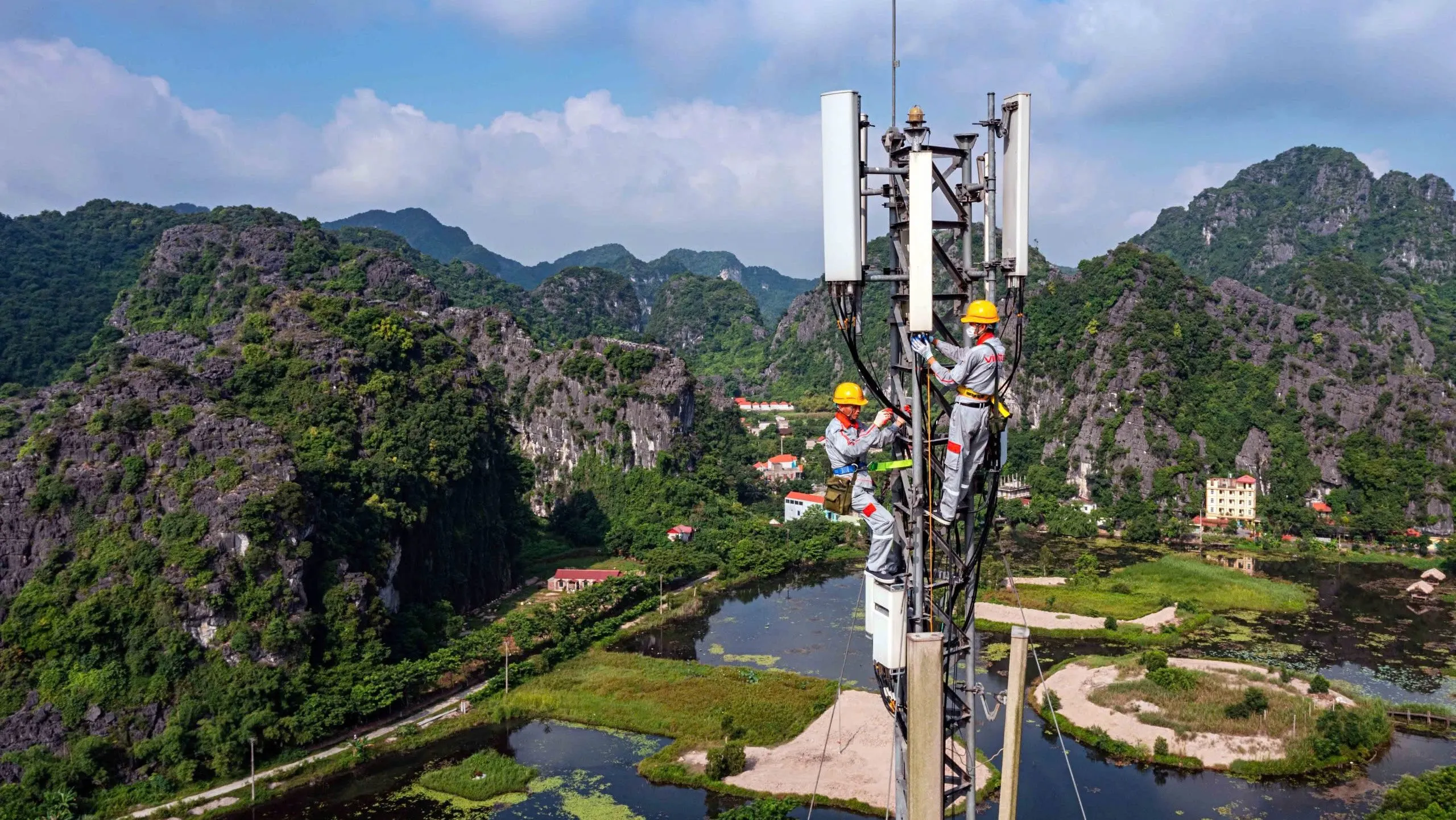
Vietnam’s rapid expansion of 5G mobile networks has helped the country reach the global top ten for internet speed, marking a major change in its digital development. The progress follows years of investment in telecommunications infrastructure and comes after the country struggled with much lower rankings during the earlier 2G and 3G generations. The latest development highlights how quickly Vietnam’s digital connectivity has improved in a relatively short period.
The shift has taken place across three generations of mobile networks over roughly a decade. However, much of the recent improvement has happened in less than two years since the arrival of 5G. The technology offers faster data transmission, lower delays and the ability to connect more devices at the same time. These features can support a wider range of services, including online business, digital payments, industrial automation and advanced communication systems.
The expansion of 5G is important for Vietnam’s wider economic ambitions. Faster and more reliable connections can help businesses improve operations, communicate with customers and introduce new digital services. Manufacturing companies may also benefit from technologies that require stable connections between machines, sensors and computer systems. For a country seeking to strengthen its position in global supply chains, better digital infrastructure can become an important advantage.
The progress also creates new opportunities for education, healthcare and public services. Reliable mobile networks can make online learning and digital information more accessible, especially in areas where traditional services may be harder to reach. Businesses can use improved connectivity to reach customers beyond major cities, while public institutions can develop more efficient digital systems. However, the benefits will depend on how widely the network becomes available and whether users can afford suitable devices and services.
Vietnam’s improved international ranking shows the potential of sustained investment in modern telecommunications. The next challenge will be to turn faster connections into wider economic and social benefits. That will require continued network expansion, stronger digital skills and services that make practical use of 5G technology. If the country can maintain this progress, its telecommunications sector could play an increasingly important role in supporting innovation and long-term economic development.
