




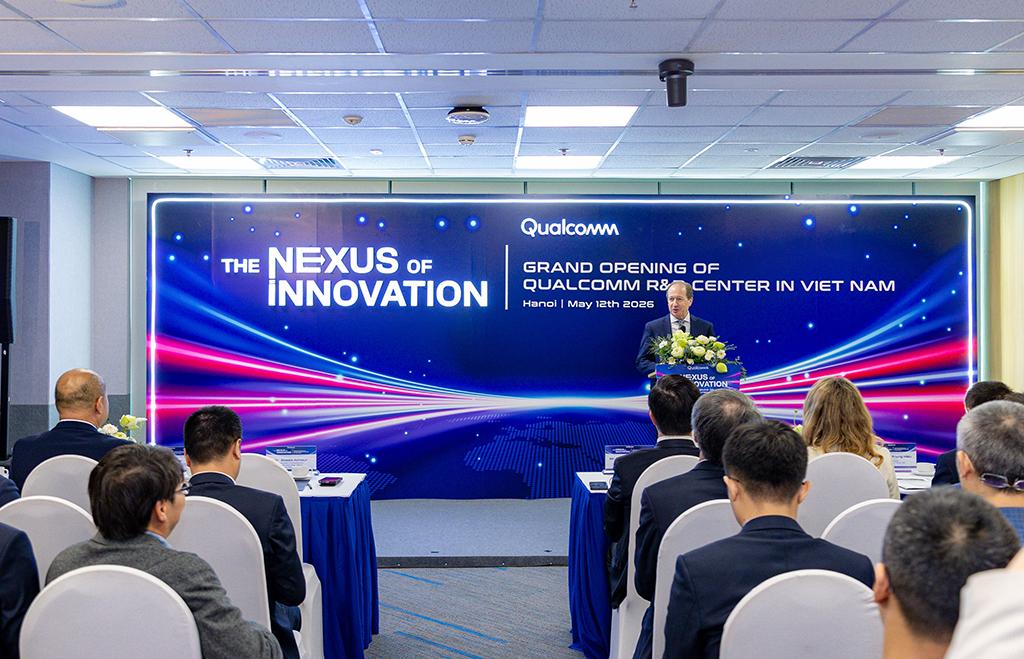
Vietnam is pushing for deeper investment from major global technology companies as it works to build a stronger high tech economy. On Thursday, August 27, Vietnamese leaders met senior executives from Qualcomm and Samsung in Hanoi. The talks focused on artificial intelligence, semiconductors and research. The developments were reported on Friday, August 28, and show how Vietnam wants technology to play a larger role in its economic growth.
Vietnamese leaders asked Qualcomm and Samsung to expand their work in the country. The government wants more investment in AI, chip technology and research. It also wants foreign technology firms to build long term operations in Vietnam. The aim is to move beyond basic production and create more skilled jobs and stronger local technology links.
The push comes as Vietnam tries to improve its place in the global technology supply chain. The country has already become an important manufacturing base for many large technology firms. Officials now want more research and development work to take place inside Vietnam. They believe this can help local companies gain new skills and allow the country to capture more value from the global technology industry.
Qualcomm is one of the companies Vietnam hopes to attract more deeply into the local technology sector. The US chip designer has worked with Vietnamese partners and has shown interest in making Vietnam an important base for research. Vietnamese leaders welcomed the company’s plans to strengthen its position in the country and develop more advanced technology work.
Samsung is also central to Vietnam’s technology plans. The South Korean company has a large manufacturing presence in the country and has become one of Vietnam’s biggest foreign investors. Hanoi wants the company to expand its work in areas such as semiconductors and advanced research. More investment in these fields could help Vietnam develop a larger pool of skilled workers.
Artificial intelligence is now a major part of the government’s economic strategy. Vietnam wants to build stronger AI skills and create an environment where technology companies can develop new products. The government also sees AI as a tool that can improve productivity in manufacturing, services and public systems.
Semiconductors are another key area. Demand for advanced chips has grown as companies build more AI systems, data centers and smart devices. Vietnam wants to take part in this growth. Officials believe the country can use its existing manufacturing base while building stronger skills in chip design, testing and research.
The government is also seeking better quality foreign investment from other countries. On Thursday, Prime Minister Le Minh Hung urged Chinese investors to focus more on technology based projects. He highlighted AI, 5G and semiconductors as important areas for future investment. The message shows that Vietnam wants foreign capital to bring technology and skills as well as money.
This strategy could have a wider effect on Vietnam’s economy. More high tech investment could create better paid jobs and help local firms join global supply chains. It could also support universities and research centers by creating more demand for skilled graduates.
However, the shift will not be simple. Advanced technology needs skilled workers, strong research systems and reliable infrastructure. Vietnam will need to keep improving education and training if it wants to compete for more advanced investment. It will also need close links between foreign companies and local businesses.
For Hanoi, the technology drive could strengthen the capital’s role as a center for research and innovation. The city has already attracted major technology projects and is seeking to develop its semiconductor sector. More investment could help create new technology clusters and support the growth of local firms.
The latest meetings therefore mark more than a search for new factories. Vietnam wants to move toward a more advanced economic model. By seeking greater investment from Qualcomm, Samsung and other global companies, the government hopes to build a stronger technology base and gain a larger role in the future global economy.
