




Vietnam’s government has ordered urgent action to strengthen national energy security and ensure a reliable electricity supply through 2030. The policy places stable energy at the centre of the country’s economic plans. As factories expand, cities grow, and more services move online, dependable power is essential for daily life as well as industrial production.
Electricity supports almost every part of the modern economy. Factories need it to run machines, homes use it for lighting and cooling, and hospitals rely on it to operate equipment. Digital services, transport networks, and communications also depend on steady power. If supply cannot keep pace with demand, businesses may face delays and higher costs, while households may experience interruptions that affect work and daily routines.
Vietnam’s economic growth has increased the need for a well-planned energy system. Industrial areas need enough electricity to support production, while cities require power for housing, transport, and public services. Strong growth can create new jobs and income, but it also places pressure on power stations, transmission lines, and distribution networks. Planning must therefore look ahead rather than respond only when demand becomes difficult to meet.
Energy security involves more than producing enough electricity. The country must also ensure that fuel and other resources are available, power networks can move electricity where it is needed, and the system can withstand unexpected problems. A disruption at one plant or a shortage of fuel can affect many users if there are not enough alternatives. Reliable planning helps reduce these risks.
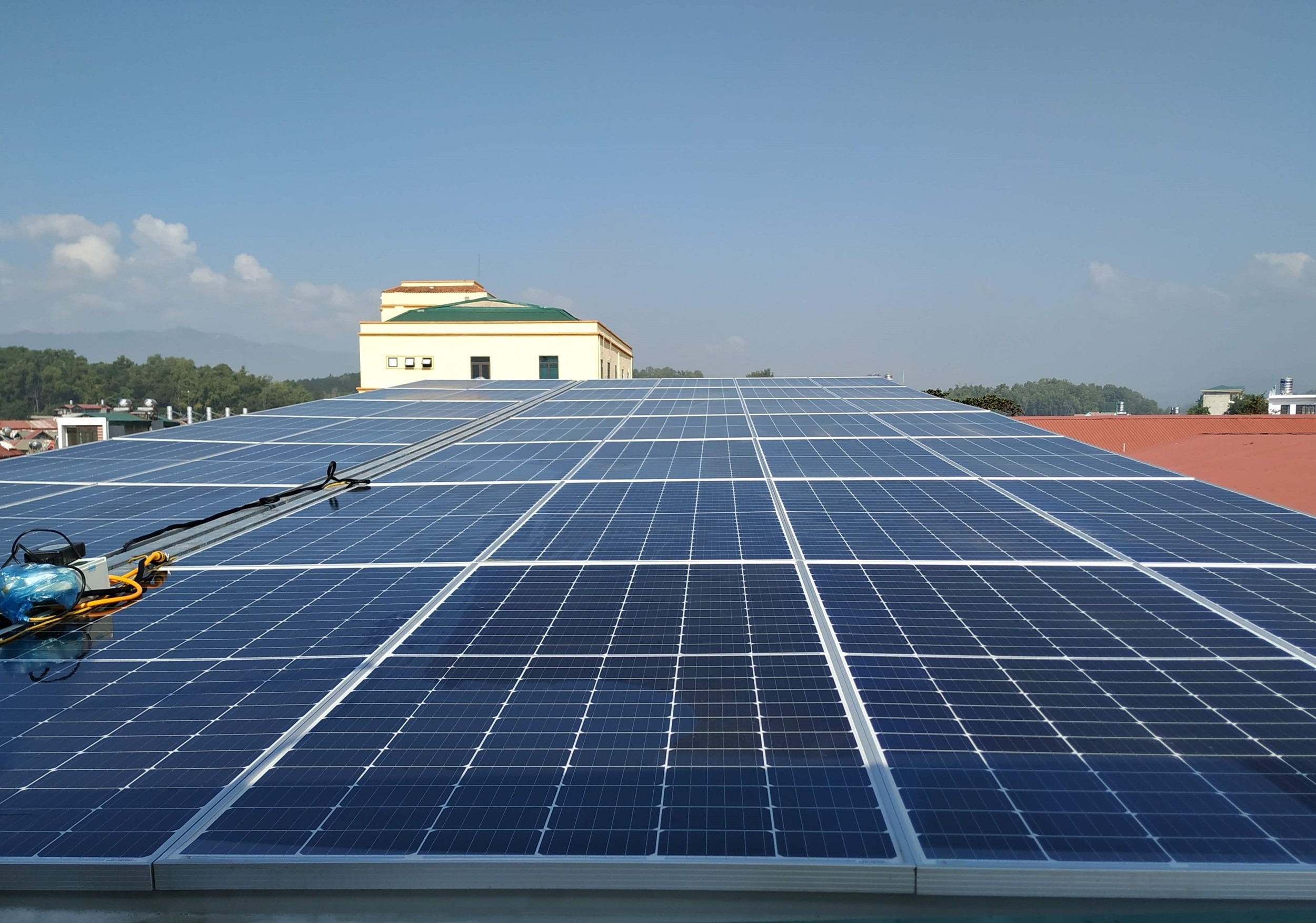
Vietnam is working to develop a mix of energy sources. Traditional power generation remains important, while renewable energy can help widen supply and reduce pollution. Solar and wind power offer opportunities, but their output depends on weather conditions and time of day. A reliable system needs suitable storage, stronger transmission links, and other sources that can provide power when renewable output is low.
Investment is a major part of the challenge. New power plants, grid upgrades, and storage systems require large sums of money and long planning periods. Investors need clear rules, reliable contracts, and confidence that projects can connect to the grid. Delays can raise costs and make it harder to match supply with demand. Government agencies must coordinate plans so that new power sources and transmission capacity develop together.
Energy prices also affect households and businesses. When fuel costs rise, the price of producing and transporting goods can increase. Firms may have to spend more to run equipment, while families may face higher bills. A stable energy system can help reduce sudden disruption, although it cannot fully protect the country from changes in global fuel markets. Careful planning can still make the economy more resilient.
Efficiency is another important tool. Factories can reduce waste by using modern equipment and improving production methods. Homes and offices can save power through better insulation, efficient cooling, and careful use of electrical devices. These changes can reduce pressure on the grid and lower costs over time. Public information and practical support can help households and firms adopt useful measures.
Vietnam’s energy plan is closely tied to its long-term development goals. A dependable power supply can support investment, create jobs, and help firms meet production targets. At the same time, the country must consider environmental impacts and the cost of new infrastructure. Decisions made now will shape how the energy system performs for years to come.
The government’s call for urgent action reflects the importance of preparing for rising demand. The next steps will require investment, clear planning, and cooperation between public agencies and energy companies. If Vietnam can expand supply while improving efficiency and reliability, it will be better placed to support economic growth through 2030. The central task is to ensure that homes, public services, and industries have the power they need without creating new risks for the future.
