




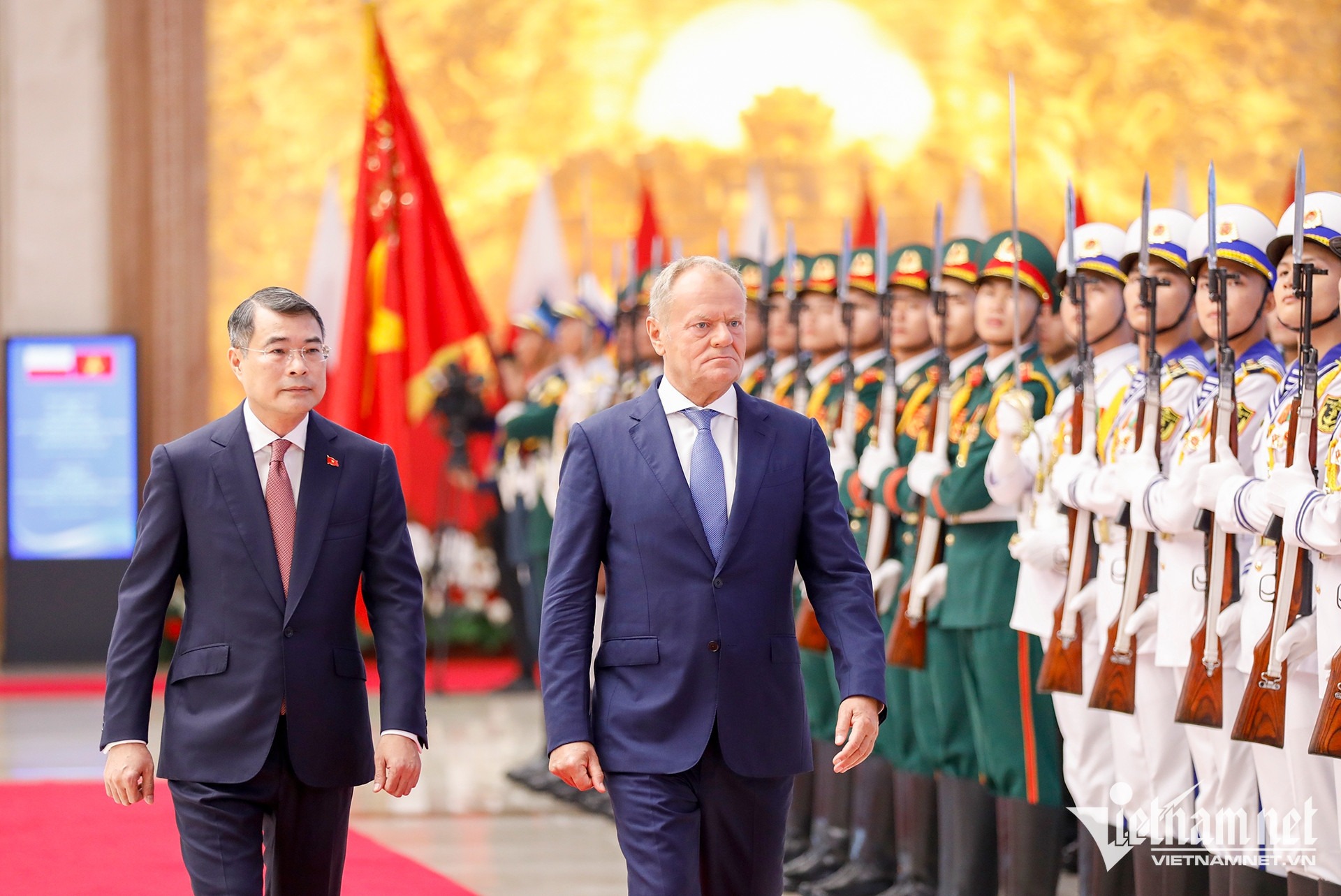
Polish Prime Minister Donald Tusk took an evening walk through Hanoi shortly after arriving in Vietnam, offering a relaxed moment during an official visit focused on relations between the two countries. According to a report published on Monday, October 26, Tusk changed out of his formal suit and into casual clothes before exploring the Vietnamese capital. The walk brought attention to the city’s streets and everyday atmosphere, while the visit itself provided an opportunity for both governments to discuss their political and economic relationship.
Official visits usually involve formal meetings, public ceremonies, and detailed discussions between government delegations. A walk through a capital city can offer a different view of the place, allowing a visiting leader to experience its public spaces and street life. Hanoi is known for its historic districts, busy roads, cafés, markets, and mixture of older buildings and modern development. The city’s daily rhythm can be seen in its street vendors, families out in the evening, and residents gathering in public areas.
Tusk’s visit comes as Vietnam and Poland seek closer relations. The two countries have maintained diplomatic ties for decades, and cooperation has included trade, education, science, and cultural exchanges. Visits by senior leaders can help renew those links and identify areas where cooperation may expand. Meetings between officials also allow both sides to discuss issues that affect businesses, students, and citizens, including investment opportunities and easier contact between the two societies.
For Hanoi, visits by foreign leaders can draw attention to the capital as a destination for diplomacy and tourism. International visitors often see the city through its historic landmarks and food culture, but its everyday life is also part of its appeal. Street markets, lakeside walks, local cafés, and neighbourhood restaurants provide a sense of how the city functions beyond official buildings. Such experiences can help visitors better understand the place they are visiting, although a short walk offers only a small view of a large and changing city.
Cultural contact can support diplomatic relations by helping people understand each other beyond government statements. Educational exchanges, tourism, and professional cooperation allow citizens to build connections that can last beyond a single visit. Students who study abroad may develop language skills and professional networks, while businesses can learn more about local markets and consumer needs. Cultural events can also help people discover differences and shared interests between societies.
Vietnam and Poland have opportunities to develop cooperation in areas such as trade, technology, education, and tourism. Turning diplomatic interest into lasting results requires practical follow-up, including agreements, business contacts, and programmes that make cooperation useful to people. Government meetings can set priorities, but companies, universities, and cultural organisations often play an important role in putting those priorities into practice.
Hanoi itself continues to balance preservation and modern development. The capital attracts visitors for its historic sites and cultural traditions, while new infrastructure and commercial activity are changing the city. Public spaces remain important places where residents and visitors can observe local life. Maintaining these spaces, improving transport, and protecting heritage can help the city remain attractive as it grows.
Tusk’s evening walk was a small moment within a larger diplomatic visit, but it highlighted the value of direct contact with a host city. The broader significance of the trip will depend on the agreements and practical cooperation that emerge from official meetings. Stronger relations between Vietnam and Poland could create opportunities for businesses, students, and cultural groups, while visits like this can help bring a human dimension to diplomacy between the two countries.
