




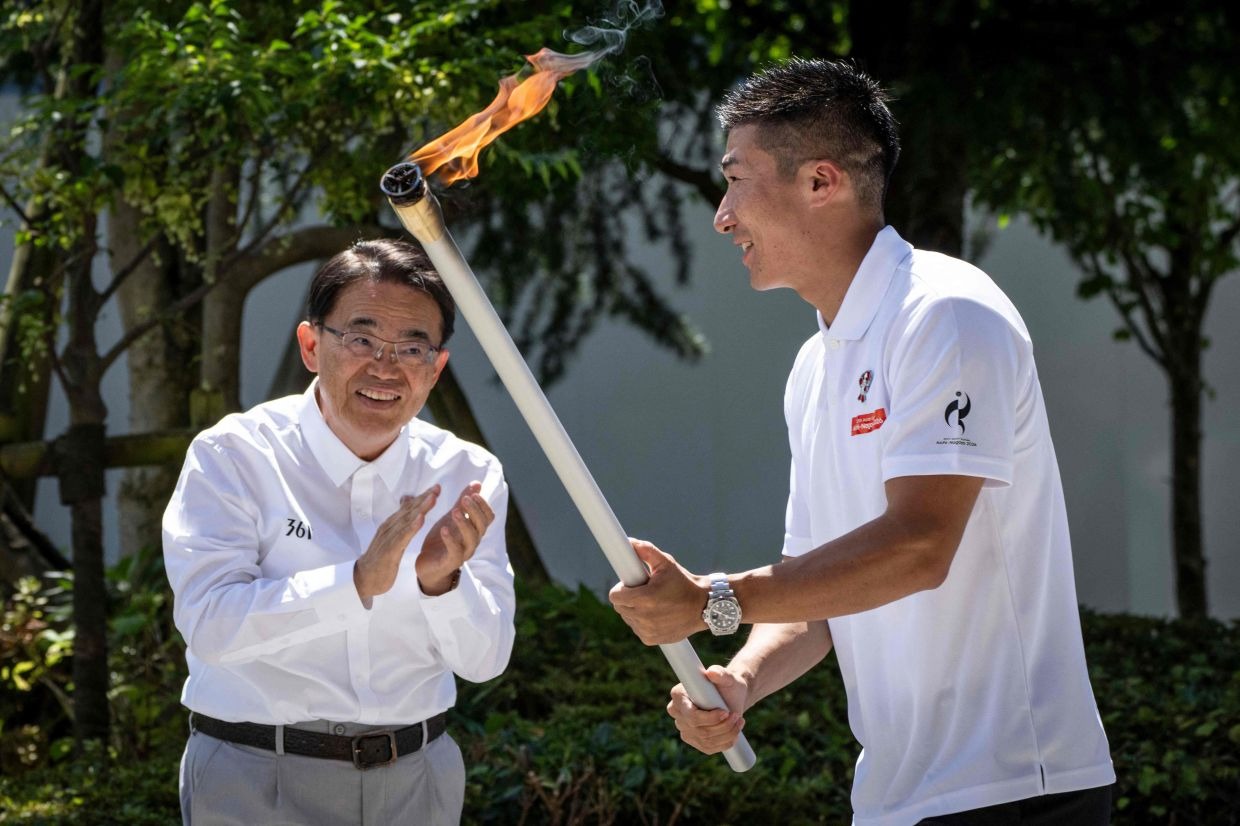
The 20th Asian Games open in Japan on Saturday evening. The ceremony takes place at the Paloma Mizuho Stadium in Nagoya. It runs from six to eight in the evening, local time. Athletes from 46 nations and territories will parade. The Games close on 4 October.
Aichi Prefecture and the city of Nagoya are sharing the hosting duties. This is the third time Japan has staged the event. Tokyo held it in 1958 and Hiroshima in 1994. The motto for this edition is Imagine One Asia. Organisers expect about 10,840 athletes.
The scale is vast. There are 469 medal events across 43 sports. Those sports cover 71 separate disciplines. Competition spreads over 54 venues. It is the second largest multi sport event in the world after the Summer Olympics.
Some events began before the ceremony. Football, basketball, volleyball, cricket and modern pentathlon started around 10 September. That early start is common at large games. It helps spread the load on venues. Medals in those sports will follow the usual schedule.
Vietnam has sent one of its largest teams. The delegation numbers 498 people, including 348 athletes. They will compete in more than 30 sports and disciplines. The list ranges from athletics and swimming to sepak takraw and esports. Breaking and mixed martial arts also feature.
The target has been set in public. Vietnam wants four to six gold medals. It also wants a place inside the top 20 of the medal table. That would be a sharp improvement. At the last Games in Hangzhou the country won a single gold.
A send off ceremony was held in Hanoi on 9 September. Deputy Prime Minister Pham Thi Thanh Tra addressed the squad. She urged them to aim beyond the set targets. She also asked them to act as cultural ambassadors. Most of the team travelled in the week that followed.
The approach behind the team has changed. Vietnam has adopted a sports strategy running to 2030 with a vision to 2045. Funding now concentrates on athletes judged able to win at continental and world level. That marks a shift from spreading money thinly. Officials say the results will take time.
Nguyen Hong Minh leads the delegation. He is a deputy director of the sports authority. He has said preparations began right after the last regional games. Coaches reviewed the athlete pool and picked priority names. Several were sent abroad for training.
China arrives as the dominant force in Asian sport. It has topped the medal table at every edition since 1982. Its swimmers, divers, shooters and table tennis players are among the best in the world. Many of its athletes use the Games as a step toward the next Olympics. The depth of the squad is unmatched in the region.
Japan will push hard as hosts. Home crowds tend to lift the level of performance. South Korea and India will also target large hauls. India has sent around 500 athletes. Its team wants to match or beat the 106 medals it won in Hangzhou.
Several sports carry an Olympic reward. Squash winners in the singles events will book a place at the 2028 Los Angeles Olympics. That raises the stakes in a sport new to the Olympic programme. Other events serve as ranking chances. Athletes treat the Games as a serious test rather than a warm up.
Kabaddi returns for a ninth straight appearance. Eleven nations have entered the men’s and women’s competitions. India are defending champions in both. Those matches run from 21 to 26 September. The sport draws big crowds across South Asia and beyond.
For fans in Vietnam and across the region, the next two weeks will be busy. Time zones are friendly for most Asian viewers. Finals are spread through each day, so there is rarely a quiet hour. The medal table will shift constantly. The first full day of action after the ceremony begins on Sunday.
