




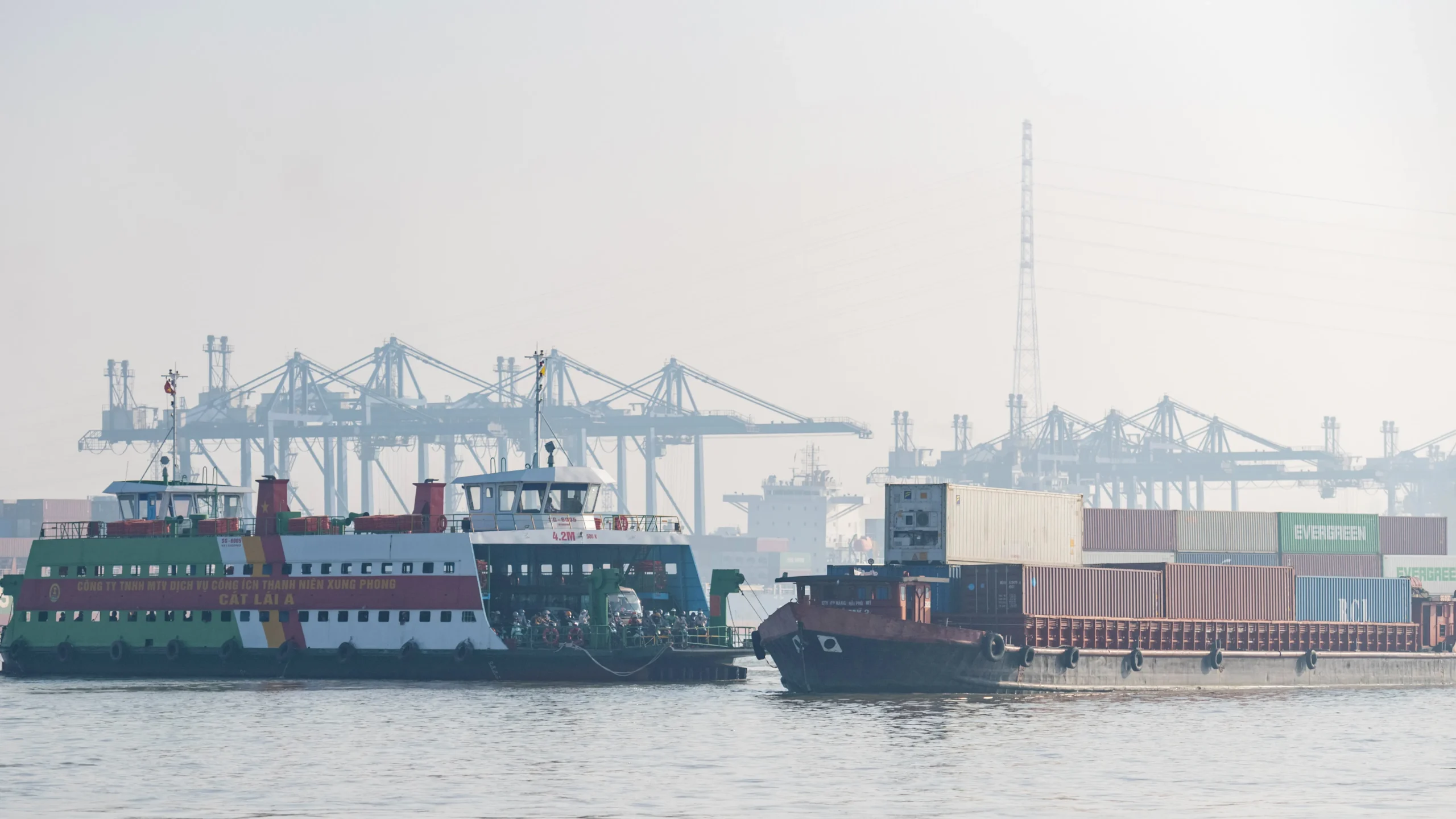
Vietnam’s export sector is gaining strength from rising demand for artificial intelligence-related products and strong foreign investment. International analysts see the country as one of Southeast Asia’s leading growth markets, although they have also warned about inflation and heavy reliance on overseas companies.
A major factor behind the recent export recovery is the global expansion of AI technology. Products linked to the AI supply chain have become an important part of Vietnam’s trade performance. A World Bank report found that AI-related goods contributed more than 70 percent of the country’s export growth.
Vietnam has also benefited from stronger trade with regional markets. Exports to members of the Association of Southeast Asian Nations increased by more than 12 percent during the first eight months of 2026. This has helped balance weaker demand from some traditional markets in Europe and North America.
Foreign direct investment has provided another source of support. Data from United Overseas Bank showed that registered foreign investment reached more than 50.36 billion US dollars during the first nine months of the year. This represented an annual increase of 76.4 percent.
Disbursed foreign investment reached 21.07 billion dollars, up 12.1 percent. These figures suggest that overseas companies continue to see Vietnam as an important location for production and long-term business activity.
The country’s public finances have also received positive attention. International financial institutions have noted that Vietnam’s public debt remains relatively low compared with several other economies. Government debt fell from 41.3 percent of gross domestic product in 2020 to 30.5 percent in 2025.
Several institutions have raised their growth forecasts for Vietnam. Standard Chartered expects growth of 9.5 percent in 2026, while United Overseas Bank has raised its forecast to 9.2 percent. These estimates place Vietnam among the region’s stronger performers.
However, experts say the country must address several risks. Around 70 percent of Vietnam’s total export value comes from foreign-invested companies. This means changes in global supply chains or investment decisions could affect the country’s trade performance.
Domestic companies also need to become more productive and better connected to international production networks. Stronger local suppliers could help Vietnam gain more value from foreign investment.
Inflation is another concern. Higher energy costs, domestic demand and rapid credit growth may place pressure on prices. Financial institutions have raised their inflation forecasts for 2026, making economic management more challenging.
Vietnam’s AI-led export growth offers a major opportunity, but long-term success will depend on more than foreign investment. Improving local business capacity, raising productivity and keeping inflation under control will be important as the country works toward its ambitious growth targets.
