




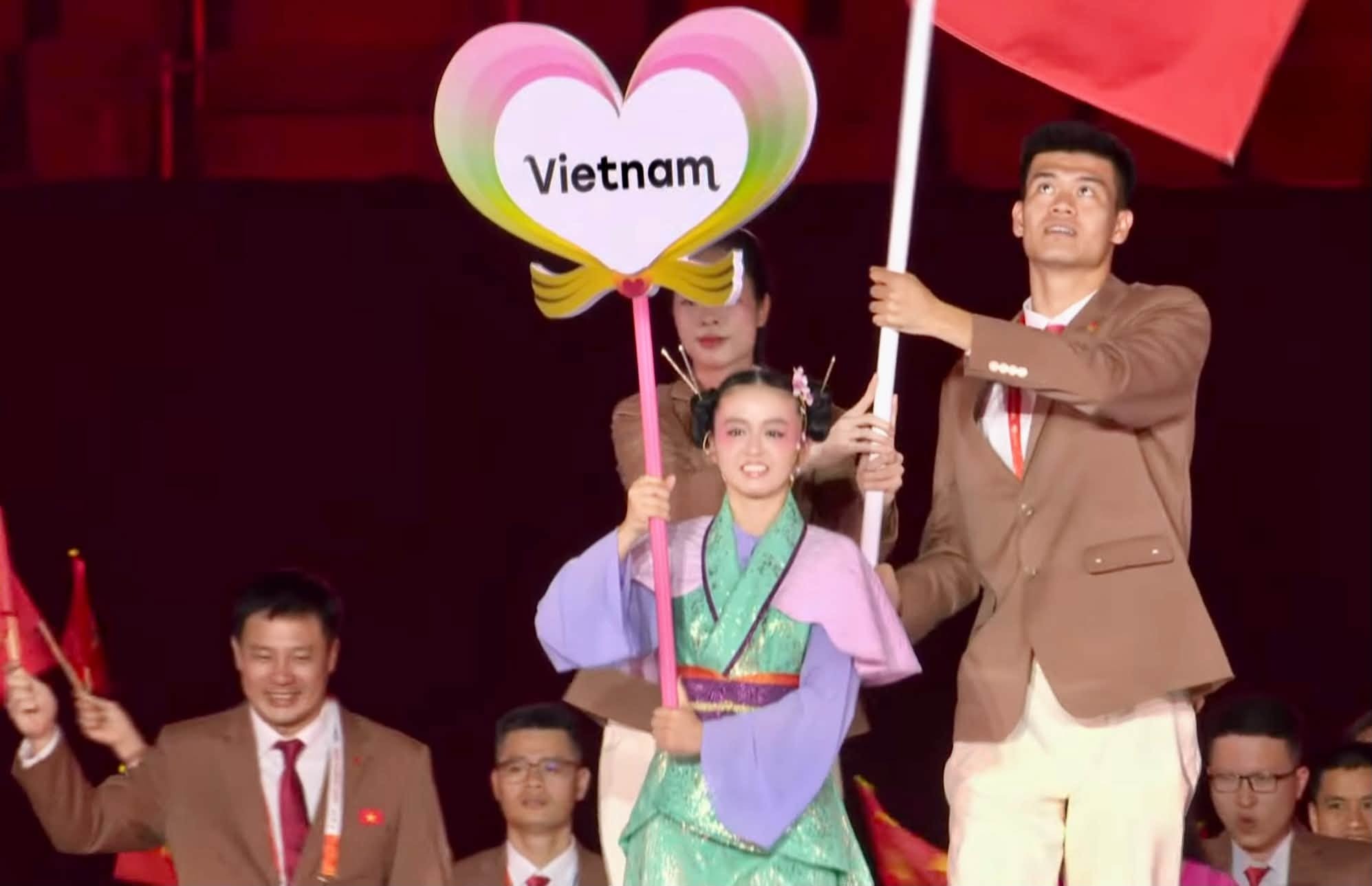
Vietnam’s athletes are entering the main competition phase of the 20th Asian Games in Japan after the country’s delegation took part in the opening ceremony in Nagoya. The ceremony was held on Saturday, September 19, while events continue across Aichi and Nagoya on Sunday, September 20.
The Asian Games bring together athletes from 45 countries and territories across Asia. Organizers have scheduled 43 official sports, 71 disciplines and 469 events. The large program means competitions are taking place across many venues and will continue through October 4, giving athletes several weeks of opportunities to compete.
Vietnam is represented across a range of sports. The opening ceremony gave the delegation a formal start to the event, while some competitions had already begun before the ceremony because of the size of the schedule. Athletes must now manage travel, recovery and competition demands as their individual events approach.
The Asian Games provide an important continental test for Vietnam. Competitors face strong athletes from countries with large sports programs and deep experience at international events. In many disciplines, small differences in preparation, technique and concentration can decide medals.
Vietnam has traditionally looked to sports such as athletics, swimming, martial arts and team competitions for strong results. The current Games also include newer and developing disciplines, giving Vietnamese athletes opportunities to compete in a broad range of events and gain experience against different styles of opponents.
For younger athletes, the competition is also a learning opportunity. A major continental event can teach athletes how to handle pressure, international travel, unfamiliar opponents and long competition schedules. Those lessons can be valuable before future world championships and Olympic events.
The Japanese hosts have prepared a large multi-city program. Athletes must move between venues while maintaining training and recovery routines. Coaches and support staff therefore have an important role in managing schedules, nutrition and rest during the long competition period.
Vietnamese sports officials have emphasized strong competition and fair play. The delegation’s goals include challenging for medals, but the Games also provide a measure of how the country’s sports programs compare with other Asian systems. Results can help identify areas where training and development need to improve.
Competition will now take center stage. With hundreds of events still to come, Vietnamese athletes have many chances to challenge for medals, gain experience and represent their country. The opening ceremony has passed, and the focus for Vietnam is now on performances across the venues of Aichi and Nagoya.
The opening of the Games also gives Vietnamese supporters a chance to follow athletes across a large international stage. Television and digital coverage will allow audiences at home to track results, while the delegation’s presence in Japan gives younger competitors the experience of representing their country at a major continental event.
The long schedule means success will depend on how athletes manage the entire competition, not only one event. Recovery, travel and preparation between rounds can be as important as performance on the field of play. Coaches will need to keep athletes ready while adapting plans as results and schedules change.
For Vietnam, the Asian Games are therefore both a medal opportunity and a development test. Strong performances can bring attention to successful training programs, while difficult results can show where more work is needed. With competition continuing until October 4, the delegation has plenty of time to make its mark.
Sunday is only the beginning of the main competition period. Results from the coming days will provide the clearest picture of Vietnam’s performance. Athletes will now move from ceremonies and preparation to the direct challenge of competing against some of Asia’s strongest sports programs.
The coming days will also show which Vietnamese sports can deliver the strongest results. Early performances can build confidence for later events, while athletes who miss out on medals can still gain valuable experience. With the competition spread across many disciplines, the delegation will remain active throughout the Games and continue representing Vietnam on the Asian stage.
