




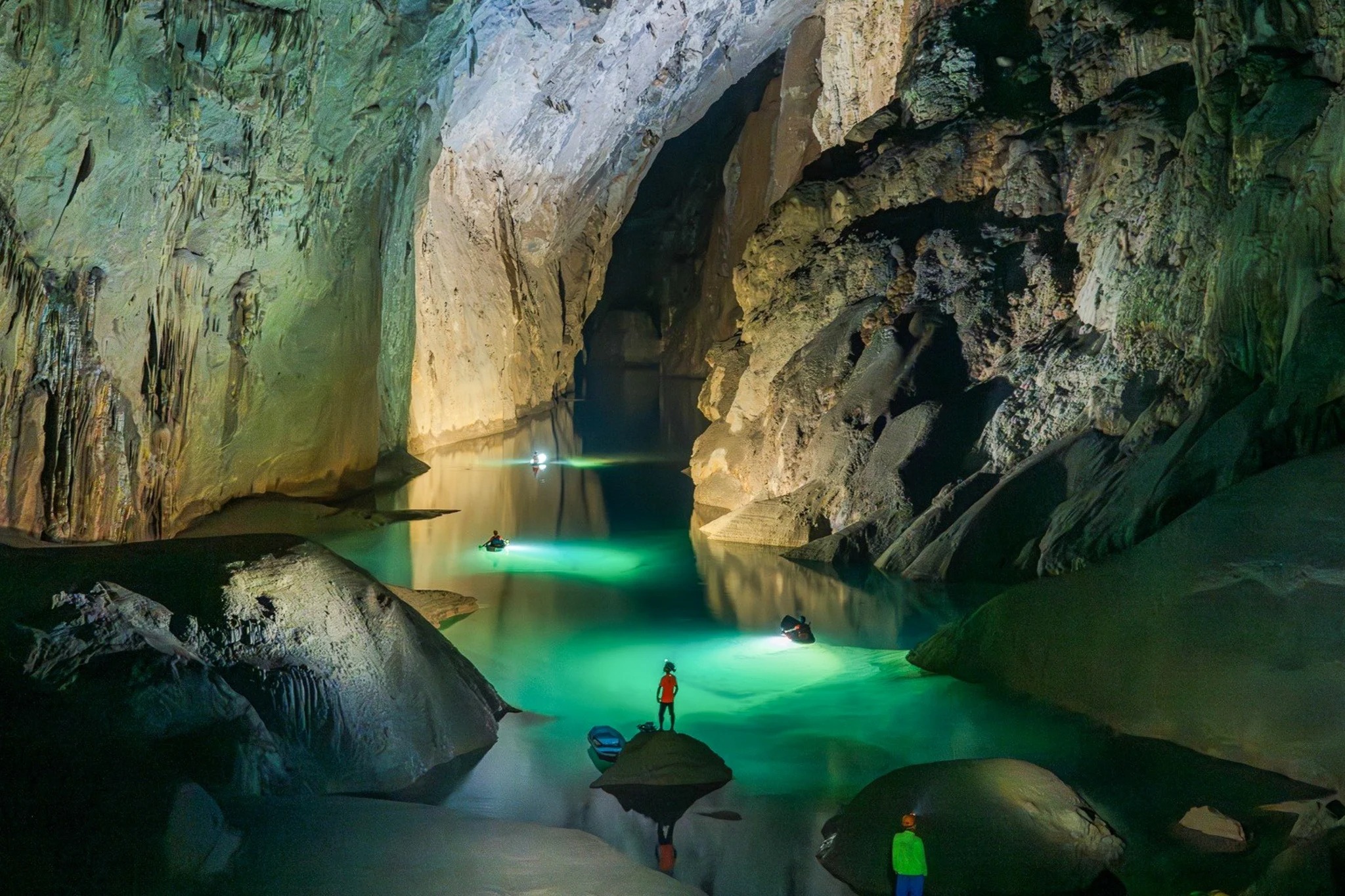
Vietnam’s Phong Nha Ke Bang destination has gained international recognition after winning two honours at the World Travel Awards 2026. The recognition is drawing fresh attention to the country’s nature tourism sector and the role of Phong Nha Ke Bang in promoting Vietnam as a destination for international travellers.
Phong Nha Ke Bang is known for its dramatic limestone landscape, caves, forests and natural environment. The destination has become one of Vietnam’s best-known places for adventure and nature-based tourism. Its international recognition adds to the country’s efforts to develop tourism products beyond traditional city and beach holidays.
The awards are important because international travel awards can help destinations gain visibility among tourists who are searching for new places to visit. Recognition from an international organisation can also support local tourism businesses, including hotels, restaurants, guides and transport providers.
Vietnam has been placing increasing attention on tourism as an economic growth area. International arrivals and domestic travel have expanded, while authorities are looking for ways to encourage visitors to stay longer and spend more across local communities. Nature tourism is one area with potential to support that goal.
Phong Nha Ke Bang offers a different experience from major Vietnamese cities. Visitors can explore caves, rivers, mountains and forest areas while taking part in outdoor activities. This gives the destination a strong position in the growing market for adventure and wellness travel.
The challenge is balancing tourism growth with environmental protection. Natural destinations can be damaged when visitor numbers rise without careful management. Waste, transport, construction and pressure on ecosystems all need to be considered as tourism expands.
For local communities, tourism can create jobs and new sources of income. Guides, accommodation providers, food businesses and transport operators can all benefit from increased visitor numbers. Tourism can also encourage investment in roads, public services and visitor facilities.
The international recognition may therefore have an effect beyond the awards themselves. More tourists may become interested in visiting the destination after seeing it included in international travel coverage. However, the long-term value will depend on how tourism is managed and how much benefit reaches local communities.
Vietnam has also been developing new tourism products in other regions. Historic towns, cultural sites, beaches and mountain areas are being promoted alongside traditional destinations. This wider approach can help spread tourism spending across different parts of the country.
Phong Nha Ke Bang has a particularly strong cultural and environmental identity. Its caves and geological formations are major attractions, while the surrounding landscape supports a wide range of plant and animal life. Tourism authorities therefore have an interest in maintaining the destination’s natural character.
The World Travel Awards recognition gives Vietnam another opportunity to promote that identity internationally. It also comes as the country seeks to make tourism a larger part of its economic development strategy.
For travellers, the awards may encourage greater interest in Phong Nha Ke Bang during future trips to Vietnam. For businesses, they provide another reason to develop services around nature and adventure tourism.
The September 29 attention on Phong Nha Ke Bang shows how Vietnam’s tourism industry is expanding beyond familiar destinations. International recognition can help bring new visitors, but protecting the natural environment will remain essential as the number of tourists grows.
The latest awards therefore represent both an achievement and an opportunity for the region. Vietnam can use the international attention to promote Phong Nha Ke Bang while continuing to develop tourism in a way that protects the landscapes that make the destination attractive in the first place.
