




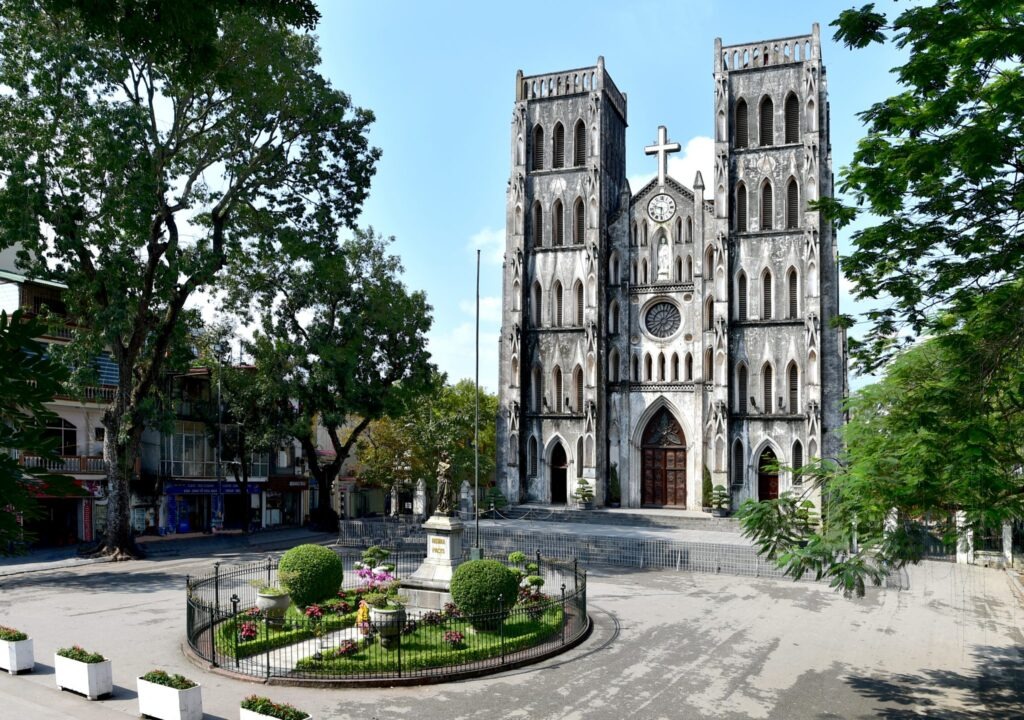
Hanoi is continuing to place greater attention on heritage, culture and public life as the Vietnamese capital develops its long-term vision for the city. Current discussions include efforts to improve urban life while protecting the historical identity that makes Hanoi different from other major cities in Vietnam.
The capital has a large number of historic buildings, cultural sites, museums and traditional neighbourhoods. These places are important not only for tourism but also for residents who want to maintain a connection with the city’s history.
Hanoi’s heritage has increasingly become part of discussions about urban development. As the city grows, authorities face the challenge of improving roads, housing, public services and transport while keeping important historic areas protected.
Cultural heritage can also support education. Students can learn about history through visits to museums, monuments and historic locations rather than relying only on classroom lessons. This can make local history more familiar and meaningful to younger generations.
The city is also looking at ways to make cultural spaces more attractive to residents and visitors. Modern exhibitions, creative events and digital tools can help introduce historical subjects to audiences who may not normally visit traditional museums.
At the same time, heritage protection requires careful planning. Older buildings can be vulnerable to damage from weather, traffic, pollution and construction. Restoration projects therefore need to balance modern safety standards with the preservation of historic features.
Hanoi’s cultural identity is also connected to its public spaces. Streets, lakes, markets and historic districts form part of the city’s character. Improving these spaces can make them more useful for residents while also creating stronger experiences for visitors.
The social value of heritage is particularly important. Historic sites can provide places where communities meet, learn and celebrate cultural traditions. They can also help younger people understand how Hanoi developed over time.
Tourism adds another dimension. International and domestic visitors often come to Hanoi because of its combination of history, food, architecture and daily city life. Protecting cultural areas can therefore support both social and economic goals.
However, tourism development can create pressure. Popular historic areas may become crowded, and commercial activity can sometimes change the character of traditional neighbourhoods. City planners must therefore consider how development affects residents as well as visitors.
The capital’s long-term urban plans also place attention on quality of life. Vietnam News has highlighted a wider vision for Hanoi that includes improvements in governance, science and technology, green development, culture and public services.
This approach suggests that culture is being considered as part of urban development rather than as a separate activity. Heritage sites, public spaces and cultural programmes can contribute to the overall experience of living in the city.
For young residents, the challenge is making heritage relevant to modern life. Digital tools, creative programmes and interactive activities can help bridge that gap. Instead of presenting history only through old displays, cultural institutions can create experiences that connect the past with current interests.
Hanoi’s heritage story is therefore about more than preserving old buildings. It also involves protecting traditions, supporting education and giving residents opportunities to experience the city’s history.
As Hanoi continues to grow, the balance between development and heritage will remain important. The city needs modern infrastructure and services, but its historical character is also a major part of its identity.
The September 29 focus on Hanoi’s cultural direction reflects that wider challenge. The capital is trying to build a modern city while maintaining the places, traditions and stories that connect present-day residents with earlier generations.
