




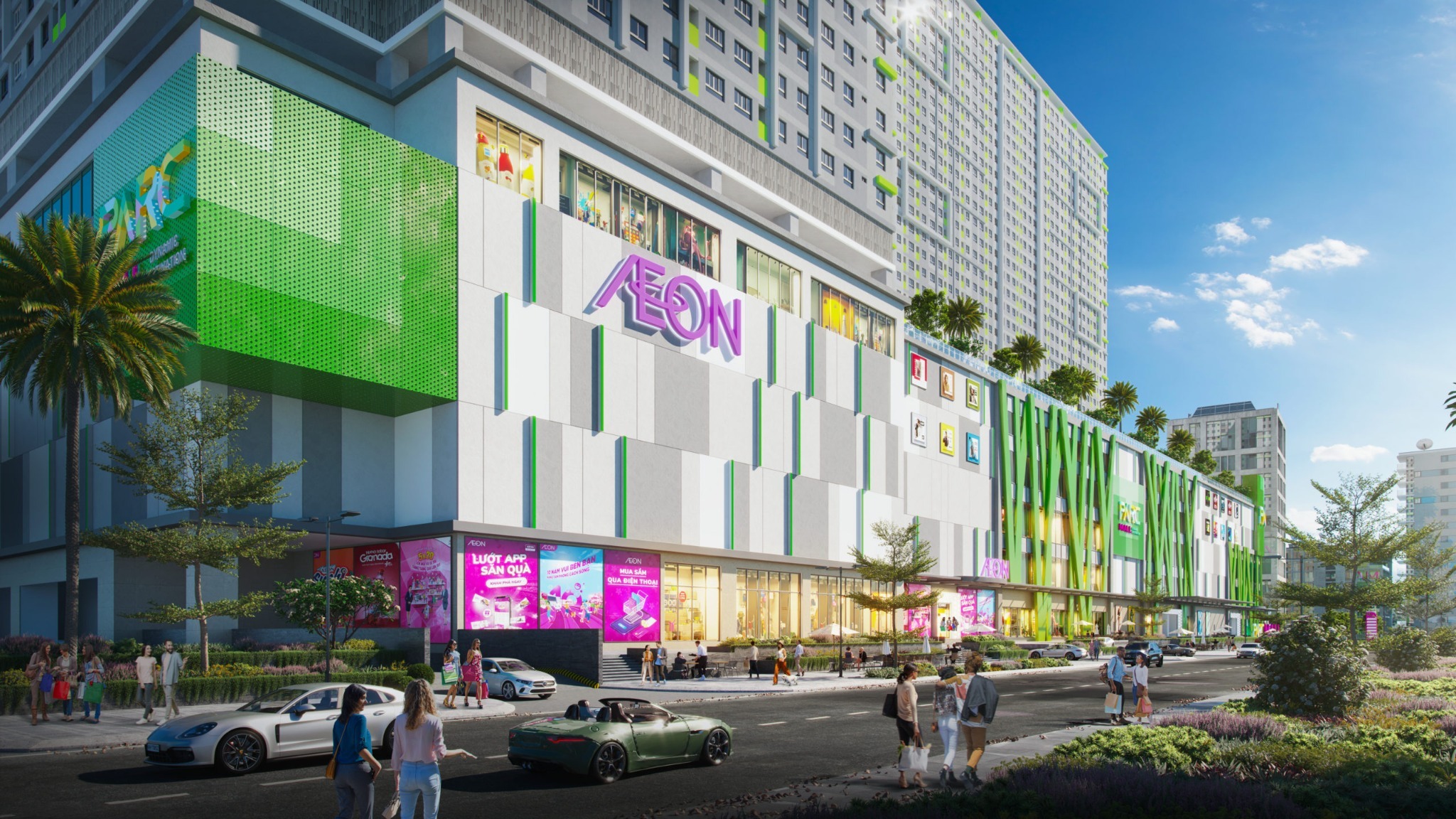
Japan’s Aeon Corporation is planning a major expansion in Vietnam, identifying the country as one of its most important markets in Asia. The company aims to generate more than 300 billion Japanese yen, or about $1.9 billion, in operating revenue from Vietnam by March 2031. The target is around 2.5 times the company’s forecast for fiscal 2026.
The expansion includes plans to significantly increase Aeon’s retail network. The company intends to expand its supermarket operations, including MaxValu stores, from around 60 outlets to about 300. Aeon also plans to allocate around 60 percent of its Southeast Asian investment to Vietnam, showing the importance of the Vietnamese market in its regional strategy.
Vietnam’s growing population and rising consumer purchasing power are among the factors attracting Aeon. The company sees the country’s young population and expanding urban areas as important opportunities for retail growth. More apartment developments and suburban communities are also creating demand for stores closer to residential areas.
Aeon entered Vietnam in 2014 and has since expanded through shopping malls, supermarkets and convenience stores. By February 2026, the company operated 302 outlets in the country, including shopping malls, supermarkets and Ministop convenience stores. The company plans to increase its shopping mall network to 30 by the end of fiscal 2030.
The expansion is also linked to changes in Vietnamese consumption. As incomes rise and cities become more developed, consumers are increasingly using modern retail channels. Supermarkets and shopping centres offer a wide range of food, household goods and other products in one location.
Aeon also sees Vietnam as a production and sourcing base. The company wants to increase the share of private-label products in its portfolio and source more goods from Vietnamese manufacturers for markets including Japan. This could create opportunities for Vietnamese suppliers that can meet Aeon’s quality and production requirements.
Private-label products are goods sold under a retailer’s own brand. Increasing sourcing from Vietnam could therefore connect local manufacturers more closely with Japanese consumers. It may also encourage Vietnamese companies to improve production standards and develop longer-term export relationships.
The company is also developing its customer ecosystem. Aeon’s Waon loyalty programme has attracted around four million members since its wider rollout in Vietnam in 2025. The company wants to increase membership significantly by 2030 and is also planning financial services for the Vietnamese market.
The retail expansion comes as other international companies also increase their presence in Vietnam. Thailand’s Central Retail plans to expand its supermarket network, while Vietnamese retailer Masan Group has its own long-term plans for WinMart+. Japanese retailers such as Takashimaya and FamilyMart are also seeking growth.
Competition could therefore increase as more companies target Vietnamese consumers. Retailers will need to provide competitive prices, convenient locations and reliable products while adapting to local preferences.
For Vietnam, foreign retail investment can create jobs and increase demand for domestic suppliers. Shopping malls and supermarkets can also contribute to urban development by creating new commercial areas.
However, rapid retail expansion also changes the competitive environment for smaller businesses. Traditional markets and independent shops remain important in Vietnam, and large retail chains must compete with these established forms of shopping.
Aeon’s plan therefore represents more than a simple increase in the number of stores. It connects retail investment with supply chains, manufacturing, digital loyalty systems and future financial services.
The September 30 announcement gives a clear indication of the company’s long-term expectations. Aeon is planning to more than double its retail presence in some areas while increasing the value of its Vietnamese operations substantially.
For Vietnam’s economy, the expansion provides another example of international companies treating the country as both a consumer market and a production base. The success of the plan will depend on consumer demand, competition, infrastructure and Aeon’s ability to adapt its business model to Vietnam.
The company says Vietnam will remain a priority market through the end of the decade. Its planned investment and store expansion could therefore become an important part of the country’s changing retail landscape.
