




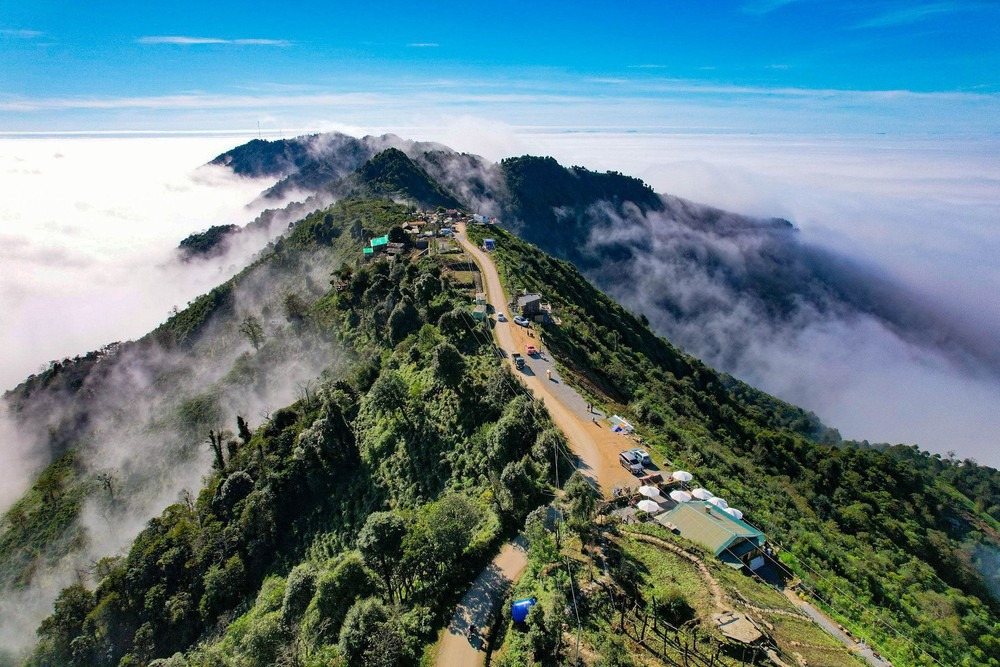
Ta Xua in Vietnam’s northwestern Son La province has been named Asia’s Leading Emerging Tourism Destination for 2026 at the World Travel Awards. The recognition was reported on September 30, bringing fresh international attention to the mountainous destination and its natural landscapes, local culture and adventure tourism activities.
Ta Xua has become increasingly popular among young travellers, especially visitors interested in mountains and the area’s famous sea of clouds. The destination is located at an altitude of more than 1,500 metres, with some areas rising above 2,000 metres. Its high elevation gives the region a cooler climate and distinctive mountain scenery.
Several natural attractions have helped Ta Xua develop its tourism identity. These include the Dinosaur Spine, Windy Peak, Ta Xua grassland and forest trekking routes. Visitors travel to the area for hiking, photography, cloud watching and other outdoor activities.
The destination also has an important cultural dimension. Ta Xua is home to communities of the Mong ethnic group, whose traditions are reflected in architecture, clothing, food, handicrafts and daily life. Visitors can experience activities such as traditional flax weaving, indigo dyeing and beeswax batik.
Tea is another important part of the region’s identity. Ta Xua is known for ancient Shan Tuyet tea plantations. The tea has economic value for local communities, but the plantations can also form part of tourism experiences. Visitors can learn about tea production and the agricultural traditions of the highlands.
The World Travel Awards recognition is significant because Ta Xua was entering the category for the first time. Vietnam had two destinations nominated in the category, with Ta Xua and Ninh Binh competing against destinations from other parts of Asia. Ta Xua ultimately received the 2026 award.
Tourism has already grown in the area. According to the Ta Xua commune People’s Committee, the destination welcomed an estimated 56,000 visitors during the first six months of 2026. That represented 46.7 percent of the annual target and generated around 54 billion Vietnamese dong, or more than $2 million, in tourism revenue.
For the full year, Ta Xua aims to attract about 120,000 visitors and generate around 120 billion dong in tourism revenue. The new international recognition could help the destination reach those targets by increasing awareness among foreign and domestic travellers.
However, tourism growth also creates challenges. Mountain environments can be sensitive to construction, waste and large numbers of visitors. Local authorities therefore need to balance tourism development with environmental protection.
The destination is already working on sustainable tourism. Plans include improving infrastructure, strengthening connections with travel companies and maintaining the natural landscape and local cultural identity.
This approach is particularly important because Ta Xua’s attraction depends heavily on its environment. The mountains, forests, cloud formations and traditional communities create the experience visitors come to see. Excessive development could reduce some of the qualities that make the area attractive.
Tourism can also provide new income for local communities. Accommodation, food services, guiding, transport, handicrafts and agricultural experiences can all create opportunities when visitor numbers increase.
The award may encourage more businesses to invest in the region, but development needs to be managed carefully. Better roads and services can make travel easier, while local residents need to remain involved in decisions about tourism.
For Vietnam, the Ta Xua award also supports a wider effort to diversify tourism. The country has major beaches, cities and historic destinations, but mountain and community-based tourism can provide different experiences for travellers.
The September 30 announcement therefore gives Ta Xua a new international platform. The destination has moved from being mainly known among Vietnamese trekking and cloud-hunting enthusiasts toward gaining wider recognition across Asia.
The next challenge will be maintaining the quality of the visitor experience as tourism grows. Protecting the landscape and respecting local culture will be essential if Ta Xua wants to turn the award into long-term tourism development.
For travellers looking for a different side of Vietnam, Ta Xua now has a stronger international profile. Its combination of mountain scenery, adventure activities, Mong culture and tea traditions makes it one of the country’s emerging nature tourism destinations.
