




Hanoi is setting a new target to increase rural incomes by 2030 while continuing to improve healthcare, local products and rural development. VietnamPlus reported on Wednesday, September 30, that the capital aims to raise average rural per capita income to at least 135 million Vietnamese dong, equal to about $5,163, a year by 2030.
The target is part of Hanoi’s wider rural development strategy. The city is looking to increase household incomes while improving the quality of rural services and strengthening the economic base of villages and communes.
Agriculture remains an important part of rural life, but Hanoi’s rural economy has changed as the capital has expanded. Many communities now combine farming with small businesses, food production, tourism and other services. Developing several sources of income can make rural economies less dependent on one activity.
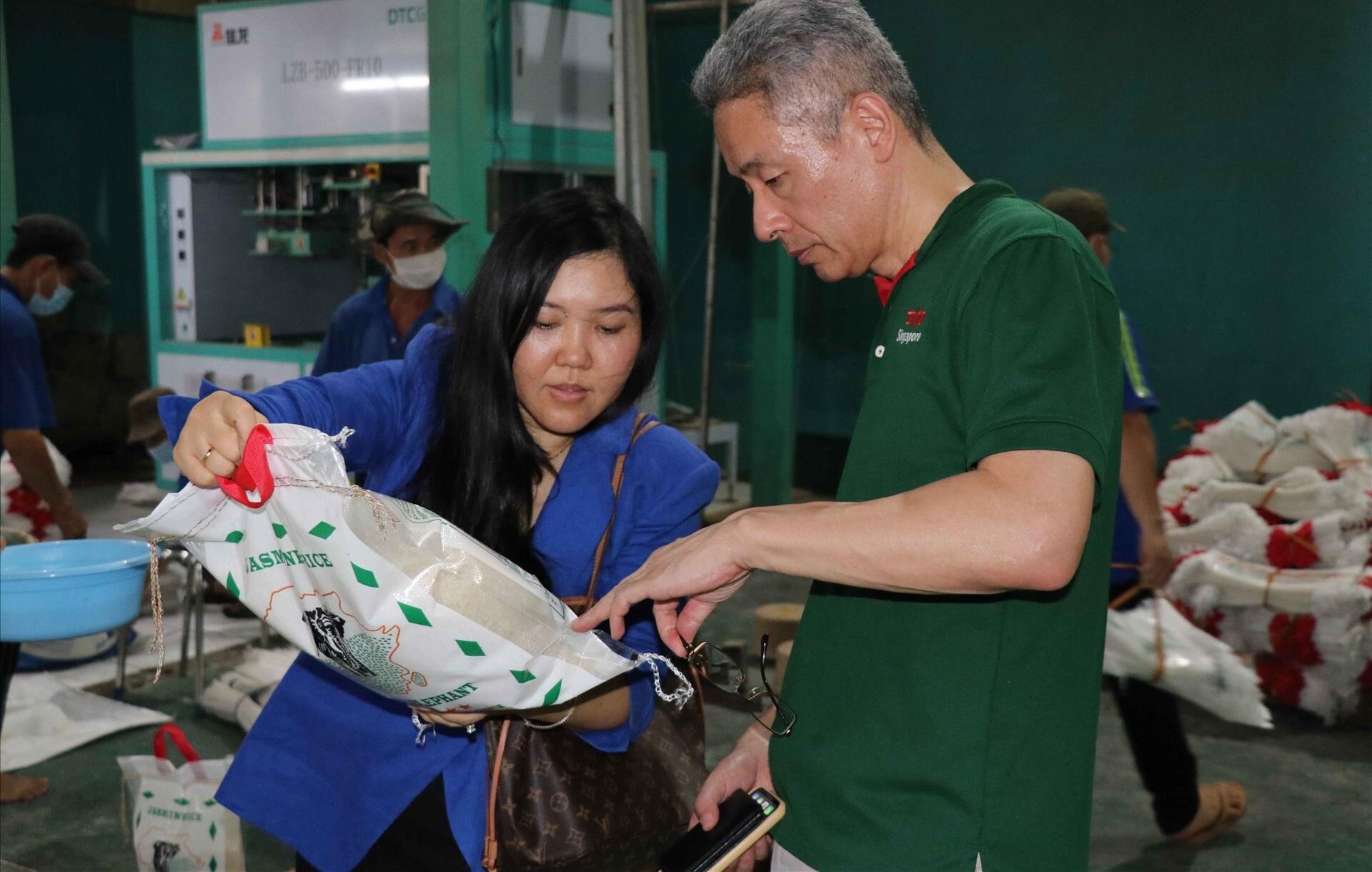
The city’s plan also focuses on OCOP products. The One Commune One Product programme promotes local goods and encourages communities to develop products based on local resources and skills. These products can include food, handicrafts, agricultural goods and other items connected with local traditions.
Improving the quality of OCOP products can help rural businesses reach larger markets. Better packaging, production standards and marketing can make it easier for small producers to sell products outside their immediate communities.
Digital commerce can also create new opportunities. Rural producers can use online platforms to reach consumers in Hanoi and other parts of Vietnam. This can reduce some of the barriers created by distance and allow small businesses to build wider customer bases.
Healthcare is another major part of the plan. Hanoi aims to achieve full health insurance coverage among rural residents. Access to healthcare is an important measure of rural quality of life because households can face significant financial pressure when medical costs are high.
Improving rural healthcare also requires more than insurance coverage. Medical facilities, trained staff and access to treatment all affect the quality of services available to residents. The city’s long-term approach therefore links economic development with public services.
Rural infrastructure is another important factor. Roads, transport, water systems and digital connectivity can help communities access markets, schools, hospitals and employment opportunities.
Hanoi’s rural development strategy also reflects the city’s changing geography. As the capital expands, some areas that were once mainly agricultural are becoming connected to urban markets. This creates new economic opportunities but also increases pressure on land and traditional rural communities.
Tourism can provide another source of income. Villages with distinctive food, crafts, architecture or cultural traditions can develop visitor experiences. However, tourism needs to be managed so that local communities benefit while traditional culture and the environment are protected.
The 135 million dong income target therefore represents more than a financial number. It is connected to a broader effort to improve living standards in rural areas and make rural development more sustainable.
The city will need to support businesses and farmers while also creating opportunities outside traditional agriculture. Training, infrastructure and access to finance can help rural households adapt to changing economic conditions.
Local products can play a major role because they connect economic development with local identity. When communities build successful products around agriculture or traditional skills, income can remain within the local economy.
The health insurance goal also gives the programme a social dimension. Economic development is more meaningful when households have access to basic public services and protection against major costs.
For Hanoi, the challenge will be implementing the plan across many rural communities with different needs. Some areas may have stronger tourism potential, while others may depend more heavily on agriculture or manufacturing.
The September 30 report provides a clear long-term target, but reaching it will require sustained investment and local participation. Rural residents, businesses and authorities will all play roles in achieving the goals.
Hanoi’s plan shows how the capital is trying to develop its rural areas alongside its urban centres. Higher incomes, stronger local products and wider healthcare coverage are being treated as connected parts of the city’s development strategy.
By 2030, the city aims for rural residents to have higher incomes and better access to services. The September 30 announcement therefore places rural quality of life at the centre of another stage of Hanoi’s long-term development.
