




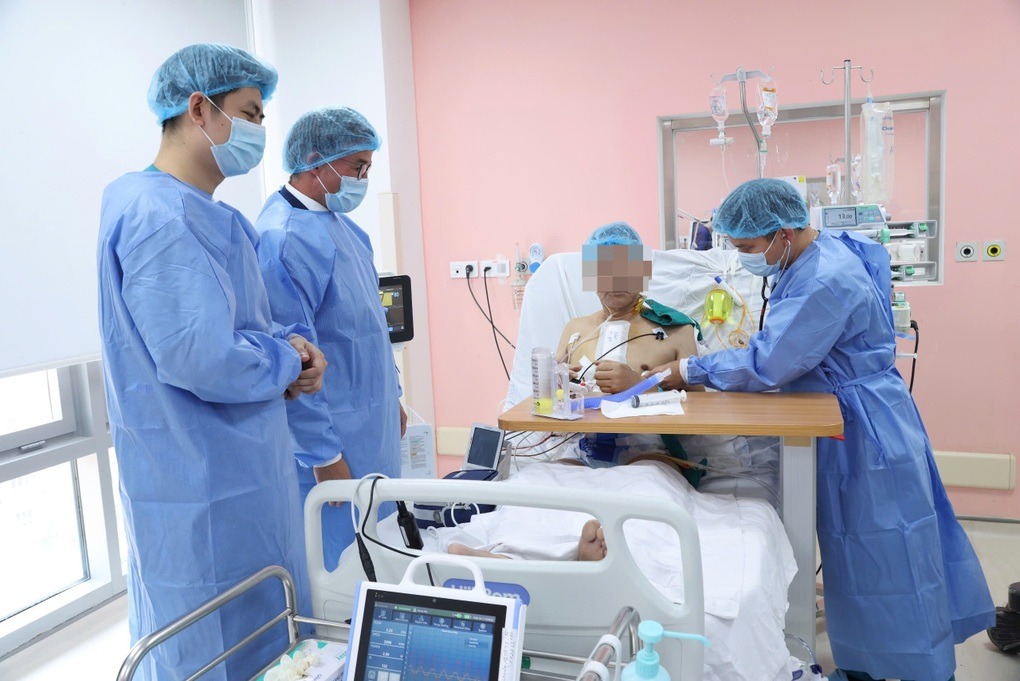
Vietnam has recorded its first successful implantation of the CorHeart 6 left ventricular assist device, marking a new development in the country’s use of advanced mechanical heart support technology. The procedure was carried out in September 2026 at 108 Military Central Hospital for a patient with severe heart failure. The development was highlighted in Vietnam’s current technology news as a step forward in treatment options for patients awaiting heart transplantation.
The CorHeart 6 is a left ventricular assist device, commonly known as an LVAD. Such devices help the heart pump blood when the left side of the heart is too weak to provide sufficient circulation on its own.
Severe heart failure can make normal daily activity difficult and can become life-threatening when the heart cannot pump enough blood. For some patients, mechanical circulatory support can provide additional time while doctors consider longer-term treatment options.
The successful procedure in Vietnam is important because advanced heart-support devices require specialised medical teams. Doctors need training in the surgical procedure as well as experience managing patients before and after implantation.
The technology can also provide another option for patients who are waiting for heart transplantation. Donor hearts are limited, meaning that patients can sometimes face long waiting periods.
An LVAD can support circulation during that waiting period. In some cases, mechanical heart support can also be used as longer-term treatment, depending on the patient’s condition and medical assessment.
The first successful CorHeart 6 implantation in Vietnam demonstrates the growing ability of Vietnamese hospitals to use advanced medical devices. It also reflects wider development in the country’s medical technology sector.
Modern heart-support devices are becoming more sophisticated. Earlier generations of LVADs were large and complex, while newer systems are designed to provide continuous blood flow and operate for extended periods.
However, implantation is a major medical procedure and requires careful patient selection. Doctors must consider the patient’s heart condition, other illnesses and ability to manage the device after surgery.
Patients with LVADs also require continuing medical care. The device needs monitoring, and patients generally need to follow detailed instructions about medication, infection prevention and daily activities.
The procedure therefore does not represent a simple cure for heart failure. Instead, it provides mechanical support to help the heart circulate blood.
For Vietnam, the development could expand the country’s capacity to provide advanced cardiac treatment without requiring patients to travel abroad for every complex procedure.
Hospitals need trained teams, specialised equipment and follow-up services to make such treatments successful. The experience gained from the first procedure can therefore help doctors develop expertise for future patients.
Medical technology also requires cooperation between clinicians, engineers and manufacturers. Devices such as LVADs combine medicine, electronics, materials science and mechanical engineering.
The success at 108 Military Central Hospital therefore has relevance beyond cardiology. It shows how Vietnamese medical institutions are becoming more capable of adopting complex technologies.
Research and training will remain important as hospitals begin using more advanced devices. Doctors need to understand not only how to implant the equipment but also how to manage complications and long-term patient care.
The development is particularly relevant as cardiovascular disease remains a major health challenge worldwide. Better treatments can help patients live longer and maintain a better quality of life.
The September 28 reporting does not mean the technology is now widely available throughout Vietnam. The first successful procedure is an initial milestone, and wider use will depend on medical capacity, cost, training and regulatory processes.
Nevertheless, the procedure provides evidence that Vietnamese hospitals are expanding their ability to perform advanced cardiac interventions.
For Hanoi’s medical sector, 108 Military Central Hospital’s achievement is an important example of the growing role of high-technology medicine. It also gives doctors experience with a device that could provide additional support for patients with severe heart failure.
The successful CorHeart 6 implantation is therefore a significant medical technology development for Vietnam. It adds another treatment option for selected patients and demonstrates progress in mechanical circulatory support inside the country’s healthcare system.
