




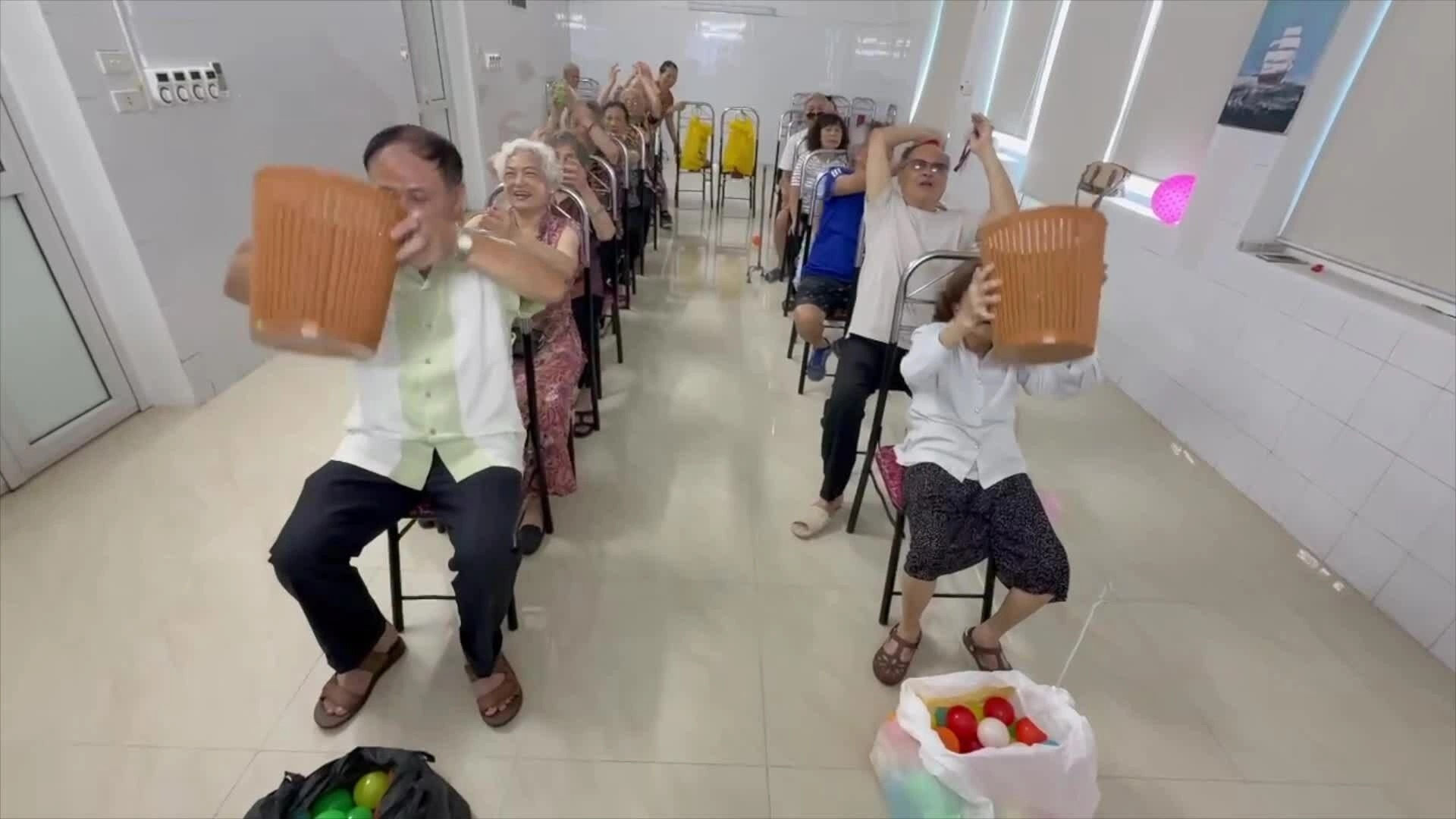
A public daytime care centre for older people in Hanoi has quickly reached capacity after only a few months of operation, highlighting growing demand for senior support services in the capital. The centre in Quoc Oai has attracted more elderly residents than expected, with families placing their names on waiting lists. The development was reported by VnExpress on October 5.
The centre opened in July as a public daytime care model designed to provide support for older people while allowing them to return home later. The idea offers an alternative to full-time residential care. Older residents can spend the day at the facility, take part in activities and receive assistance before returning to their families.
The rapid demand suggests that some families are looking for new ways to care for elderly relatives. Hanoi is changing as more people live in smaller households and working-age family members spend long hours at work. In such situations, relatives may want professional support during the day while still keeping older family members connected to their homes and communities.
The centre has already made a noticeable difference for some residents. VnExpress reported on the experiences of 89-year-old Tran Thi Can and 87-year-old Nguyen Van Khanh, who have attended regularly since the facility opened. Before joining the programme, much of their daily life was spent at home with limited activity.
Khanh’s routine reportedly changed after he began attending the centre. He had previously preferred to remain in one place and did not interact much with others. At the facility, he began exercising with assistance and taking part in activities. His family noticed changes in his mood and level of engagement.
The example shows why daytime care can be important even when older people do not require full-time residential support. Regular activity can provide structure to the day and give older people opportunities to interact with others. Exercise and social activities may also help maintain independence, although individual needs vary.
For families, the model can also provide practical support. Relatives can continue working or managing other responsibilities while knowing that an older family member is receiving care during the day. The arrangement may reduce some of the pressure that families experience when they have to provide constant supervision.
The growing waiting list also points to a wider issue. Vietnam’s population is ageing, creating greater demand for healthcare, social services and elderly care. Hanoi, as one of the country’s largest urban centres, is likely to experience these changes strongly. More families may need services that did not exist or were less common in the past.
Public care facilities can help address the problem, but they may not be enough on their own. The number of older people is increasing, and care needs can vary widely. Some elderly people need medical assistance, while others mainly need companionship, exercise and help with daily activities.
Cost is another important consideration. Private elderly care can be expensive, making public facilities particularly valuable for families with limited incomes. If demand continues to grow, authorities may need to expand the number of public centres or create partnerships with other organisations that provide care services.
The experience in Quoc Oai could also provide useful information for Hanoi’s wider social policy. Officials can observe which activities are most helpful, how many staff members are needed and what types of services families request. The results could influence future programmes in other parts of the capital.
The centre also demonstrates that elderly care does not have to mean moving permanently into a residential facility. Daytime services can allow older people to receive assistance while remaining part of their families and neighbourhoods. This model may become more important as urban lifestyles continue to change.
October 5’s report therefore highlights both a local success and a growing social challenge. The public day-care centre has quickly become popular, but the waiting list shows that demand is already greater than available capacity.
For Hanoi, expanding senior care may become an increasingly important part of social planning. The experience of the Quoc Oai centre suggests that families value services that combine care, activity and social interaction. As the city’s population ages, similar facilities could play a larger role in helping older residents maintain active and connected lives.
