




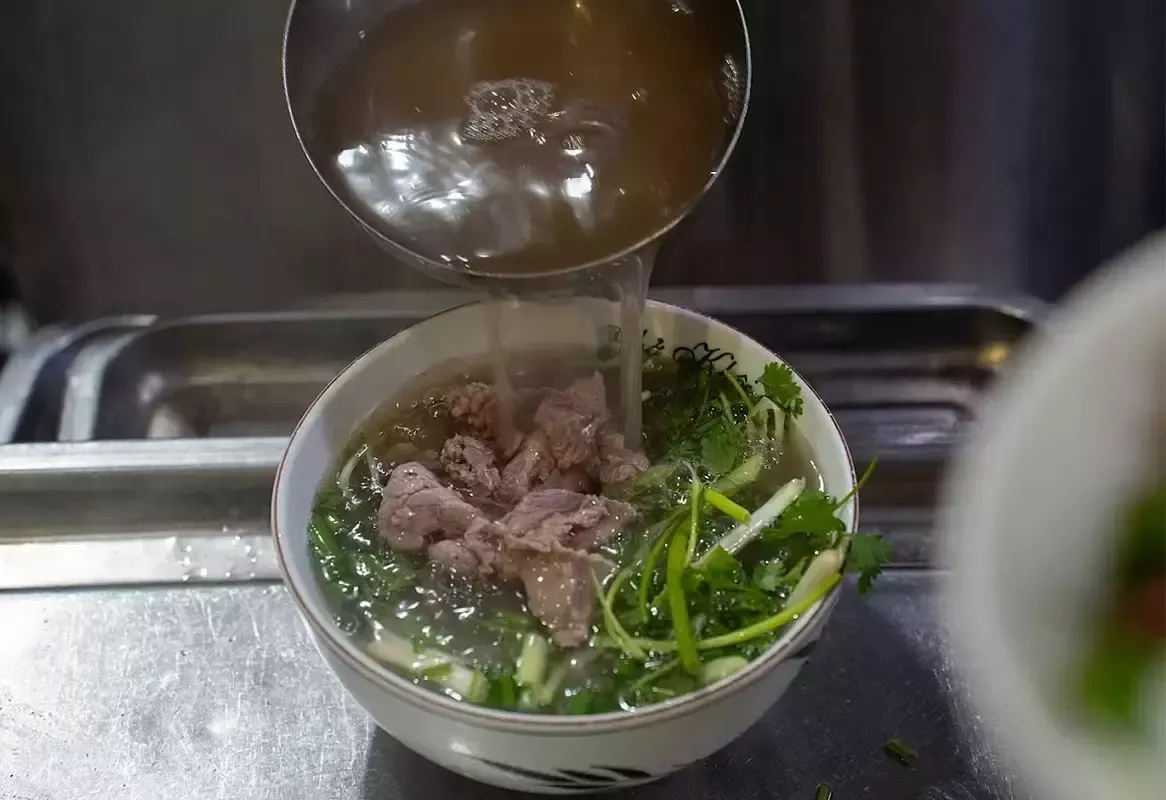
A change in Hanoi’s weather is bringing cooler air to the Vietnamese capital, and local food is becoming a natural part of the autumn experience. On October 5, VnExpress highlighted several traditional dishes that are especially suitable for cooler days, including steaming bowls of pho, sweet ginger soup and other hot meals. The food guide reflects the close connection between Hanoi’s seasonal weather and its street food culture.
Hanoi is known for food that can be enjoyed throughout the year, but cooler weather changes what many people choose to eat. When temperatures fall and winds become stronger, hot dishes become more attractive. Steam rising from a bowl of soup or noodles can offer both comfort and warmth, while the flavours of ginger, herbs and spices are closely linked with traditional Vietnamese cooking.
Pho remains one of the most familiar choices. The dish can be eaten at almost any time of day and is served in restaurants and street stalls throughout Hanoi. A traditional bowl usually contains rice noodles, meat and a clear broth made by slowly cooking bones with spices and herbs. Cinnamon, star anise, ginger and roasted onion are among the ingredients that can give the broth its distinctive flavour.
For many residents, eating pho on a cool morning is part of the daily rhythm of Hanoi. The hot broth provides warmth while the fresh herbs and other ingredients add different textures and flavours. Tourists also often seek out pho because it is one of the foods most closely associated with Vietnamese cuisine.
Another dish suited to cooler weather is banh troi Tau, a sweet dessert made from glutinous rice balls served in a warm ginger syrup. The dish combines sweetness with the strong, slightly spicy taste of ginger. It is especially popular when temperatures begin to fall because it is served hot and can be eaten as a snack or dessert.
Hanoi’s autumn weather also encourages people to choose warm noodle dishes, porridge and other foods served directly from the stove. These meals are common in the city’s neighbourhoods and can be found in both small family businesses and larger restaurants. Their popularity shows how local food traditions remain closely connected to everyday life.
The arrival of cooler weather can also change the atmosphere of Hanoi’s streets. Outdoor food stalls become especially appealing because customers can sit close to steaming pots and watch meals being prepared. The smell of broth, grilled food and spices can fill busy streets, creating a distinctive part of the city’s urban character.
Food is also an important part of Hanoi’s tourism economy. Visitors often plan trips around traditional dishes and local markets. Seasonal food recommendations can therefore help tourists understand the city beyond its famous landmarks. Eating local dishes provides an opportunity to experience ordinary daily life and learn how Vietnamese cooking uses fresh ingredients and traditional methods.
Autumn is often seen as a pleasant season in Hanoi because the weather becomes less hot than during the summer. Cooler evenings make walking through older neighbourhoods more comfortable, while food becomes another reason to spend time outdoors. A warm bowl of noodles or soup can fit naturally into an evening of sightseeing.
The food guide also highlights how simple ingredients can create distinctive meals. Ginger, broth, noodles, rice and herbs appear in many Vietnamese dishes, but preparation methods and combinations give each meal its own character. This simplicity is one reason street food remains so important to Hanoi’s identity.
For local residents, these foods are not simply tourist attractions. They are part of normal routines and family traditions. People may have a favourite pho shop near work, a dessert stall in their neighbourhood or a small restaurant they visit when the weather turns cooler.
October 5 therefore offers a timely look at Hanoi’s autumn food culture. As cooler air reaches the city, traditional hot dishes become especially appealing. Pho, ginger desserts, porridge and other warm meals provide more than food. They also reflect the city’s seasonal rhythms and the long relationship between Hanoi’s weather, streets and cuisine.
