




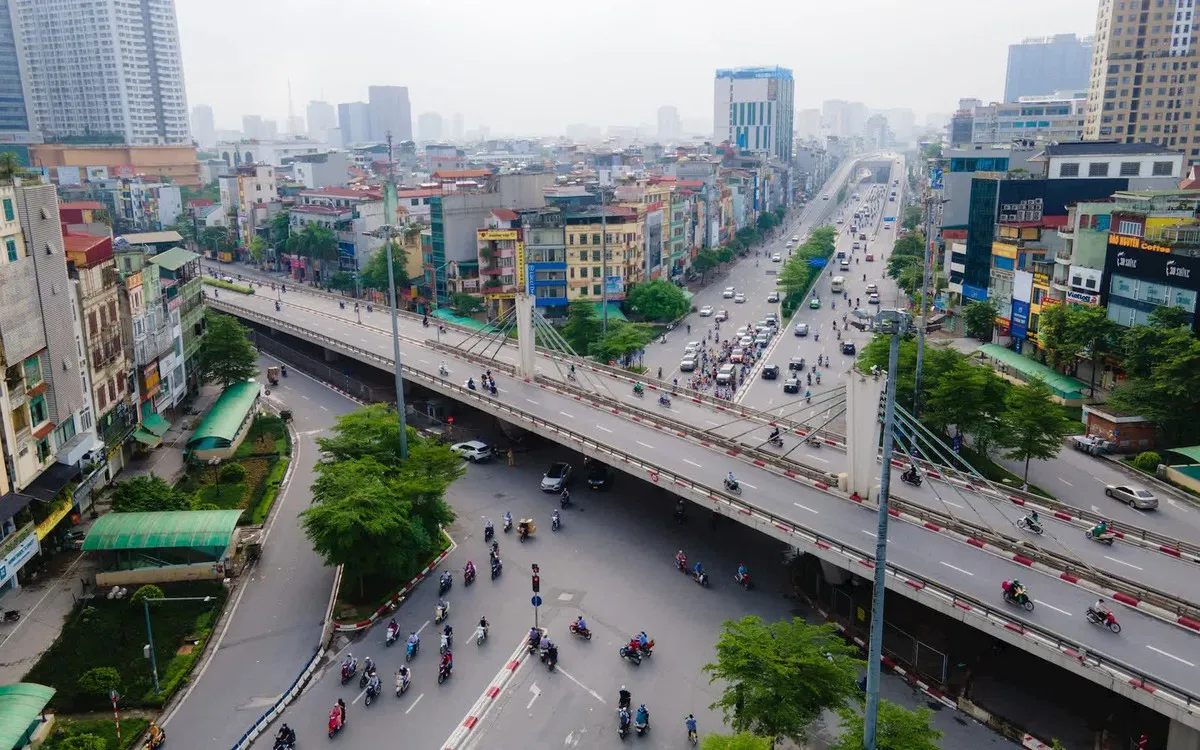
Hanoi is preparing new measures to expand its public parking system as the Vietnamese capital faces growing demand for urban transport infrastructure. On November 24, the city announced plans to review existing parking arrangements, identify suitable locations for new facilities and attract investment from private companies. The initiative aims to address the shortage of parking spaces, improve traffic management and support the city’s wider urban development goals. Authorities are giving particular attention to areas inside Ring Road 3, where population growth and commercial activity have increased pressure on available space.
The Hanoi Department of Construction has been assigned to prepare a list of parking projects that require investment. The review will examine potential locations, land availability, project size and possible investment arrangements. Officials are expected to prioritise projects that can begin implementation in 2027 and during the 2027–2030 period. The city also plans to review projects that have already been assigned to investors but have made limited progress. Authorities want to identify the reasons for delays, clarify responsibilities and recommend solutions that can help move stalled developments forward.
Financing is another important part of the plan. Hanoi wants to encourage private investment in parking infrastructure, but officials recognise that some projects may not attract sufficient commercial interest. In these cases, public funding could be considered for facilities that are urgently needed. The Department of Finance has been instructed to publish investment incentives and support policies by December 2026. It will also study the possibility of allocating city budget resources to essential public parking projects that cannot be developed effectively through private investment alone.
Local authorities will also play a role in identifying suitable land and assessing demand. Communes and wards are expected to review parking needs in their areas, examine available land and coordinate with relevant departments to resolve site-clearance problems. This approach is intended to give the city a clearer picture of where new parking facilities are most urgently required. Better planning could also help reduce illegal parking, improve access to commercial areas and make streets more manageable for residents and businesses.
The initiative reflects Hanoi’s broader effort to improve urban infrastructure while attracting more effective investment. A stronger parking network could support retail businesses, offices, tourism and public transport connections by making busy areas easier to access. However, the success of the programme will depend on land availability, clear investment rules and the ability of authorities to resolve delayed projects. By setting priorities for 2027 and the following years, Hanoi hopes to create a more organised parking system and improve the overall efficiency of its growing urban economy.
