




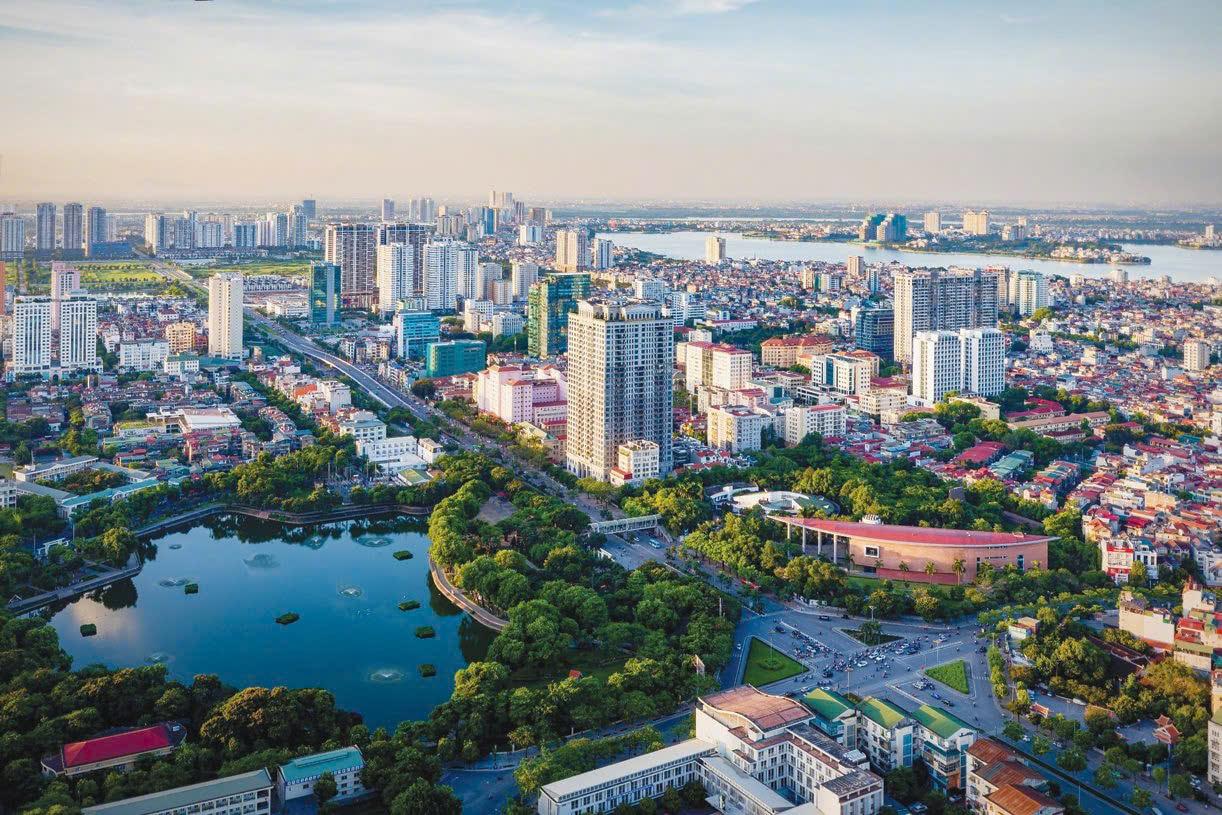
HANOI, August 26, 2026 — Hanoi is moving ahead with a large plan to shape the capital for the next 100 years. The city will prepare 81 urban and sector plans under a new road map. The plan gives early focus to 22 key urban zones.
The road map was set out in Plan No. 331/KH-UBND, issued on August 24. Hanoi People’s Committee Chairman Vu Dai Thang signed the plan. It aims to turn the city’s long term master plan into clear work at the local level.
The 81 plans will cover several parts of city life. They will include urban areas, rural areas, special zones, key public works and underground space. City bodies, local offices and ward and commune teams will use the plans to guide their own work.
The plan is built around a multi-pole city model. This means Hanoi will not rely on one crowded city core. Growth will be spread across several areas. The goal is to ease pressure on the old centre while giving new areas room to grow.
The inner city will see major change. The plan calls for a compact and green model. It also gives more room to transit based growth. New links between homes, jobs and public transport can help cut long trips.
Heritage will also play a key role. Hanoi has many old streets, sites and public spaces. The city plans to link new growth with the care of these places. The aim is to let the capital grow without losing its historic character.
The Red River is another key part of the plan. Four sub zones, named SH-1 to SH-4, will run along the river from north to south. The area is planned as a green spine for the city. It could include parks, public space and cultural sites.
The river plan could change how people use the city. More green space can give residents places to walk, rest and meet. The project will need careful work to balance growth, water safety and land use.
The north of Hanoi will also get a major role. Noi Bai International Airport will anchor this growth pole. The plan links the airport area with a proposed free trade zone and logistics hubs. That could help Hanoi serve firms that need fast links to markets in Vietnam and abroad.
Ring Road 4 will form another key urban belt. New areas near the road can take some growth away from the inner city. This may help reduce crowding in older areas. It may also support new homes, jobs and services outside the centre.
The scale of the plan is large. That means the next step is just as important as the plan itself. Local bodies must turn broad goals into clear projects. They will also need to keep the work in line across districts and sectors.
Hanoi’s long view comes as the capital faces fast growth and rising demand for transport, housing and public services. Better planning can help manage that pressure.
The 81 plans will not change Hanoi in one day. They set a path for many years of work. Success will depend on steady action, good public links and care for green and historic areas.
For residents, the key issue will be how the plan affects daily life. Better roads and transit can save time. More parks can improve public space. New job areas can shorten travel. If the city can link these goals, its 100 year vision may become more than a plan on paper.
The new road map marks a major step in that effort. Hanoi now has a clear task list for the next stage of its long growth plan. The focus will be on turning the 81 zones into useful, connected and livable parts of one capital.
