




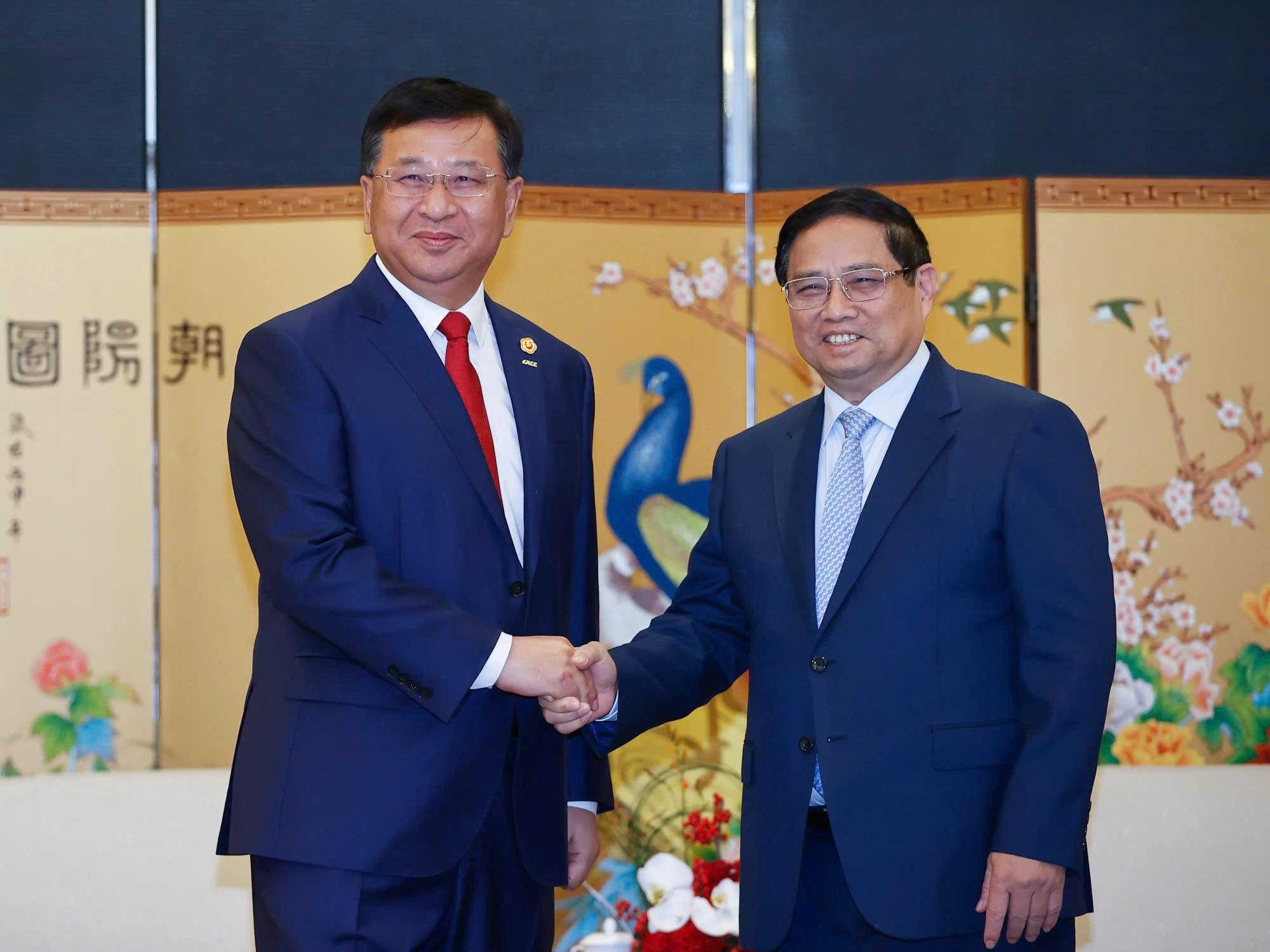
HANOI, August 27, 2026 — Vietnam is seeking deeper investment from Chinese companies as Hanoi pushes for higher quality growth. Prime Minister Le Minh Hung urged Chinese firms to treat Vietnam as a long-term production and trade base. He also called for more advanced projects in technology, energy and key infrastructure.
The message came during a meeting in Hanoi on Wednesday. The government wants foreign investment to bring more than capital. It also wants new skills, better technology and stronger links with local companies.
Chinese firms already have a major role in Vietnam’s production network. China is one of Vietnam’s key trade partners. Many companies from China operate in areas such as electronics, machinery, manufacturing and supply chains.
Hanoi now wants to move the relationship toward higher value work. The government is seeking projects that use modern technology and create wider benefits for the local economy. Energy and strategic infrastructure are also areas where Vietnam sees room for stronger cooperation.
The focus on quality is important as Vietnam competes for global investment. The country has become a major production base in Asia. It is also trying to move from basic assembly toward more advanced manufacturing and technology work.
The government wants foreign investors to support that shift. Projects that use better technology can help local firms learn new methods. They can also create skilled jobs and support new supply chains.
Infrastructure is another key part of the plan. Vietnam needs better transport, energy systems and digital networks to support long-term growth. Chinese companies have experience in large construction and infrastructure projects, making them possible partners for Vietnam.
The talks also come as Vietnam works to strengthen ties with several major economies. Hanoi has been seeking more trade and investment from China, India, the United States, Europe and other partners. The wider goal is to expand economic links while keeping Vietnam’s production base competitive.
The meeting with Chinese companies therefore has both economic and political importance. Strong business links can support wider relations between the two countries. They can also help Vietnam secure investment at a time when global supply chains are changing.
Vietnam is also looking for more cooperation in energy. Rising electricity demand is putting pressure on the country’s power system. Investment in new energy projects can help meet demand and support industrial growth.
Technology is another priority. Vietnam wants more projects that bring advanced production methods. It also wants investment that can help local firms become part of larger global supply chains.
The government has made similar calls to other foreign investors. Hanoi wants projects that have a lasting effect rather than short-term gains. That means better jobs, stronger local suppliers and more technology transfer.
For Chinese companies, Vietnam offers access to a growing market and a major export base. Its location also gives firms access to other Asian markets. Strong trade links with China make cross-border supply chains easier to build.
But Vietnam must also manage the risks that come with fast investment. Large projects need careful planning and strong rules. Environmental standards, labor needs and local business links must also be considered.
The government has been working on legal reforms to remove barriers to investment. On August 26, Prime Minister Le Minh Hung also chaired a special session on lawmaking. The meeting reviewed 11 draft laws and focused on reducing legal gaps and improving administration.
These reforms could help create a clearer business environment. Investors often need stable rules before committing large sums to long-term projects. Faster procedures can also reduce costs for companies.
For Hanoi, the investment push is part of a larger growth plan. Vietnam wants foreign capital to support higher productivity and stronger industries. Chinese companies are being asked to play a bigger role in that effort.
The next step will be turning the talks into real projects. If new investment brings technology, skilled jobs and stronger local supply chains, it could support Vietnam’s long-term goals. For now, Hanoi is making clear that it wants deeper Chinese investment, but with greater value for the Vietnamese economy.
