




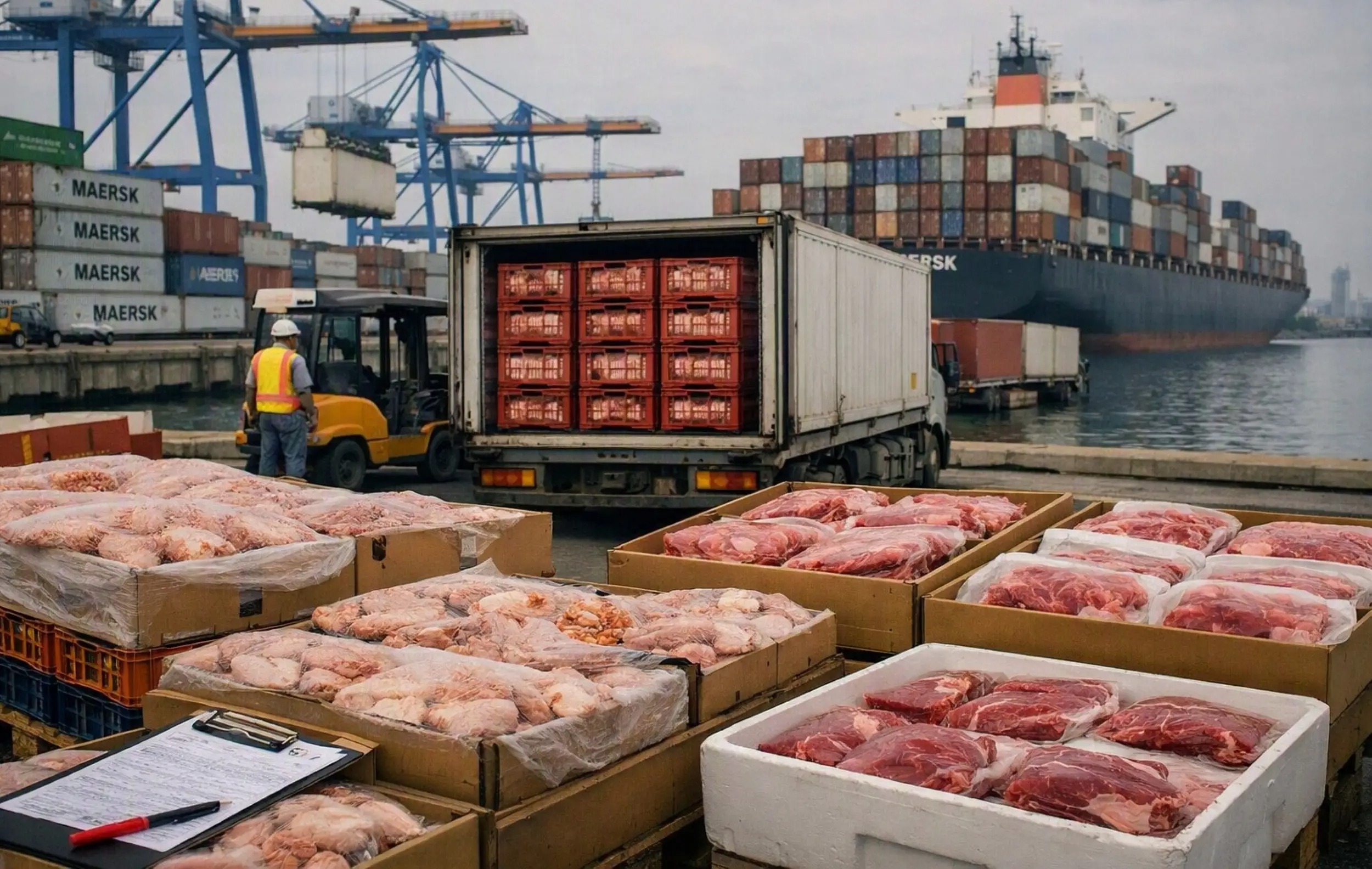
Cheap meat from other countries is flooding the market in Vietnam. Local farmers now face a big drop in live pig and bird prices. Prices have hit their lowest point of the year. Farms also face high feed costs and low sales. These two problems hit local producers hard at the same time.
Data shows a huge rise in shipments. Vietnam brought in four hundred ninety-four thousand tons of meat in six months. This cost about one point four six billion dollars. The total volume went up by nearly ten percent. The total value went up by more than thirty-six percent.
The second quarter saw a big jump as well. Meat shipments reached two hundred seventy-one thousand tons in those three months. That is up by over twenty-one percent from the first quarter. Key items include chicken parts, animal organs, frozen pork, and frozen beef.
These cheap products cost much less than local meat. They put strong price pressure on local farms. Farmers are already dealing with high feed costs and low sales. High local production has made farm prices drop even more.
The bird market faces heavy stress from imports and extra supply. Vietnam brought in up to one hundred ninety-five thousand tons of chicken in six months. This was worth up to two hundred fifty million dollars. Frozen chicken leg quarters made up most of the shipment. They accounted for more than seventy percent of the total. Wings, feet, and organs made up the rest.
The United States sent the most chicken to the country. It sent up to one hundred twenty thousand tons. That is almost sixty-two percent of all chicken imports. European countries sent up to thirty thousand tons. Poland sent a large part of that share. Brazil sent up to twenty-six percent of the total as well.
Cheap imported leg quarters compete directly with local factory birds. They sell well in school and work kitchens. As a result, local prices fell fast. Factory chicken in the south fell to less than ninety-five cents per kilo. That price is well below what it costs to raise the bird.
July brought a small price rise for local chicken. But farm profits stay very low. Farms raised too many birds late last year. This created a large supply that local markets cannot handle due to imports.
Pig prices have also hit the lowest point of the year. Prices dropped across the whole country. Northern areas saw prices drop to around two dollars and forty cents per kilo. Central and southern areas saw prices fall to around two dollars and thirty cents.
Pork firms say these are the lowest pig prices of the year. Top pork suppliers include Spain, Brazil, and Russia. Brazil sent over twenty-six percent more pork than in the first quarter. Import prices stayed low despite high freight costs.
Vietnam faces a clear problem. Local farms raise a lot of meat, but the nation relies heavily on imports. Meat exports from Vietnam remain very small. The country exported under five thousand tons of meat in the second quarter. Total six-month exports reached just over nine thousand tons.
Industry leaders warn that high feed costs will cause big farm losses. Farms must build strength to survive without state help. Producers need to cut costs by raising better animals. Better feed use and health controls will help them compete. Moving toward high-value meat exports is another key path for growth. New deals to sell processed birds abroad offer some hope for the future.
