




Vietnam has set an ambitious target to increase retail sales and consumer service revenue by an average of 14 to 15 percent each year through 2030. The plan aims to strengthen the domestic market, support local businesses and increase public confidence in Vietnamese products.
The target is part of the Vietnamese Goods for Vietnamese Consumers programme for 2026 to 2030. The programme was approved by Standing Deputy Prime Minister Pham Gia Tuc and is designed to build a stronger system for producing, promoting and selling domestic goods.
Under the plan, total retail sales and consumer service revenue are expected to reach around 13.5 to 14 quadrillion Vietnamese dong by 2030. This is equal to roughly 523 billion to 543 billion US dollars. The government also expects the consumer goods manufacturing sector to record annual revenue growth of 12 to 15 percent.
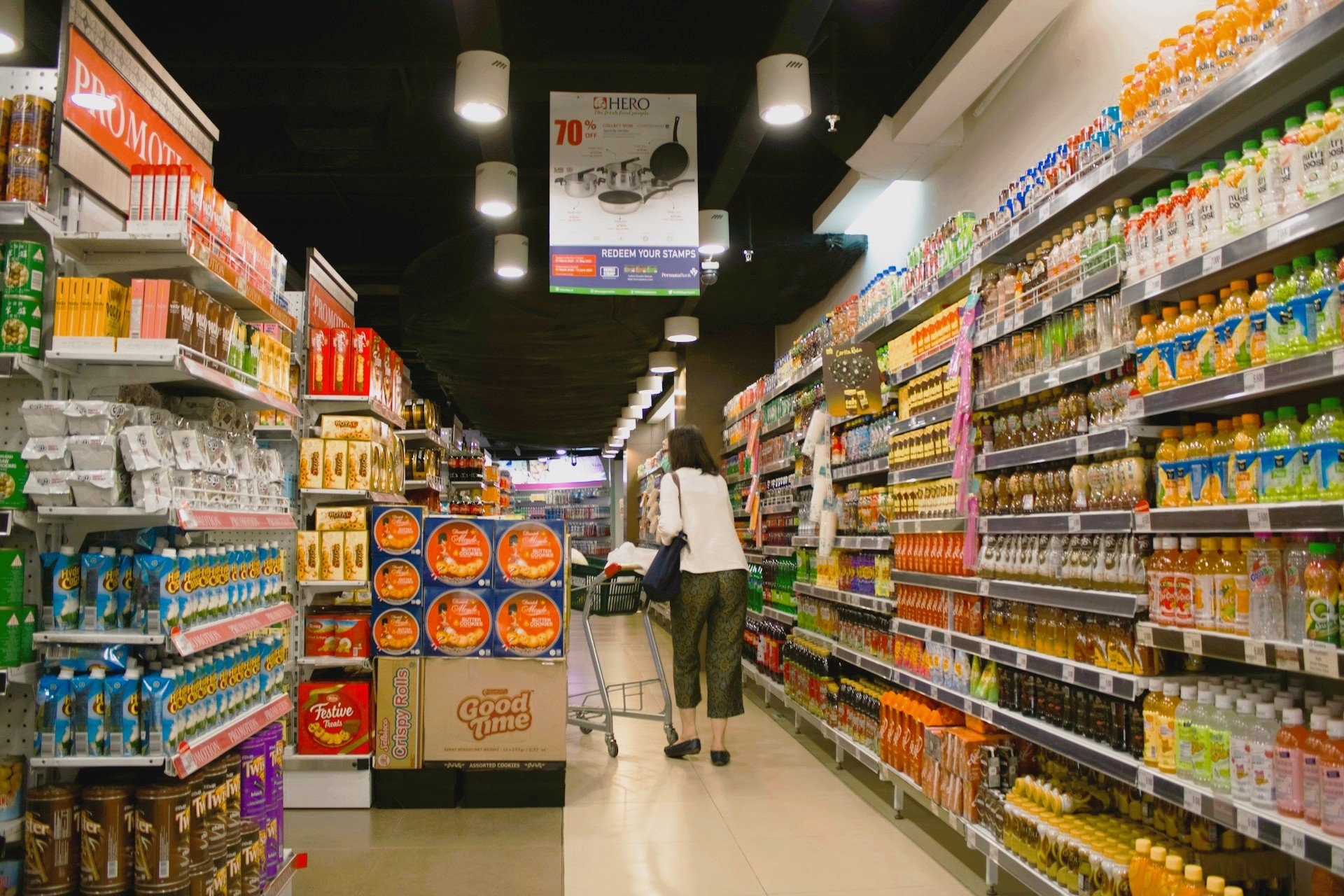
A key goal is to increase the share of Vietnamese products in the country’s retail market. The programme aims for local goods to account for more than 80 percent of products in domestic supermarkets and shopping centres. It also seeks to keep their share above 60 percent in traditional distribution channels.
Digital trade is another major part of the strategy. The government wants more than 70 percent of small and medium-sized businesses in consumer goods manufacturing to adopt e-commerce. It also aims for 45 percent of small and medium-sized companies in the trade sector to join major domestic and international online platforms.
A national digital platform for Vietnamese goods is planned to connect information about businesses, products, quality checks, distribution outlets and customer feedback. The programme also proposes at least five specialised online stores for Vietnamese products on major e-commerce platforms.
E-commerce revenue is expected to grow by 23 to 25 percent each year. By 2030, it could reach between 93 billion and 97 billion US dollars, representing around 18 to 19 percent of total retail sales and consumer service revenue.
The plan also focuses on helping local companies improve product quality, branding and marketing. Businesses may receive training in management, digital transformation and market research. The government also wants stronger links between local producers and foreign-invested companies so that Vietnamese suppliers can take part in wider supply chains.
Consumer protection will remain important as the market expands. Authorities plan to improve checks on counterfeit goods, false product labels and misleading claims about product origins. Digital tools and artificial intelligence may also be used to identify violations.
The programme reflects Vietnam’s effort to make domestic consumption a stronger driver of economic growth. By supporting local brands, expanding online sales and improving distribution, the country hopes to create a more competitive retail market and provide businesses with new opportunities.
