




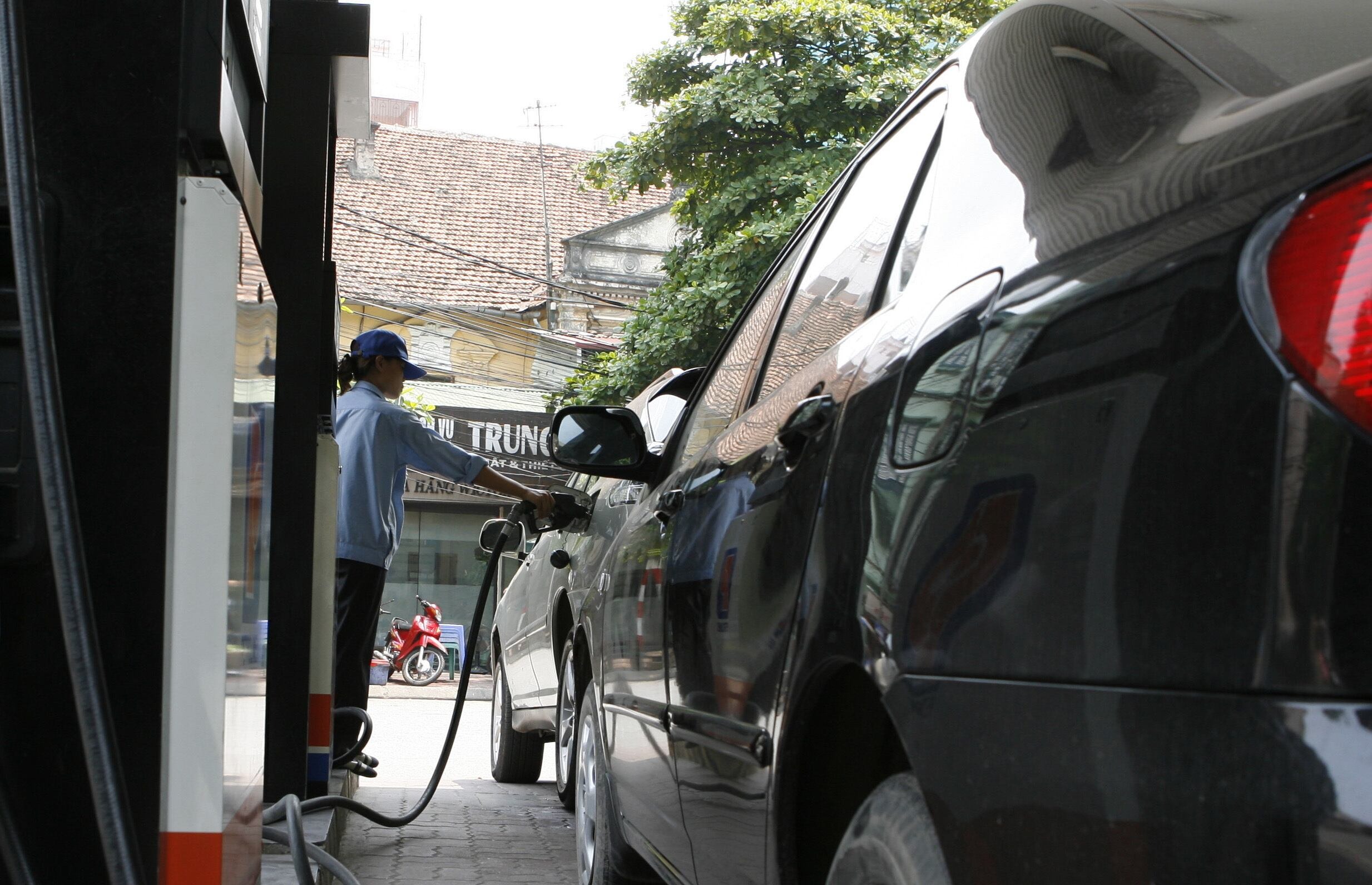
Vietnam is considering cuts to gasoline taxes and electricity prices as officials look for ways to ease pressure on households and businesses. The proposal comes as energy market disruption raises concern about the cost of transport and daily living. Fuel and electricity affect a wide range of economic activities, from food delivery and factory production to farming and household spending. Any change could therefore have effects well beyond the energy sector.
Fuel prices are an important cost for businesses across Vietnam. Transport companies need diesel to move goods between factories, ports, shops, and customers. Farmers depend on fuel for machinery and the movement of crops, while fishing businesses need energy to operate their boats. When fuel becomes more expensive, companies may pass some of the increase on to customers. That can raise the cost of food and other everyday products.
Electricity prices also matter to both industry and households. Factories need a reliable supply to operate machinery, maintain production lines, and store goods. Small businesses use power for lighting, refrigeration, computers, and equipment. Families need electricity for cooling, cooking, and other daily activities. If bills rise sharply, households may have less money available for other spending, while firms may see their operating costs increase.
A reduction in fuel taxes could lower the price paid by consumers, depending on how the measure is designed and how retailers respond. Lower electricity prices could also reduce bills for some users. However, the size of the benefit would depend on the final policy, the types of customers covered, and changes in wholesale energy costs. A tax cut does not always lead to an equal fall in the final price.
The government must also consider the cost of providing relief. Fuel taxes can generate revenue for public spending, infrastructure, and other government priorities. Reducing them may leave less money available for those needs unless the lost revenue is offset elsewhere. Officials therefore need to weigh short-term help against the wider effects on the budget.
Businesses may welcome measures that make energy costs more predictable. When companies can estimate fuel and power expenses, they can plan production, set prices, and decide whether to expand. Sudden price changes make planning harder, especially for small firms with limited cash reserves. Lower costs could help some companies protect jobs or avoid raising prices, although the effect will differ between industries.
The proposal also raises questions about longer-term energy security. Temporary tax relief may ease pressure during a period of high prices, but it does not remove dependence on imported fuel or protect the country from future supply disruptions. Improving energy efficiency, diversifying supply, and expanding reliable electricity generation can help reduce vulnerability over time. These changes often require investment and careful planning.
Households will be watching for clear details about who qualifies for support and when any changes would take effect. Businesses will want to know whether the measures are temporary or part of a longer plan. Clear information can help people make decisions and prevent confusion about the expected savings.
Vietnam’s consideration of fuel tax cuts and lower electricity prices reflects the challenge of managing energy costs during a period of uncertainty. The proposal could offer relief if it is adopted and passed through to customers. Its wider success will depend on the final design, the cost to public finances, and whether energy prices become more stable in the months ahead.
