




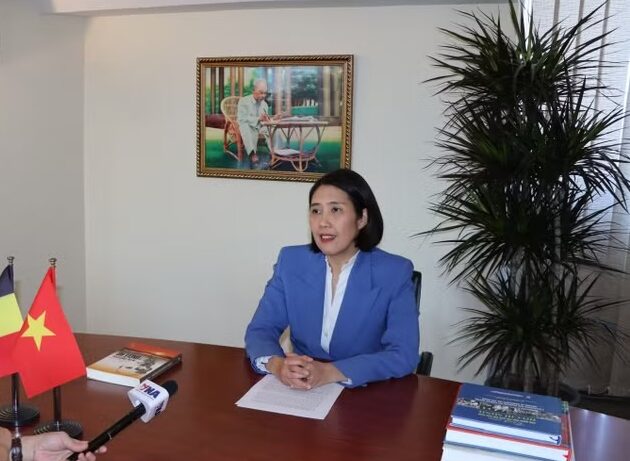
Vietnam is preparing to deepen its relations with the European Union and Belgium through upcoming high-level visits by To Lam, the country’s top leader. The visits are intended to strengthen political trust and turn existing agreements into practical cooperation. The plans were reported by VietnamPlus on October 17 as officials discussed the next stage of relations with European partners.
Vietnam and the European Union have developed links across trade, investment, education and other areas. The EU is an important market for Vietnamese products, while European companies have shown interest in investment and business opportunities in Vietnam. Stronger relations can help both sides discuss market access, investment rules and cooperation in fields where they share interests.
Belgium also has a role in Vietnam’s European engagement. Political contact can support cooperation between institutions, businesses and people. High-level visits often include discussions about how to carry out earlier agreements, identify new projects and maintain communication on international issues. The value of such visits depends on whether commitments lead to results after officials return home.
Trade is one of the key areas where closer ties could bring practical benefits. Vietnamese exporters need access to international markets, while European companies may seek new suppliers, customers and investment opportunities. Cooperation can also involve training, research, technology and sustainable development. These areas can help businesses become more competitive while supporting longer-term economic goals.
Diplomatic ties also provide a way to discuss global challenges. Vietnam and European partners may exchange views on regional security, climate issues, supply chains and international rules. They may not agree on every question, but regular contact can help maintain dialogue and reduce the risk of misunderstandings.
The upcoming visits offer an opportunity to review progress and set new priorities. Their success will depend on the quality of the discussions and the willingness of both sides to carry out the commitments made. Official meetings can establish direction, but long-term cooperation requires work from government agencies, companies and other institutions.
For Vietnam, closer relations with the EU and Belgium can support its effort to widen international partnerships. For European partners, engagement with Vietnam offers a way to build economic and political connections in Southeast Asia. The next stage will be judged by whether the visits lead to stronger practical links rather than statements alone.
