




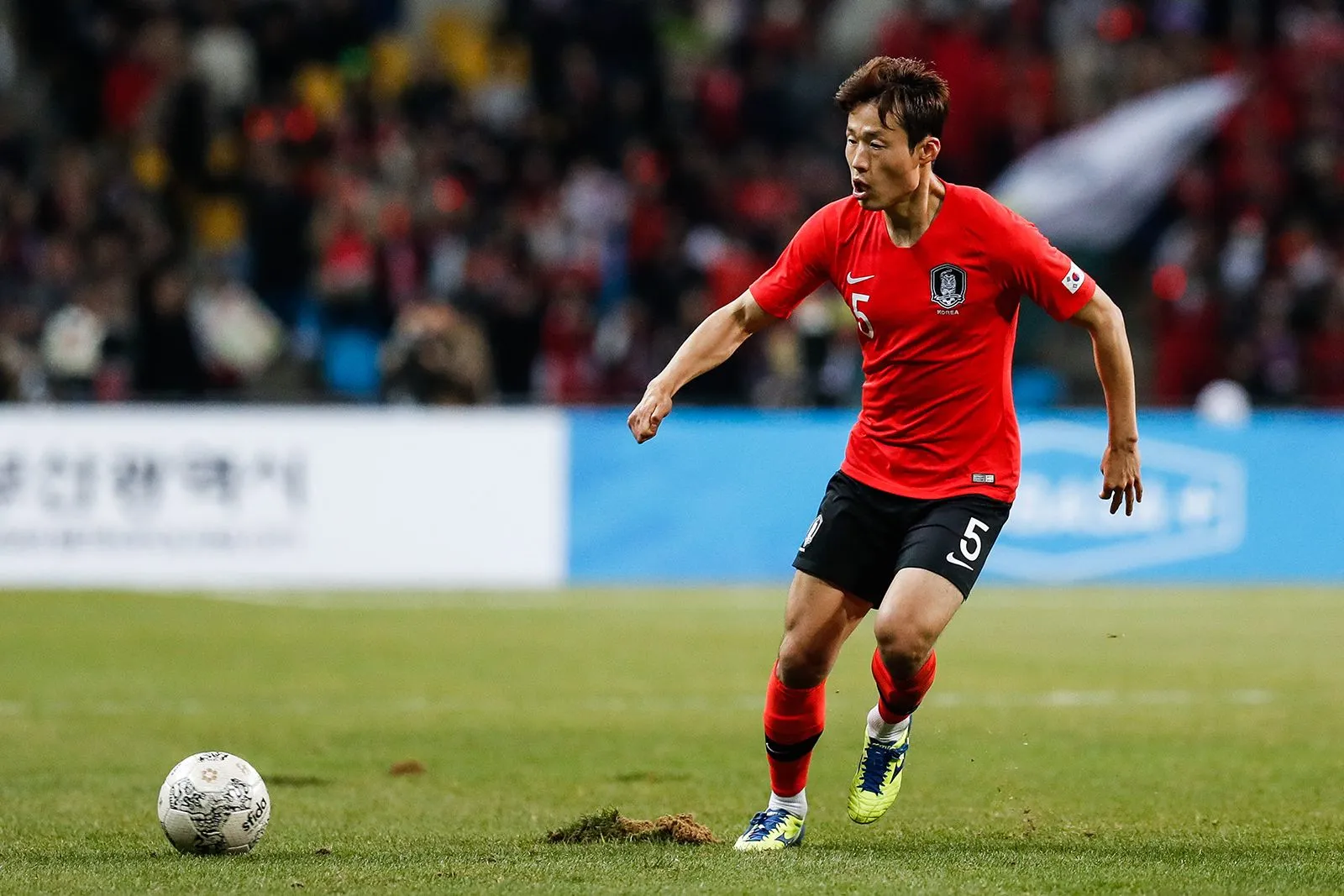
China football match fixing bans have hit dozens of people connected to the sport this month. The Chinese Football Association handed life bans to thirty eight players and five officials. The move follows a lengthy investigation into corruption tied to matches in the country’s lower tier leagues.
Among those banned are several former national team players, a detail that has drawn extra attention to the case. Officials say the scale of the punishment reflects how seriously they view corruption inside the sport. Other players and officials received shorter bans of five years rather than lifetime removal from the game.
The investigation traces back to a broader anti-corruption push that began several years earlier. Chinese football has faced repeated scandals tied to bribery and rigged results. A former top football association official already pleaded guilty to accepting millions of dollars in bribes as part of an earlier stage of the same wider probe.
Several clubs competing in China’s second tier league also faced punishment alongside the individual bans. Authorities imposed fines and deducted points from clubs found connected to the wrongdoing. Losing points can badly damage a club’s chances in the league table, making this a serious blow for teams already fighting for promotion or survival.
Football officials say these harsh penalties send a clear signal to the wider sport. They want players, coaches, and club officials to understand that match fixing carries severe, lasting consequences. Officials hope the bans will discourage future corruption by showing that even well known former national players are not shielded from punishment.
Fans have reacted with a mix of anger and cautious approval to the news. Many supporters say they feel betrayed by players they once cheered for during international matches. Others welcome the crackdown, arguing that Chinese football has needed a serious clean up for years in order to rebuild public trust in the sport.
The scandal adds to a difficult period for Chinese football more broadly. The men’s national team has struggled to match the success of other major sports programs in the country. Fans and analysts have long argued that corruption, weak youth development, and league mismanagement have held the sport back from reaching its full potential.
Sports officials say the punishments form part of a larger effort to reform the domestic game. Beyond bans and fines, authorities have discussed stronger oversight of referees, betting related activity, and financial practices inside clubs. Building a cleaner reputation is seen as essential if Chinese football hopes to attract stronger sponsorship and international respect going forward.
League organizers say the current season will continue despite the disruption caused by the bans and points deductions. Officials argue that swift, visible punishment now offers a better path forward than allowing suspicion to linger unresolved. Whether these tough measures actually restore fan trust in Chinese football may only become clear once several more seasons play out under the new, stricter rules.
Young players coming up through youth academies now face a league environment shaped heavily by this scandal. Coaches say they are using the case as a teaching moment, warning aspiring professionals about the serious risks tied to accepting money from betting related contacts. Several academies have added specific lessons on integrity and corruption awareness directly into their regular training programs following the announcement.
Sponsors connected to Chinese football have also had to respond to the fallout from the bans. Some brands quietly distanced themselves from individual players caught up in the scandal, while others issued statements supporting the federation’s tough stance. Marketing experts say sponsors generally prefer strong, visible punishment over silence, since it signals that the sport is serious about protecting its long term commercial reputation.
International football bodies have taken note of the scale of this crackdown as well. Corruption scandals in one country’s domestic league can affect how international partners view the safety of doing business with clubs and federations there. Officials hope that decisive action now will help rebuild confidence among overseas partners who might otherwise hesitate before investing time or money in Chinese football going forward.
