




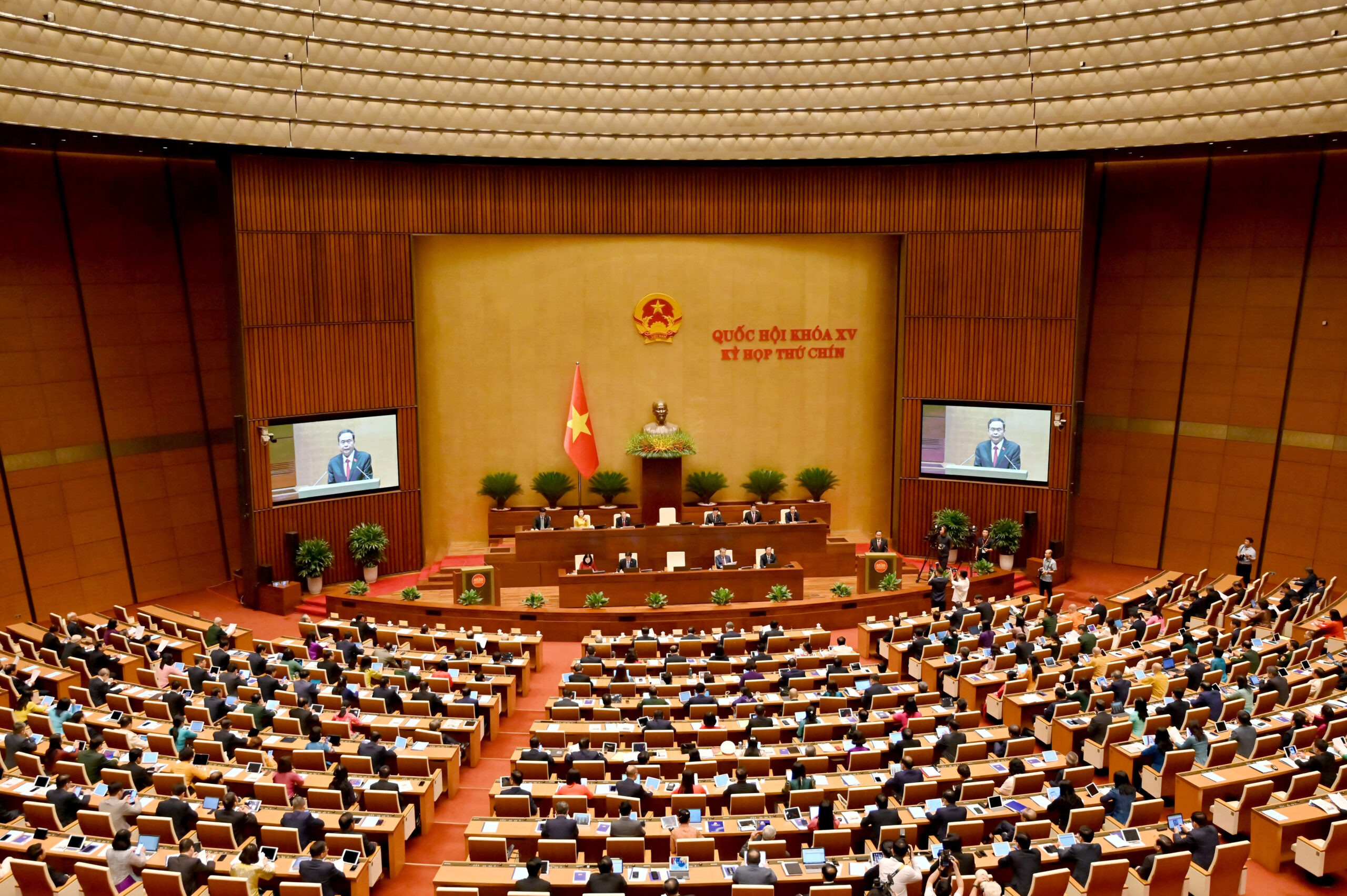
Vietnam’s top leader is holding more power than any single figure has held in decades, and his reach keeps growing. To Lam now serves as both general secretary of the Communist Party and president of the country at the same time, a rare combination that breaks from the nation’s long tradition of spreading top posts among several leaders. Analysts say the setup marks the first time in about forty years that one person has controlled both roles together.
Lam rose to the party’s top post two years ago and added the presidency this spring after winning a nearly unanimous vote in the National Assembly. His confirmation drew overwhelming support from lawmakers, reflecting the party’s tightly managed political system where major decisions rarely face open opposition. Since taking on both roles, Lam has pushed an aggressive reform agenda aimed at reshaping how the government operates from top to bottom.
His changes have already reached deep into the state workforce. Officials say more than one hundred thousand civil service jobs have been cut as part of a sweeping effort to shrink bureaucracy and speed up decision making. Entire government ministries and agencies have been folded together or eliminated outright. Lam has described his approach in blunt terms, saying leaders must act decisively and correctly rather than get stuck in slow moving processes.
Beyond internal reform, Lam has kept a packed travel schedule, using his position to build stronger ties with countries around the world. In the past two years, he has made official visits to major partners including the United States, China, France, and the United Kingdom, along with regional neighbors across Southeast Asia. Vietnam has signed a string of upgraded strategic partnerships during his time in office, deepening cooperation across trade, security, and technology with numerous nations.
Most recently, Lam traveled to Australia and New Zealand for state visits aimed at strengthening cooperation in the Pacific region. During the trip, he met with senior officials to discuss closer economic and security ties, part of a broader pattern of outreach that has taken him to dozens of countries since becoming the country’s top leader. Supporters say this global diplomatic push reflects Vietnam’s growing confidence and its desire to diversify partnerships beyond its traditional neighbors.
The concentration of power in one leader has drawn attention from analysts who study the region closely. Vietnam has long favored a system of collective leadership, spreading authority across the party chief, the president, the prime minister, and the head of the National Assembly to prevent any single figure from gaining too much control. Lam’s dual role breaks with that pattern, and observers say it signals a deliberate shift toward faster, more centralized decision making at a time when the country faces mounting economic pressure.
Alongside his own promotion, Lam helped install a close ally as prime minister earlier this year, further consolidating a leadership team aligned with his reform priorities. The new government has set ambitious economic targets, aiming to shift the country away from its longtime reliance on cheap labor and toward higher value industries and technology driven growth.
Critics note that the same rapid changes reshaping government structure have also touched civil society, with continued restrictions on activists and independent voices. Even so, foreign investors have largely welcomed the political stability that comes with a clear, unified leadership structure, often citing it as a key reason for continued confidence in Vietnam as a manufacturing and investment destination.
As Lam continues his travel heavy diplomatic calendar and pushes forward with domestic reform, questions remain about how long the current concentration of power will last and what it means for the country’s political system in the years ahead.
