




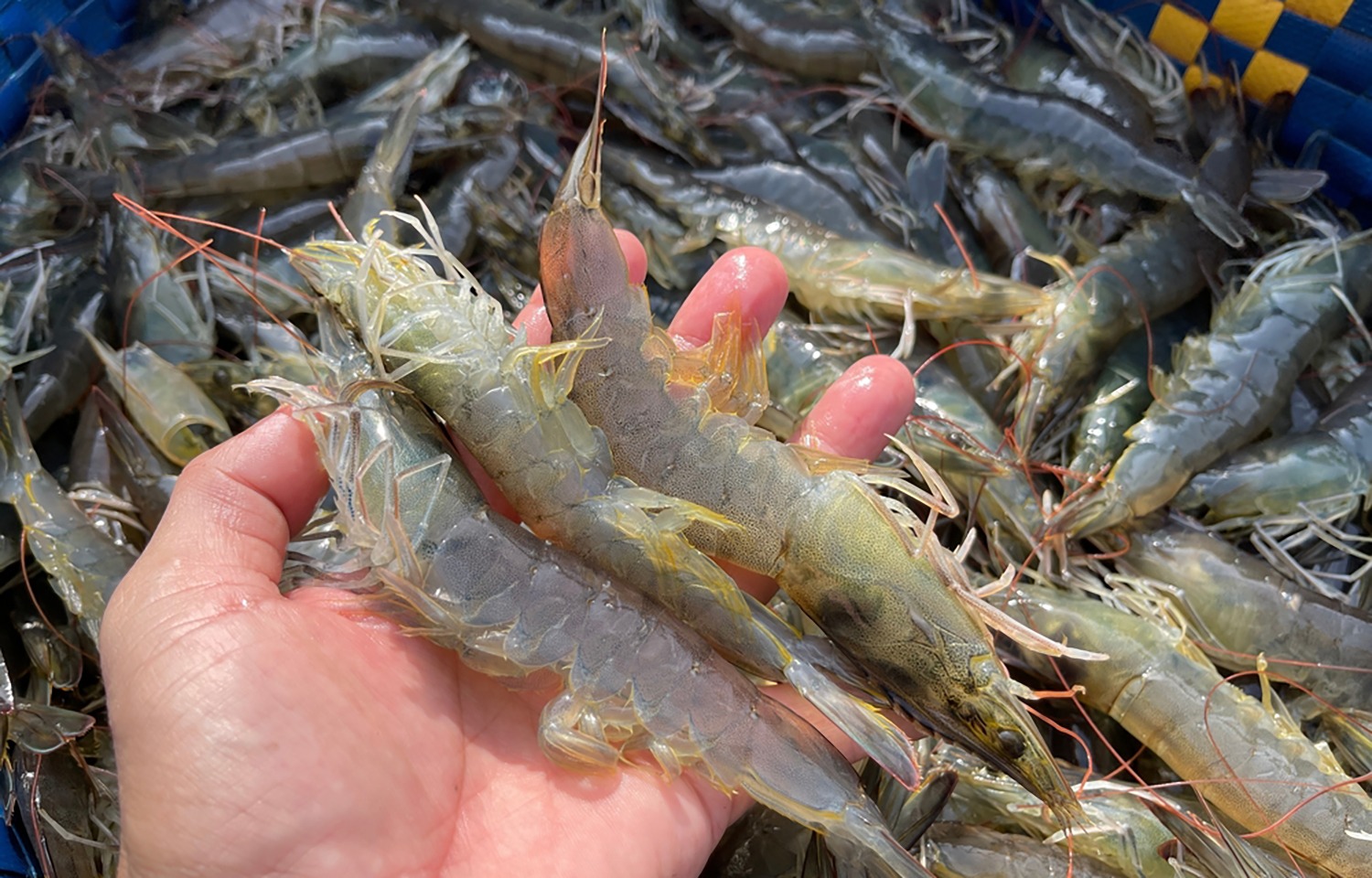
Vietnam’s shrimp exports reached $3.3 billion during the first eight months of 2026, according to figures reported on September 25. The result represents a 12 percent increase from the same period a year earlier and highlights the continuing importance of seafood exports to Vietnam’s economy.
The export figure includes strong activity during August. Vietnam’s shrimp exports reached $478.5 million in August, which was 4.2 percent higher than the same month in the previous year.
Shrimp is one of Vietnam’s major seafood export products. The industry supports farmers, processing companies, transport businesses and exporters across several provinces. Growth in export value can therefore affect a wide network of businesses and workers.
Vietnam has developed a large seafood processing industry that serves customers in many international markets. Processed shrimp products can be sold through supermarkets, restaurants and food companies around the world.
Export growth depends on several factors. International demand, prices, production costs, exchange rates and trade rules all affect the value of shipments. Vietnamese producers must also compete with shrimp exporters from other major producing countries.
The increase during the first eight months suggests that Vietnamese exporters have maintained strong demand despite international economic uncertainty. However, the industry still faces challenges from production costs and changing regulations.
Food safety requirements are particularly important. International markets often require seafood exporters to meet strict standards relating to farming, processing, packaging and traceability. Vietnamese companies must maintain these standards to protect access to major markets.
Climate conditions also affect shrimp production. Farmers depend on suitable water quality and weather conditions. Changes in temperature, rainfall and salinity can affect shrimp health and production.
Vietnamese authorities and industry groups have therefore been working to improve farming practices and processing efficiency. Better technology can help farmers control production and reduce losses.
The export industry is also trying to increase the value of its products. Instead of relying only on raw or lightly processed shrimp, companies can develop higher-value products for consumers who are willing to pay more.
Processing creates additional economic value inside Vietnam. It can provide employment and increase the value of products before they are exported.
The seafood sector is important to Vietnam’s wider trade balance. Strong exports can generate foreign currency and support economic activity in coastal communities.
International trade agreements also influence the sector. Vietnam’s participation in several trade agreements gives exporters access to foreign markets while also requiring them to meet detailed standards.
The United States, Europe and Asian markets are among the important destinations for Vietnamese seafood. Each market has different requirements, meaning companies need flexible production and export systems.
The industry also faces competition from lower-cost producers. Vietnamese exporters therefore need to improve quality and efficiency to maintain their position.
The $3.3 billion figure for the first eight months gives the sector a strong base for the rest of the year. Whether the annual total continues to grow will depend on global demand, prices and production conditions during the remaining months.
For farmers, higher export demand can provide opportunities to increase production. But rapid expansion must be managed carefully because poor farming conditions can lead to disease and losses.
For processors and exporters, continued growth could support additional investment in factories, cold storage and logistics.
Vietnam’s shrimp industry is therefore connected to several parts of the economy. It supports agriculture, manufacturing, transport and international trade.
The September 25 figures show that shrimp remains an important export product for Vietnam. With exports up 12 percent during the first eight months, the industry is entering the final part of 2026 with strong export momentum while continuing to face competition and changing international requirements.
