




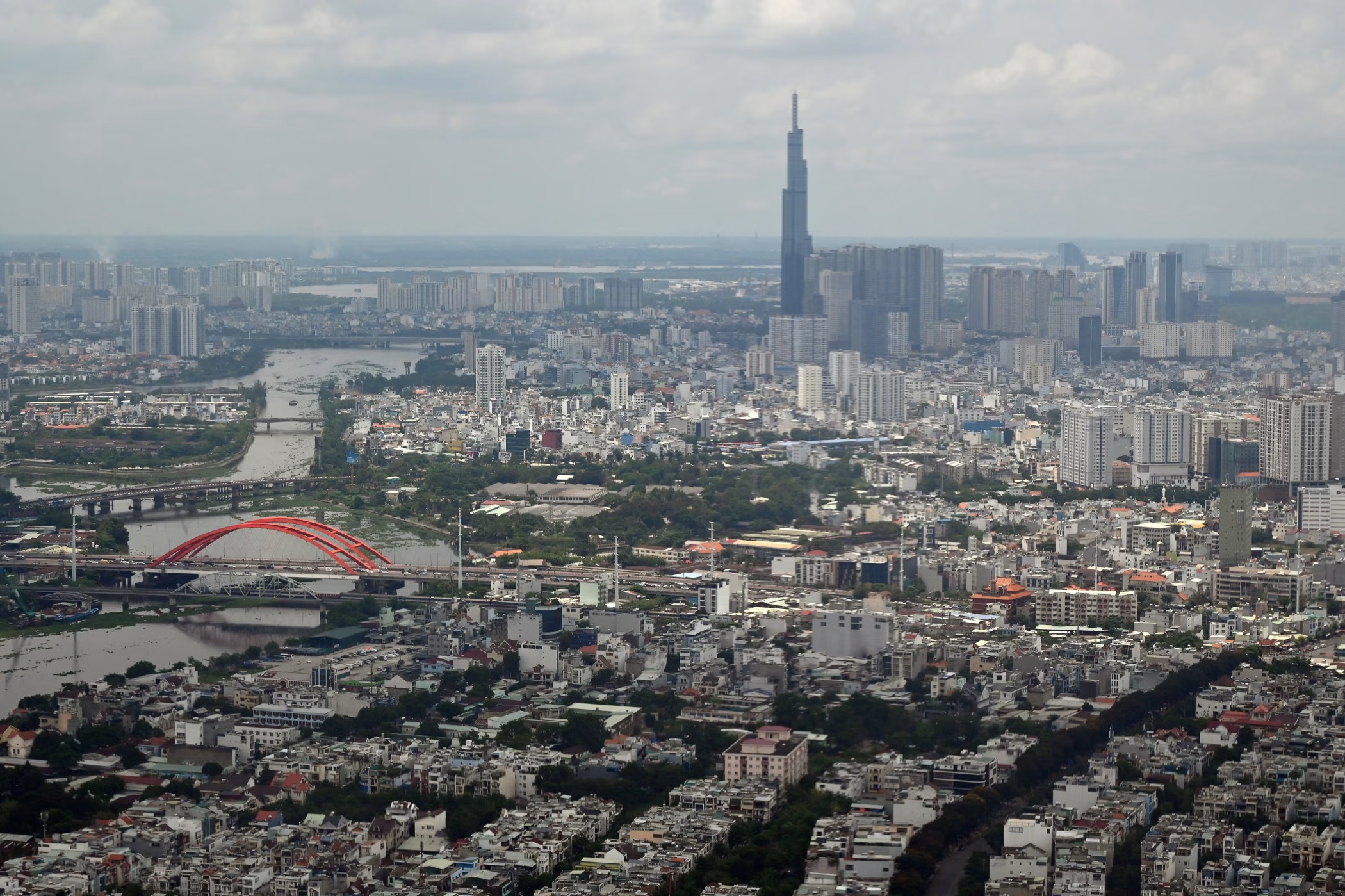
Vietnam is preparing for a major change in its financial markets as its stock market moves from frontier status to secondary emerging market status under FTSE Russell. The upgrade takes effect on September 21, making Sunday, September 20, an important moment for Hanoi’s financial sector and for investors watching the country’s market reforms.
The change follows years of work to improve market access, trading systems and investor confidence. Vietnamese officials have described the move as an important milestone, while also stressing that it creates new responsibilities. The country will need to continue improving market infrastructure, governance and information disclosure after the classification changes.
A higher market classification can increase Vietnam’s visibility among international investors. Global funds often use market indexes when deciding where to allocate capital. The transition can therefore encourage more institutions to examine Vietnamese companies and may increase demand for shares that meet international investment requirements.
Vietnam has become an important manufacturing and export center in Asia. International companies have invested heavily in electronics, technology, consumer goods and other industries. A deeper stock market can complement that economic role by giving businesses another way to attract capital and connect with global investors.
The upgrade does not guarantee higher share prices. Investors still consider company earnings, valuations, economic growth, currency movements and global interest rates. Foreign funds may also enter gradually rather than all at once. The longer-term value of the change will depend on whether international participation remains strong after the initial adjustment.
Vietnamese regulators are therefore facing higher expectations. Investors need clear rules, reliable settlement systems and transparent information. Companies seeking international capital may also face greater pressure to improve corporate governance and reporting. Continued reforms will be important if Vietnam wants to turn the classification change into lasting market development.
The transition is part of Hanoi’s wider effort to deepen integration with global finance. Vietnam has expanded trade links, attracted multinational companies and strengthened economic relations with major markets. A more internationally connected stock market can support those goals by making local businesses more visible to foreign investors.
The government and financial authorities will now focus on maintaining the progress that led to the upgrade. That means improving access, protecting investors and making market systems easier to use. International investors will watch how quickly those reforms continue after September 21.
Vietnam therefore enters the new status with greater global attention and higher expectations. The September 21 change is not the end of the reform process. It is a new stage in which Hanoi must show that improved market access and stronger institutions can produce deeper, more stable participation in the country’s capital markets.
The market upgrade is also important because Vietnam wants to attract more long-term investment rather than only short-term trading flows. International funds can bring capital and research attention, but investors also expect clear rules and reliable institutions. Continued improvements will therefore matter as much as the formal change in classification.
Vietnamese companies may also benefit from greater visibility. Firms with strong financial performance and good governance can become easier for international investors to study. At the same time, increased scrutiny can encourage listed companies to improve disclosure and communication with shareholders, strengthening the market over time.
The September 21 transition is consequently both an achievement and a test. Vietnam has reached a new classification after years of reform, but maintaining the benefits will require further work. Investors will be watching not only the first market reaction but also whether foreign participation and confidence remain strong in the months ahead.
The classification change also places Vietnam more firmly on the radar of global fund managers. The immediate response may be influenced by index adjustments, but the lasting effect will depend on the quality of the market itself. Continued improvements in transparency, access and infrastructure will be important if Vietnam wants the upgrade to support long-term investment rather than only a short period of extra attention.
