




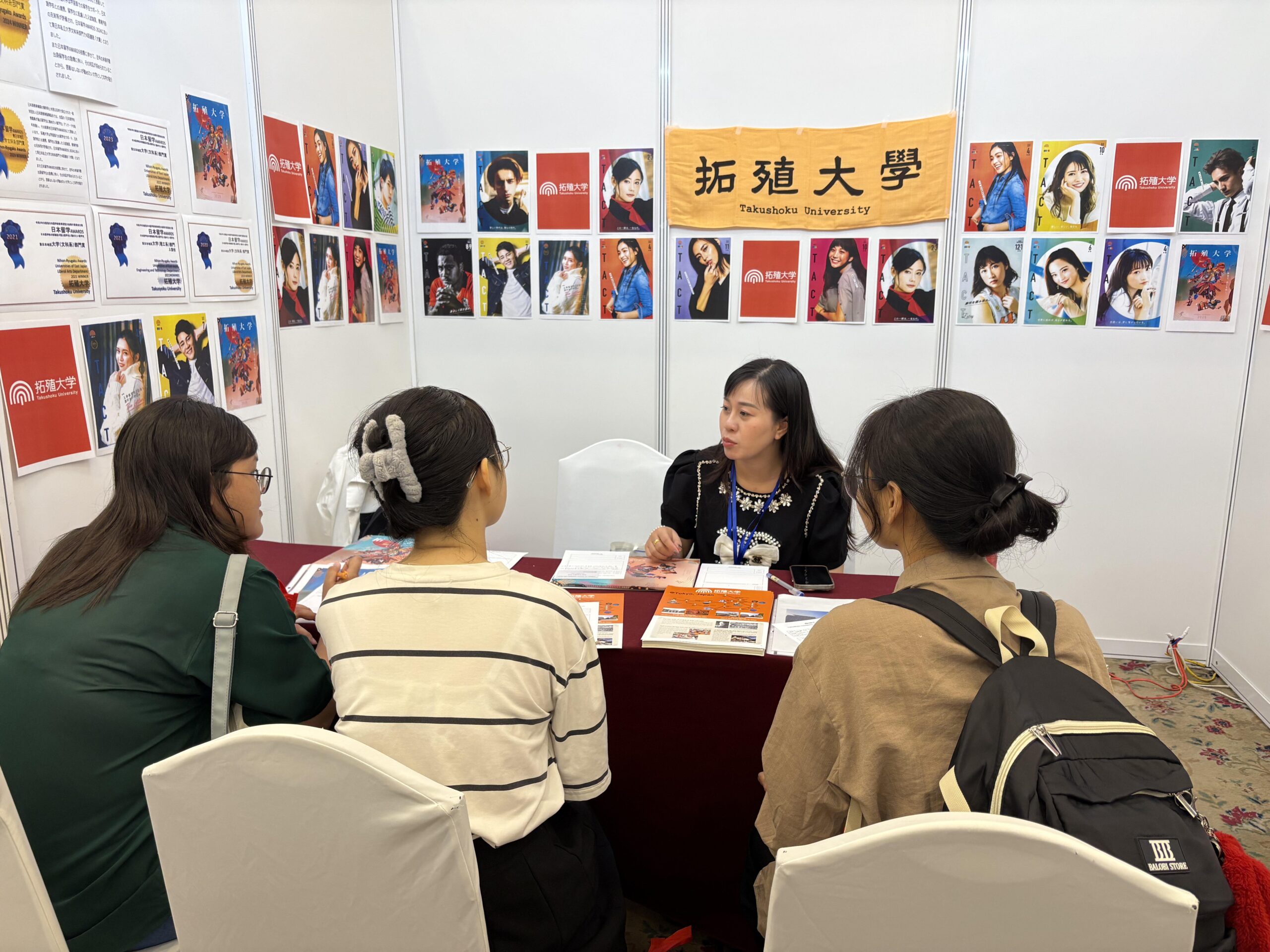
Hanoi is hosting a free Study in Japan Fair on Saturday, October 3, giving Vietnamese students an opportunity to meet representatives from Japanese universities, colleges and language schools. The event will take place at the Pullman Hanoi Hotel in Dong Da from 2 p.m. to 7 p.m. and is part of the Study in Japan Fair 2026 programme in Vietnam. A second session will be held in Hanoi on October 4.
The education fair is designed to provide direct contact between students and Japanese education institutions. Students considering study in Japan can speak with representatives and learn about different programmes, admission procedures and educational opportunities. Because the event is free and does not require advance registration, it is accessible to a broad group of students.
Studying abroad requires students to understand more than simply the name of a university. They need to know about entry requirements, tuition costs, language expectations, accommodation and daily life. Education fairs can provide an opportunity to collect this information directly from institutions rather than relying only on online research.
Japan remains an important destination for international students in Asia. Japanese universities and colleges offer programmes in areas including technology, engineering, business, medicine, design and the humanities. Japanese language schools also provide pathways for students who want to improve their language skills before entering higher education.
For Vietnamese students, Japan also has geographical and economic connections with Vietnam. Japanese companies operate in Vietnam in areas such as manufacturing, technology, finance and services. Students who study in Japan may therefore gain knowledge and language skills that can be useful when working with Japanese businesses later.
The Hanoi fair can also help students understand the difference between types of institutions. Universities offer academic degrees, while colleges and specialised schools may provide more practical training. Language schools can focus on Japanese language development. Understanding these differences is important because students need to choose a programme that matches their educational goals.
Financial planning is another major consideration. International study can involve tuition fees, housing costs, transportation and daily living expenses. Students and families need to understand these costs before making decisions. Representatives at education fairs can provide information about tuition structures and possible scholarship or support options.
Language is also important. Some Japanese programmes are taught in English, while others require Japanese-language ability. Students need to check the language requirements of each programme before applying. Learning Japanese can also make everyday life easier for international students even when their academic programme is delivered in English.
The fair also gives students the chance to ask questions about student life. Academic study is only one part of living abroad. Students need to understand accommodation, transportation, healthcare, part-time work rules and cultural differences. Direct conversations with representatives can help students prepare for these practical issues.
The October 3 event is particularly useful for students who are still exploring their options. Some may already know which university they want to attend, while others may only have a general interest in studying in Japan. The range of participating institutions allows students to compare different possibilities.
The second Hanoi session on October 4 gives students another opportunity to attend if they cannot visit on Saturday. The two-day programme allows more people to participate and gives representatives additional time to speak with prospective students.
International education fairs can also strengthen links between educational institutions. Universities can learn more about student interests in Vietnam, while Vietnamese students gain access to information about Japanese education. Such exchanges can support longer-term academic cooperation between the two countries.
For Hanoi, hosting the fair reinforces the city’s role as one of Vietnam’s main education centres. The capital has a large student population and many universities, making it a natural location for international education events.
The October 3 Study in Japan Fair therefore provides students with a practical opportunity to explore overseas education. By meeting representatives directly, young people can ask questions about universities, language programmes and student life before making important decisions about their future. The free event runs from 2 p.m. to 7 p.m. at Pullman Hanoi, with another session scheduled for Sunday.
