




Hanoi is aiming to become one of Vietnam’s leading tourism centres, with a plan to attract between 47 million and 50.5 million visitors by 2030. The capital wants to strengthen its position as a major destination for cultural and heritage tourism while developing new services that can attract international travellers. The strategy is also intended to make tourism a stronger contributor to the city’s economy.
The targets include 13 million to 15 million international visitors and between 34 million and 35.5 million domestic travellers. Tourism revenue is expected to reach between 295 trillion and 340 trillion Vietnamese dong, equivalent to approximately 11.43 billion to 13.17 billion US dollars. The sector is expected to contribute around 7.5% to 8% of Hanoi’s gross regional domestic product.
To support the expected growth, the city plans to add at least 10,000 high-end hotel rooms in four-star and five-star accommodation. It also wants to develop three locations that can receive national tourism-area recognition and improve at least three traditional craft villages or ancient villages as destinations capable of attracting visitors from abroad.
Hanoi has several advantages that could support the strategy. Its historic streets, traditional architecture, cultural sites, food and craft communities give visitors a wide range of experiences. Important destinations include Hoan Kiem Lake, the Old Quarter, the Imperial Citadel of Thang Long and the Temple of Literature. These places can help the city build a stronger identity in the international tourism market.
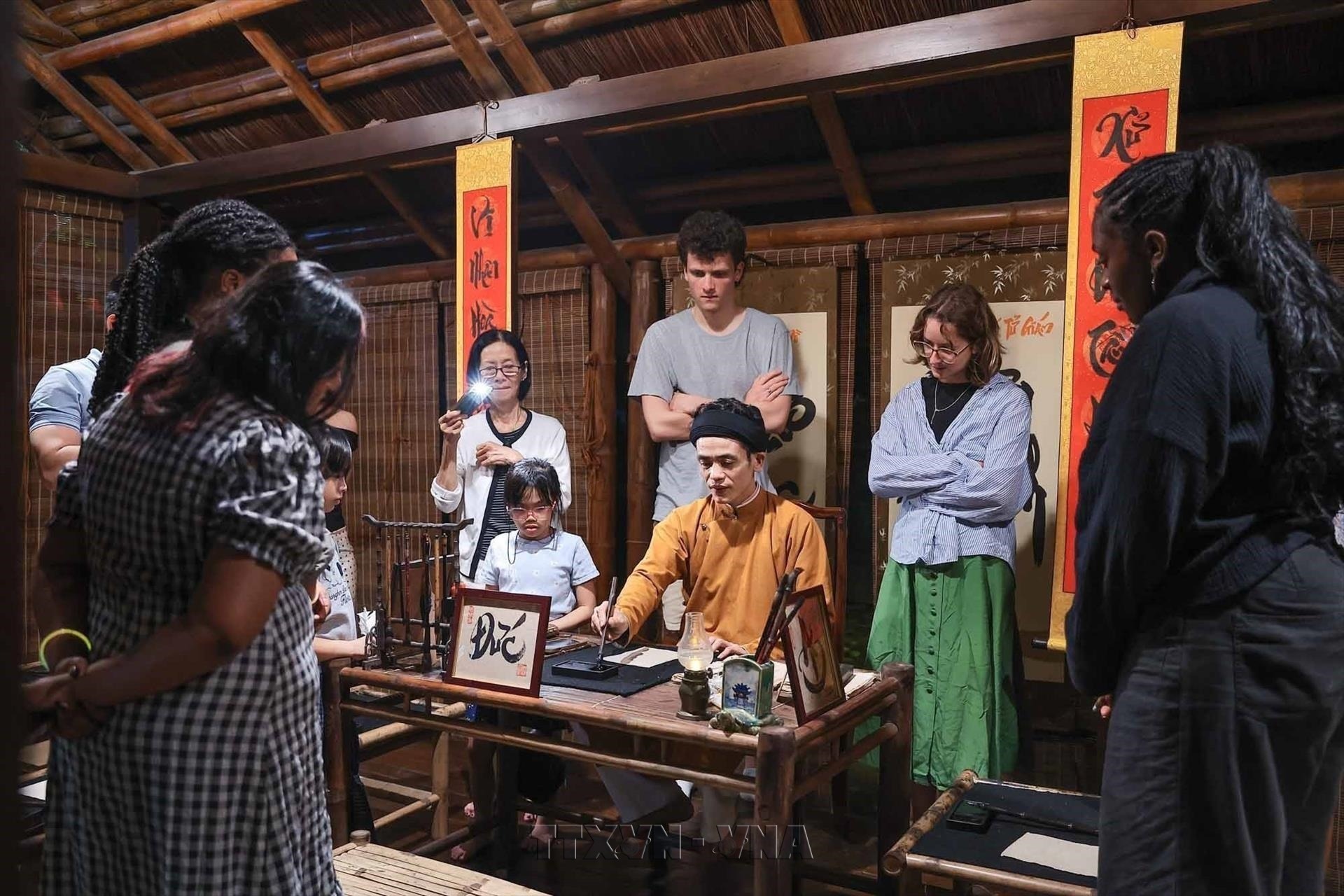
However, experts say the city must offer more than traditional sightseeing. Visitors increasingly look for experiences that allow them to take part in local culture, understand heritage and explore the everyday life of communities. Connecting historic locations with art performances, craft workshops, food experiences and creative activities could make tourism products more distinctive.
Night-time tourism and major cultural events are also expected to play a larger role. Music festivals, street art programmes and cultural performances could encourage visitors to stay longer and spend more money in the city. Better connections with neighbouring provinces may also help create travel routes that combine urban attractions with rural experiences, craft villages and natural destinations.
The plan will require investment in accommodation, transport, public spaces and tourism services. Service quality will be important because rapid growth in visitor numbers can create pressure on local infrastructure. The city will need to manage crowds, protect heritage sites and ensure that tourism development benefits local communities.
Hanoi’s targets show that the city sees tourism as a long-term economic opportunity rather than simply a visitor service. Achieving the goals will depend on planning, investment and the ability to turn cultural resources into memorable experiences. If the strategy is implemented effectively, tourism could become a stronger source of jobs, business activity and international recognition for the Vietnamese capital.
