




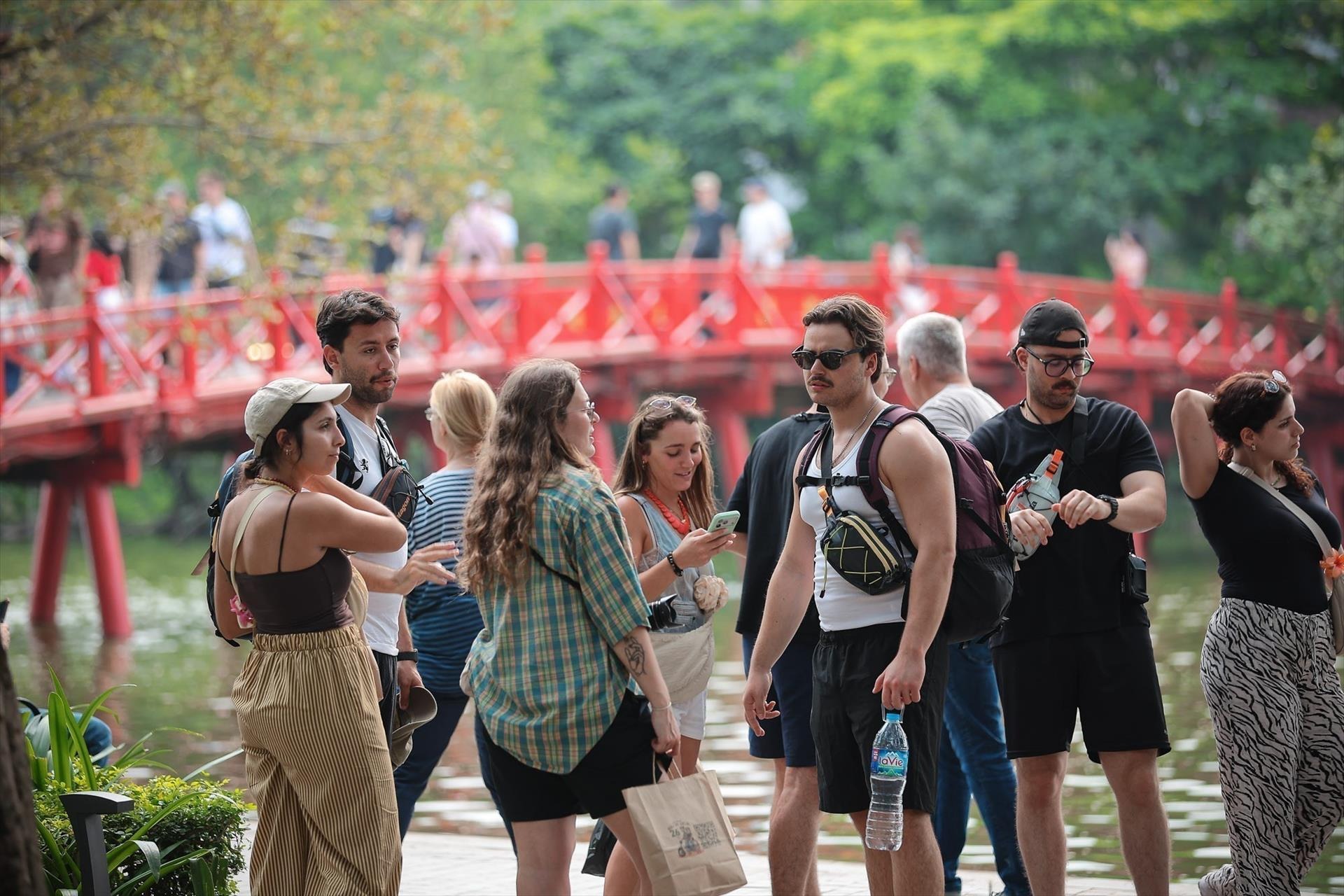
Hanoi is preparing to strengthen its position as one of Vietnam’s leading tourism destinations, with a plan to attract between 47 million and 50.5 million visitors by 2030. The strategy aims to develop the capital as a major centre for cultural tourism, heritage experiences, events and high-quality visitor services. City officials believe Hanoi can become one of the country’s main tourism growth centres alongside Ho Chi Minh City and Da Nang. The plan also seeks to improve connections with neighbouring destinations so visitors can explore a wider range of experiences during their stay.
The targets include attracting between 13 million and 15 million international visitors and between 34 million and 35.5 million domestic travellers each year by 2030. Tourism revenue is expected to reach between 295 trillion and 340 trillion Vietnamese dong, equivalent to approximately 11.43 billion to 13.17 billion US dollars. The sector is expected to contribute around 7.5 to 8 percent of the city’s gross regional domestic product. These targets show that local authorities see tourism as an important source of economic activity, employment and investment.
To support the expected growth, Hanoi plans to add at least 10,000 high-end hotel rooms in four-star and five-star accommodation. The city also wants to develop additional recognised tourism areas and improve the quality of traditional craft villages and historic communities. Officials believe that better accommodation and stronger visitor services will help the capital compete with other regional destinations. However, achieving the targets will require investment in transport, public spaces, tourism management and the protection of cultural sites.
Experts have argued that Hanoi should make greater use of its heritage rather than depend mainly on conventional sightseeing tours. Hoan Kiem Lake, the Old Quarter, the Imperial Citadel of Thang Long and the Temple of Literature could be connected with performances, craft activities, local food and interactive cultural experiences. Such products may encourage visitors to spend more time in the city and support small businesses. Night-time tourism, culinary experiences and international events are also being considered as ways to make Hanoi more attractive.
The plan highlights the importance of sustainable development. More visitors can bring new income to hotels, restaurants, transport companies and local communities, but rapid growth may also create pressure on infrastructure and historic areas. Hanoi will need to improve services while protecting the cultural character that makes the city distinctive. The success of the strategy will depend on whether its visitor targets are matched by better planning, consistent service quality and meaningful experiences for travellers.
