




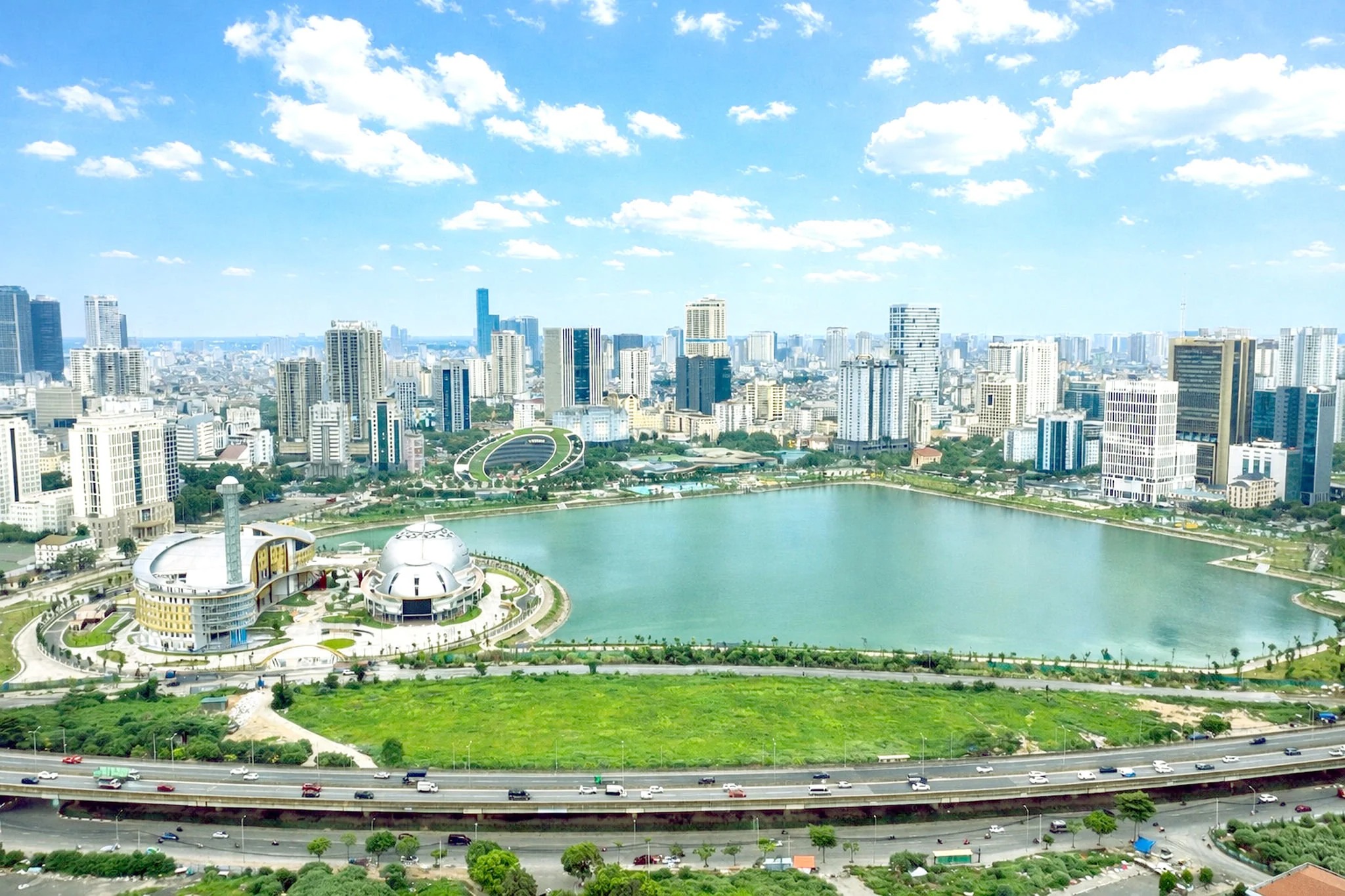
Hanoi’s People’s Council has approved 20 resolutions covering urban management, public investment, infrastructure and social welfare, while postponing two proposed measures related to metro railway development. The decisions were made during the council’s seventh meeting for the 2026–2031 term. The approved resolutions are expected to affect residents, businesses and major investment projects across the Vietnamese capital. The council said the measures are intended to improve city management, address existing problems and support development priorities.
Among the approved policies is a special mechanism to deal with long-running violations connected with 12 projects involving Muong Thanh Group. The council also backed a plan to renovate and redevelop Hoan Kiem Lake and the surrounding area. The lake is one of Hanoi’s most important public and cultural spaces, attracting residents and visitors throughout the year. Any redevelopment will therefore need to balance improvements to public facilities with the protection of the area’s historic and cultural value.
The council also supported a multi-purpose sports training and competition complex in the My Dinh area. The project has a preliminary investment estimate of more than 2.523 trillion Vietnamese dong, or around 97 million US dollars, from the local budget. It is planned for the 2026–2030 period and will include a multi-purpose arena, a training hall and accommodation for athletes. The facilities are expected to support high-performance training and the organisation of domestic and international sporting events.
Several of the new resolutions focus on social support. From the beginning of next year, Hanoi plans to provide assistance with medical costs, meals, transport and monthly allowances for eligible children with serious illnesses. Some families will receive support for the portion of medical expenses not covered by insurance, subject to a specified limit. The council also approved one-time support for certain part-time village and residential-group workers who leave their positions during administrative restructuring. Other measures include exemptions from selected civil registration fees for eligible families and residents.
Two proposed resolutions were postponed for further consideration. One concerned special mechanisms for urban railway development, while the other involved implementation of a National Assembly resolution on investment projects. The council is expected to return to these matters in early November. Meanwhile, Hanoi has set a target of achieving at least 11 percent growth in gross regional domestic product for 2026 and plans to speed up public investment. The new decisions represent a broad attempt to address the capital’s infrastructure, social and administrative priorities, although their impact will depend on how effectively they are implemented.
