




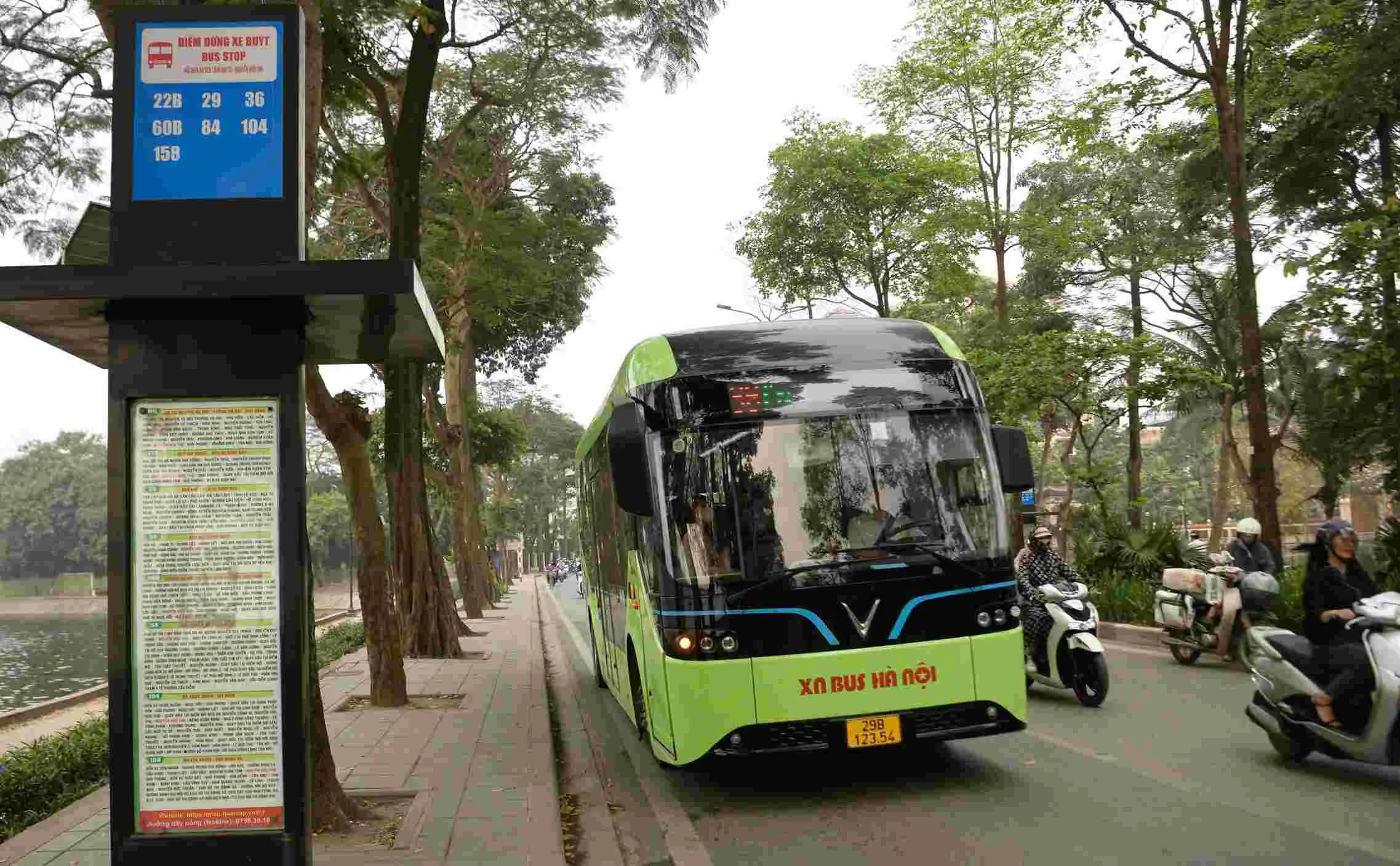
Hanoi is speeding up its transition towards electric and other clean-energy buses as the Vietnamese capital works towards making its public transport system more environmentally friendly. Nearly half of the city’s bus fleet now uses green energy, following the introduction of hundreds of new vehicles during 2026.
The transition is part of a wider plan to reduce pollution and improve the quality of public transport. Hanoi has set a target of converting its entire bus fleet to clean energy by 2030. The programme includes replacing older diesel vehicles with electric buses and other options that use less polluting energy sources.
The Hanoi Transport Corporation, known as Transerco, has recently introduced 31 electric buses on three routes. These services include route 03B, connecting Nuoc Ngam Bus Station with Giang Bien in Long Bien; route 28, linking Nuoc Ngam with Dong Ngac and the University of Mining and Geology; and route 100, connecting Long Bien with Dang Xa in Gia Lam.
Replacing diesel buses with electric vehicles can help reduce emissions from daily public transport operations. Electric buses also produce less noise while travelling, which can improve the experience for passengers and people living near busy roads. The shift is especially important in a large city where traffic congestion and vehicle emissions contribute to air pollution.
The expansion of electric buses is also expected to encourage more residents to use public transport. A reliable bus network can reduce the need for private cars and motorbikes, helping to ease congestion and lower the number of vehicles on the road. However, the success of the plan will depend on service quality, route coverage and the ability to maintain regular schedules.
Transport companies are also focusing on improving the experience inside buses. Hanoi’s transport authorities have highlighted the importance of training drivers and service staff, maintaining vehicles and making routes more convenient for passengers. A cleaner fleet alone may not be enough to attract new users if services remain unreliable or difficult to access.
The transition requires investment in more than vehicles. Electric buses need charging facilities, maintenance systems and a reliable supply of electricity. Transport operators must also plan how to manage batteries, replace equipment and keep buses available throughout the day. These requirements make coordination between city authorities, electricity providers and transport companies important.
The growth of green buses is connected to Vietnam’s wider environmental goals. Cities are under pressure to reduce air pollution as populations grow and demand for transport increases. Cleaner public transport can support urban development while helping to reduce emissions from road traffic.
Hanoi’s progress towards a fleet that is nearly 50 percent green shows that the transition is already changing the city’s transport network. The next challenge will be to expand the programme quickly enough to meet the 2030 target while keeping services affordable and dependable.
If the plan succeeds, residents could benefit from cleaner air, quieter buses and a more modern public transport system. The programme may also provide a model for other Vietnamese cities seeking to reduce pollution and improve urban mobility.
